Phineas Fletcher – författare
516 kr
Skickas inom 7-10 vardagar
416 kr
Skickas inom 5-8 vardagar
262 kr
Skickas inom 5-8 vardagar
416 kr
Skickas inom 5-8 vardagar
400 kr
Skickas inom 5-8 vardagar
262 kr
Skickas inom 5-8 vardagar
231 kr
Skickas inom 5-8 vardagar
419 kr
Skickas inom 5-8 vardagar
262 kr
Skickas inom 5-8 vardagar
510 kr
Skickas inom 5-8 vardagar
340 kr
Skickas inom 5-8 vardagar
36 kr
Läs direkt efter köp
James Shirley was born in London in September 1596. His education was through a collection of England’s finest establishments: Merchant Taylors'' School, London, St John''s College, Oxford, and St Catharine''s College, Cambridge, where he took his B.A. degree in approximately 1618. He first published in 1618, a poem entitled Echo, or the Unfortunate Lovers. As with many artists of this period full details of his life and career are not recorded. Sources say that after graduating he became "a minister of God''s word in or near St Albans." A conversion to the Catholic faith enabled him to become master of St Albans School from 1623–25. He wrote his first play, Love Tricks, or the School of Complement, which was licensed on February 10th, 1625. From the given date it would seem he wrote this whilst at St Albans but, after its production, he moved to London and to live in Gray’s Inn. For the next two decades, he would write prolifically and with great quality, across a spectrum of thirty plays; through tragedies and comedies to tragicomedies as well as several books of poetry. Unfortunately, his talents were left to wither when Parliament passed the Puritan edict in 1642, forbidding all stage plays and closing the theatres. Most of his early plays were performed by Queen Henrietta''s Men, the acting company for which Shirley was engaged as house dramatist. Shirley''s sympathies lay with the King in battles with Parliament and he received marks of special favor from the Queen. He made a bitter attack on William Prynne, who had attacked the stage in Histriomastix, and, when in 1634 a special masque was presented at Whitehall by the gentlemen of the Inns of Court as a practical reply to Prynne, Shirley wrote the text—The Triumph of Peace. Shirley spent the years 1636 to 1640 in Ireland, under the patronage of the Earl of Kildare. Several of his plays were produced by his friend John Ogilby in Dublin in the first ever constructed Irish theatre; The Werburgh Street Theatre. During his years in Dublin he wrote The Doubtful Heir, The Royal Master, The Constant Maid, and St. Patrick for Ireland. In his absence from London, Queen Henrietta''s Men sold off a dozen of his plays to the stationers, who naturally, enough published them. When Shirley returned to London in 1640, he finished with the Queen Henrietta''s company and his final plays in London were acted by the King''s Men. On the outbreak of the English Civil War Shirley served with the Earl of Newcastle. However when the King''s fortunes began to decline he returned to London. There his friend Thomas Stanley gave him help and thereafter Shirley supported himself in the main by teaching and publishing some educational works under the Commonwealth. In addition to these he published during the period of dramatic eclipse four small volumes of poems and plays, in 1646, 1653, 1655, and 1659. It is said that he was “a drudge” for John Ogilby in his translations of Homer’s Iliad and the Odyssey, and survived into the reign of Charles II, but, though some of his comedies were revived, his days as a playwright were over. His death, at age seventy, along with that of his wife, in 1666, is described as one of fright and exposure due to the Great Fire of London which had raged through parts of London from September 2nd to the 5th. He was buried at St Giles in the Fields, in London, on October 29th, 1666.
36 kr
Läs direkt efter köp
James Shirley was born in London in September 1596. His education was through a collection of England’s finest establishments: Merchant Taylors'' School, London, St John''s College, Oxford, and St Catharine''s College, Cambridge, where he took his B.A. degree in approximately 1618. He first published in 1618, a poem entitled Echo, or the Unfortunate Lovers. As with many artists of this period full details of his life and career are not recorded. Sources say that after graduating he became "a minister of God''s word in or near St Albans." A conversion to the Catholic faith enabled him to become master of St Albans School from 1623–25. He wrote his first play, Love Tricks, or the School of Complement, which was licensed on February 10th, 1625. From the given date it would seem he wrote this whilst at St Albans but, after its production, he moved to London and to live in Gray’s Inn. For the next two decades, he would write prolifically and with great quality, across a spectrum of thirty plays; through tragedies and comedies to tragicomedies as well as several books of poetry. Unfortunately, his talents were left to wither when Parliament passed the Puritan edict in 1642, forbidding all stage plays and closing the theatres. Most of his early plays were performed by Queen Henrietta''s Men, the acting company for which Shirley was engaged as house dramatist. Shirley''s sympathies lay with the King in battles with Parliament and he received marks of special favor from the Queen. He made a bitter attack on William Prynne, who had attacked the stage in Histriomastix, and, when in 1634 a special masque was presented at Whitehall by the gentlemen of the Inns of Court as a practical reply to Prynne, Shirley wrote the text—The Triumph of Peace. Shirley spent the years 1636 to 1640 in Ireland, under the patronage of the Earl of Kildare. Several of his plays were produced by his friend John Ogilby in Dublin in the first ever constructed Irish theatre; The Werburgh Street Theatre. During his years in Dublin he wrote The Doubtful Heir, The Royal Master, The Constant Maid, and St. Patrick for Ireland. In his absence from London, Queen Henrietta''s Men sold off a dozen of his plays to the stationers, who naturally, enough published them. When Shirley returned to London in 1640, he finished with the Queen Henrietta''s company and his final plays in London were acted by the King''s Men. On the outbreak of the English Civil War Shirley served with the Earl of Newcastle. However when the King''s fortunes began to decline he returned to London. There his friend Thomas Stanley gave him help and thereafter Shirley supported himself in the main by teaching and publishing some educational works under the Commonwealth. In addition to these he published during the period of dramatic eclipse four small volumes of poems and plays, in 1646, 1653, 1655, and 1659. It is said that he was “a drudge” for John Ogilby in his translations of Homer’s Iliad and the Odyssey, and survived into the reign of Charles II, but, though some of his comedies were revived, his days as a playwright were over. His death, at age seventy, along with that of his wife, in 1666, is described as one of fright and exposure due to the Great Fire of London which had raged through parts of London from September 2nd to the 5th. He was buried at St Giles in the Fields, in London, on October 29th, 1666.
23 kr
Läs direkt efter köp
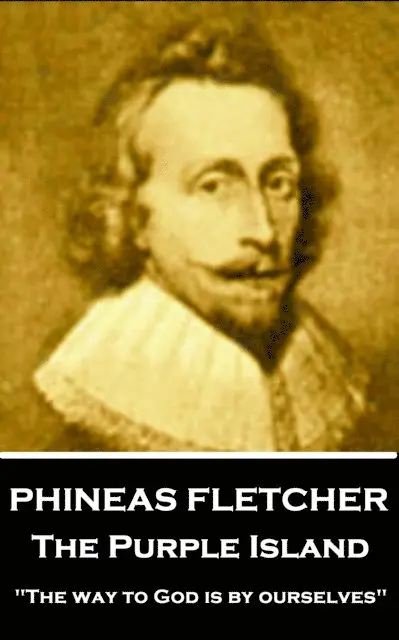
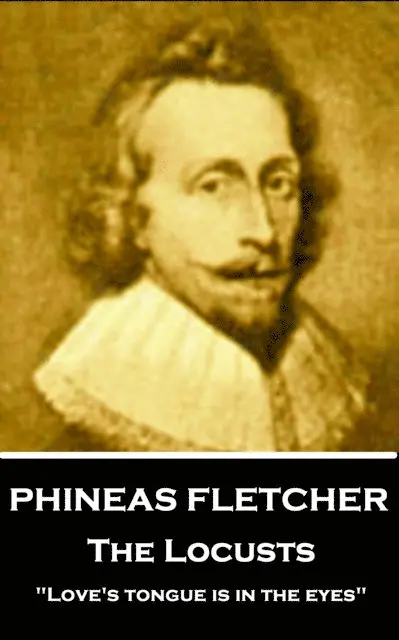
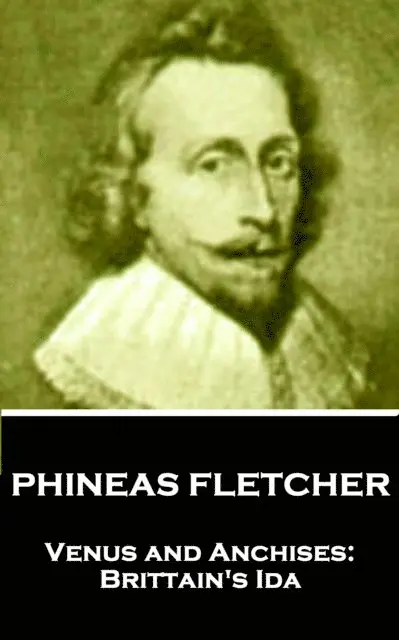
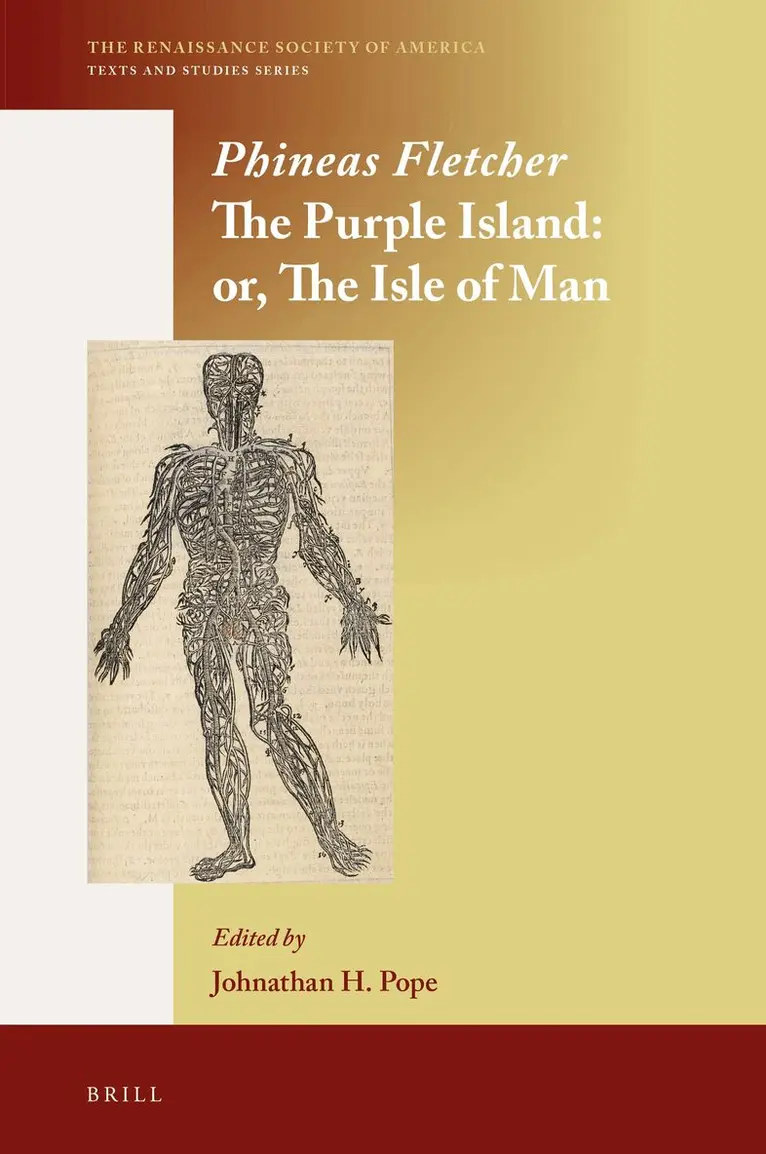
Phineas Fletcher was a prolific English poet who was born on 8th April, 1582, the eldest son to Dr Giles Fletcher in Cranbrook, Kent who also sired another poet, his namesake, Giles. Phineas was educated at Eton and from there went to University at King’s College, Cambridge from where he graduated with a B.A. in 1604, and M.A. in 1608. After his ordination as a priest he became chaplain to Sir Henry Willoughby who was instrumental in securing him the rectory in Hilgay, Norfolk in 1621. He retained this position and together with his wife, Elizabeth Vincent, remained there until his death. Fletcher wrote an immense amount of poetry across a wide range of subjects. The two for which he garnered most admiration were Locustae, vel Pietas Jesuitica (The Locusts or Apollyonists) published in 1627 and Purple Island, also called the Isle of Man, in 1633. The Locusts is essentially a furious poetical attack on the Jesuits. A brief epic, the English version was originally written around 1612 and was finally published with its Latin sibling in 1627. It was dedicated to Prince Henry, the great hope of the militant Protestant faction. The Purple Island or, the Isle of Man, is an allegory in twelve cantos that describe the human body in terms of it being an island. The bones are the foundation or mountains; the veins and arteries, rivers; the heart, liver, stomach, etc., goodly cities; the mouth, a cave; the teeth are “twice sixteen porters, receivers of the customary rent”; the tongue, “a groom who delivers all unto neare officers.” The liver is the arch-city, where two purple streams (two great rivers of blood) “raise their boil-heads.” The eyes are watch-towers; the sight, the warder. Taste and the tongue are man and wife. The island’s prince is the intellect; the five senses are his counselors. Disease and vice are his mortal foes, with whom he wages war. The virtues are his allies. Fletcher undoubtedly had a great understanding of anatomy and shares much of it in the minutest poetical detail. Many have noted that its flowing style alludes to Edmund Spenser and it is suggested to have been an influence on John Milton. Phineas Fletcher died at his rectory in Hilgay on the 13th December, 1650 at the age of 68.
462 kr
Skickas inom 5-8 vardagar
537 kr
Skickas inom 5-8 vardagar
435 kr
Skickas inom 5-8 vardagar
449 kr
Skickas inom 5-8 vardagar
Purple Island
Or: The Isle of Man
2 250 kr
Skickas inom 5-8 vardagar
477 kr
Tillfälligt slut
339 kr
Tillfälligt slut
431 kr
Tillfälligt slut
293 kr
Tillfälligt slut