
Pinaki Acharyya: & S. R. Meena, Dhurendra Singh, P. N. Sivalingam – författare
Visar alla böcker från författaren Pinaki Acharyya: & S. R. Meena, Dhurendra Singh, P. N. Sivalingam. Handla med fri frakt och snabb leverans.
2 produkter
2 produkter
1 312 kr
Skickas inom 7-10 vardagar
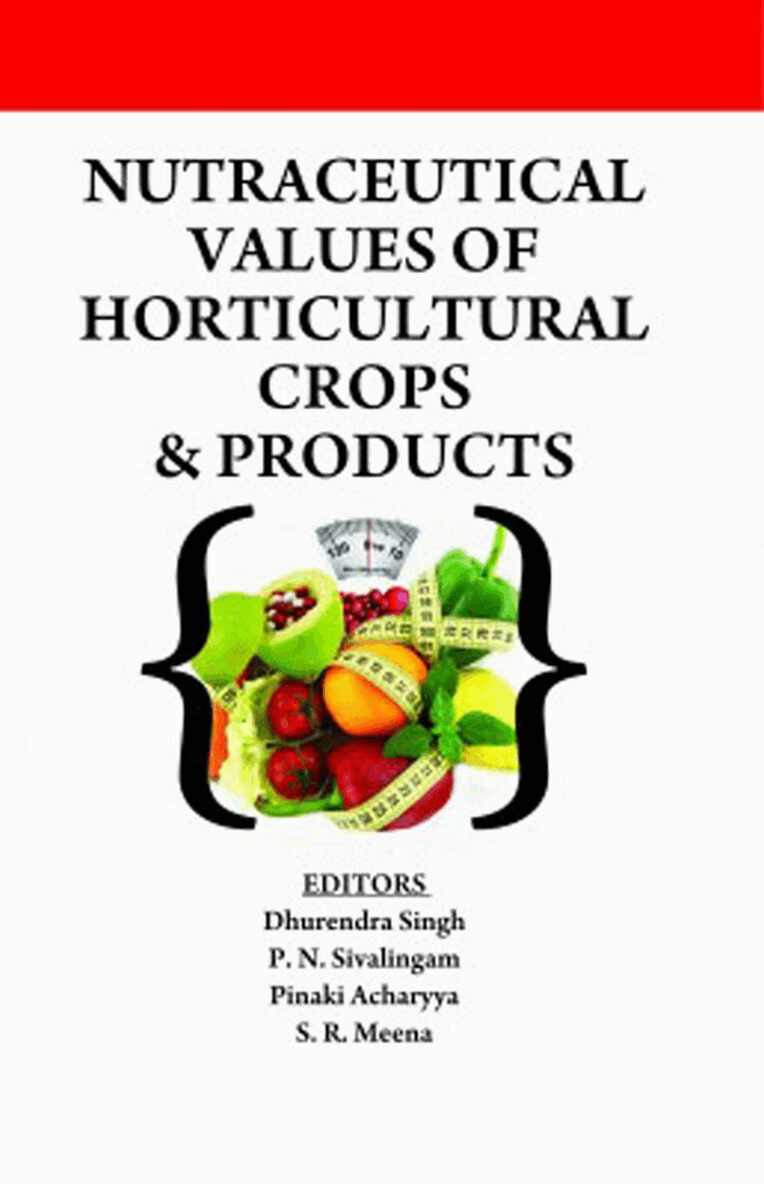
The motivation to conduct further research in the field of plant-based diets and their potential to address public health issues has been driven by the growing interest of government, industry, and research institutes. Marker Assisted Selection has emerged as a promising approach in plant breeding, as it holds the potential to expedite the development of crop varieties with desirable characteristics. Significant progress has been made in mapping and tagging numerous genes that are important for horticultural purposes using morphological, biochemical, and molecular markers. This foundation serves as the basis for marker-assisted selection in crops. These methods offer great potential for improving the efficiency of conventional plant breeding by selecting on molecular markers linked to traits of interest rather than directly on the trait itself. Plant cell and callus culture systems have emerged as a promising area of bio-processing and production of useful metabolites with nutraceutical importance. These methods have been advanced through the use of bioreactor technology. Research and development are critical to the rapidly evolving field of functional foods and nutraceuticals. Producers are seeking new opportunities to increase farm income, processors are looking for value-added food products, health ingredients, and new uses for agricultural production, by-products, and new products for new and existing markets. Consumers worldwide are seeking increased assurance of the safety and quality of the food system and enhanced environmental performance of the agriculture and agri-food sector. Provinces and communities are seeking economic development opportunities in the field of horticulture. This book will be an invaluable resource for better understanding the utilization of crop diversity, underutilized crops, and their residues, as well as the improvement of post-harvest technology and the development of new functional foods with greater use of bioactive compounds and other quality traits.
2 617 kr
Skickas inom 7-10 vardagar
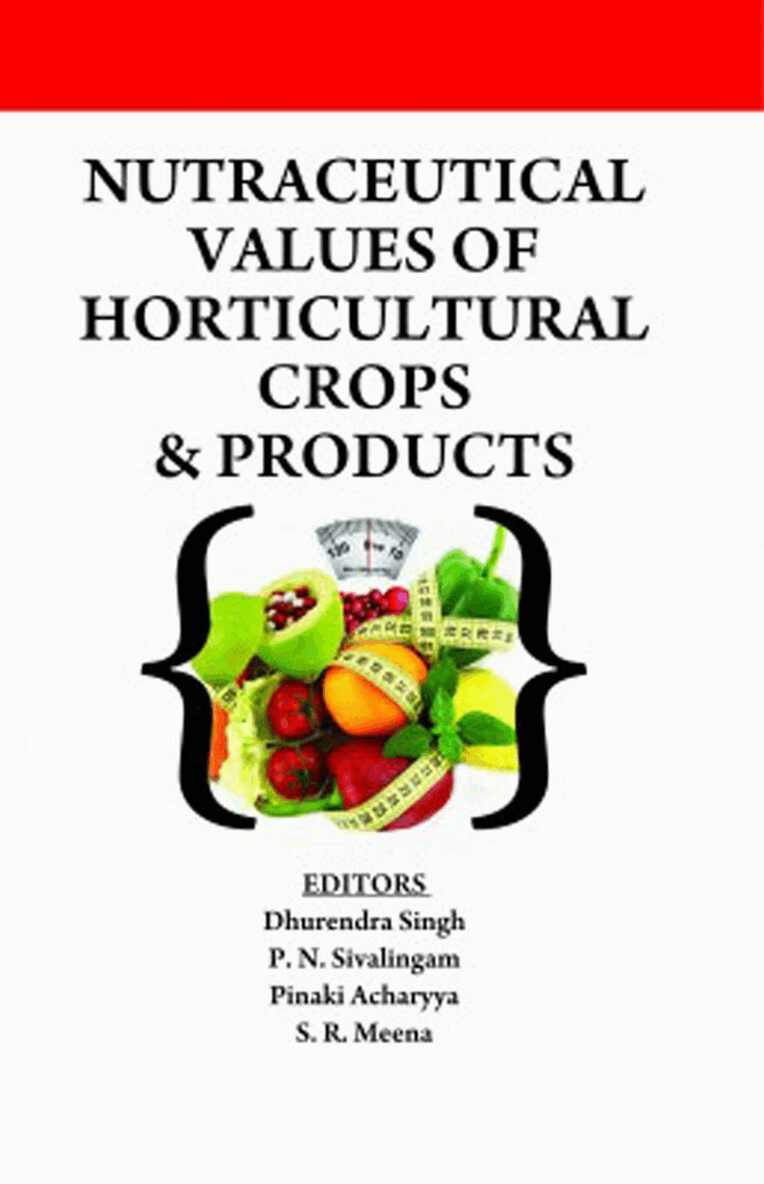
The motivation to conduct further research on the potential of plants to address public health issues and consumer demands has arisen from the efforts of government, industry, and research institutes. This is due to the promise of Marker Assisted Selection to expedite the development of crop varieties with desirable traits. Progress has been made in mapping and tagging many horticulturally important genes with morphological, biochemical, and molecular markers, which form the foundation for marker assisted selection in crops. These methods offer great potential for improving the efficiency of conventional plant breeding by allowing selection to be carried out on molecular markers linked to the trait of interest rather than the trait itself. The potential of plant cell and callus culture systems as a bio processing and production method for useful metabolites of nutraceutical importance has been advanced through bioreactor technology.The rapidly developing field of functional foods and nutraceuticals requires research and development to meet the needs of producers, processors, and consumers. Producers seek new opportunities to increase farm income, while processors seek value-added food products, health ingredients, and new uses for agricultural production, by-products, and new products for new and existing markets. Consumers worldwide want increased assurance of the safety and quality of the food system and enhanced environmental performance of the agriculture and agri-food sector. Provinces and communities are seeking economic development opportunities for horticulture. This book will be useful in better understanding, utilization of crop diversity, underutilized crops, and their residues, as well as improvement in post-harvest technology and development of new functional foods with greater use of bioactive compounds and other quality traits.