Polyxeni Moira – författare
Visar alla böcker från författaren Polyxeni Moira. Handla med fri frakt och snabb leverans.
6 produkter
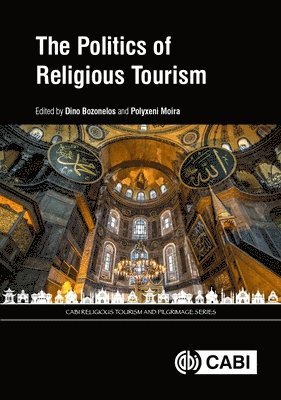
Politics of Religious Tourism
Av Dino Bozonelos, Polyxeni Moira
Inbunden, 2023
1429 kr
Lägg i varukorg
Addressing a dearth of literature in this area, this book provides a comprehensive overview and framework of study of the politics of religious tourism. Existing work shows awareness that politics is present but the approach has been one of benign neglect, and/or a priori assumptions about the role …
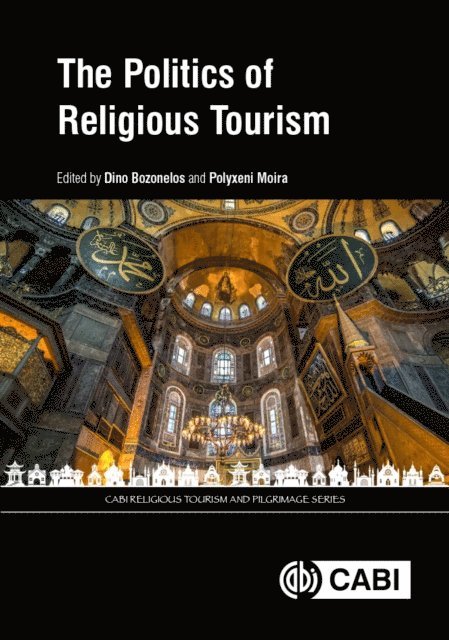
Politics of Religious Tourism
Av Dino Bozonelos, Polyxeni Moira
E-bok, 2023
1524 kr
Lägg i varukorg
Addressing a dearth of literature in this area, this book provides a comprehensive overview and framework of study of the politics of religious tourism. Existing work shows awareness that politics is present but the approach has been one of benign neglect, and/or a priori assumptions about the role …
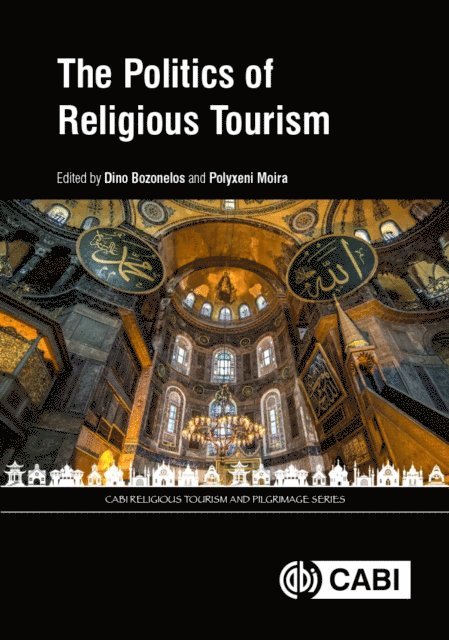
Politics of Religious Tourism
Av Dino Bozonelos, Polyxeni Moira
E-bok, 2023
1491 kr
Lägg i varukorg
Addressing a dearth of literature in this area, this book provides a comprehensive overview and framework of study of the politics of religious tourism. Existing work shows awareness that politics is present but the approach has been one of benign neglect, and/or a priori assumptions about the role …
Cemetery Tourism
Exploring the Sacred Landscape of Graves
Av Darius Liutikas, Razaq Raj m. fl.
Inbunden, 2026
2035 kr
Lägg i varukorg
Cemetery tourism is an emerging trend linked to religious tourism, dark tourism, cultural tourism and recreational tourism. An analysis of cemeteries reveals that they embody both sacred and profane elements. Religious traditions often regard cemeteries as sacred or highly esteemed sites. …
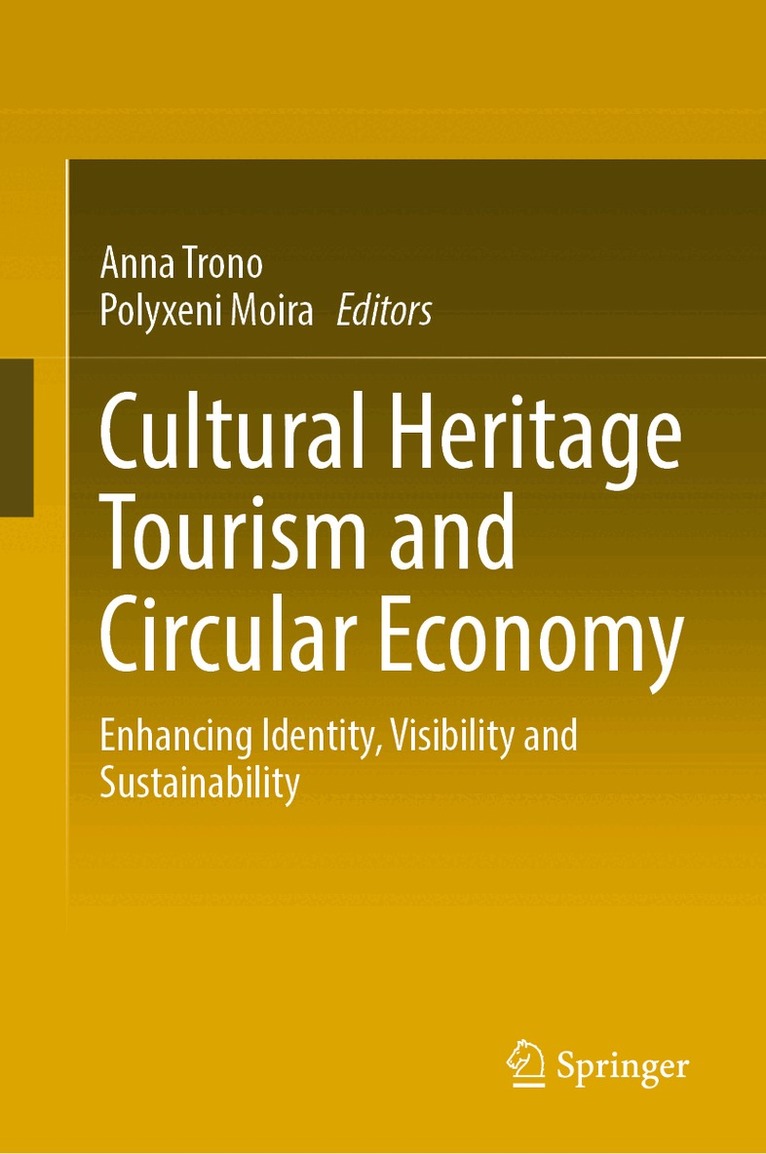
Cultural Heritage Tourism and Circular Economy
Enhancing Identity, Visibility and Sustainability
Inbunden, 2026
2185 kr
Lägg i varukorg
Recent trends in tourism have seen a decline in the traditional mass-consumption model, accompanied by a rise in a more segmented tourism to which local communities must adapt. The tourist is increasingly interested in the region as a source of material culture and nature and demands tailor-made …
Cultural Heritage Tourism and Circular Economy
Enhancing Identity, Visibility and Sustainability
E-bok, 2026
2833 kr
Lägg i varukorg
Recent trends in tourism have seen a decline in the traditional mass-consumption model, accompanied by a rise in a more segmented tourism to which local communities must adapt. The tourist is increasingly interested in the region as a source of material culture and nature and demands tailor-made …