Prem Shankar Jha – författare
Visar alla böcker från författaren Prem Shankar Jha. Handla med fri frakt och snabb leverans.
12 produkter
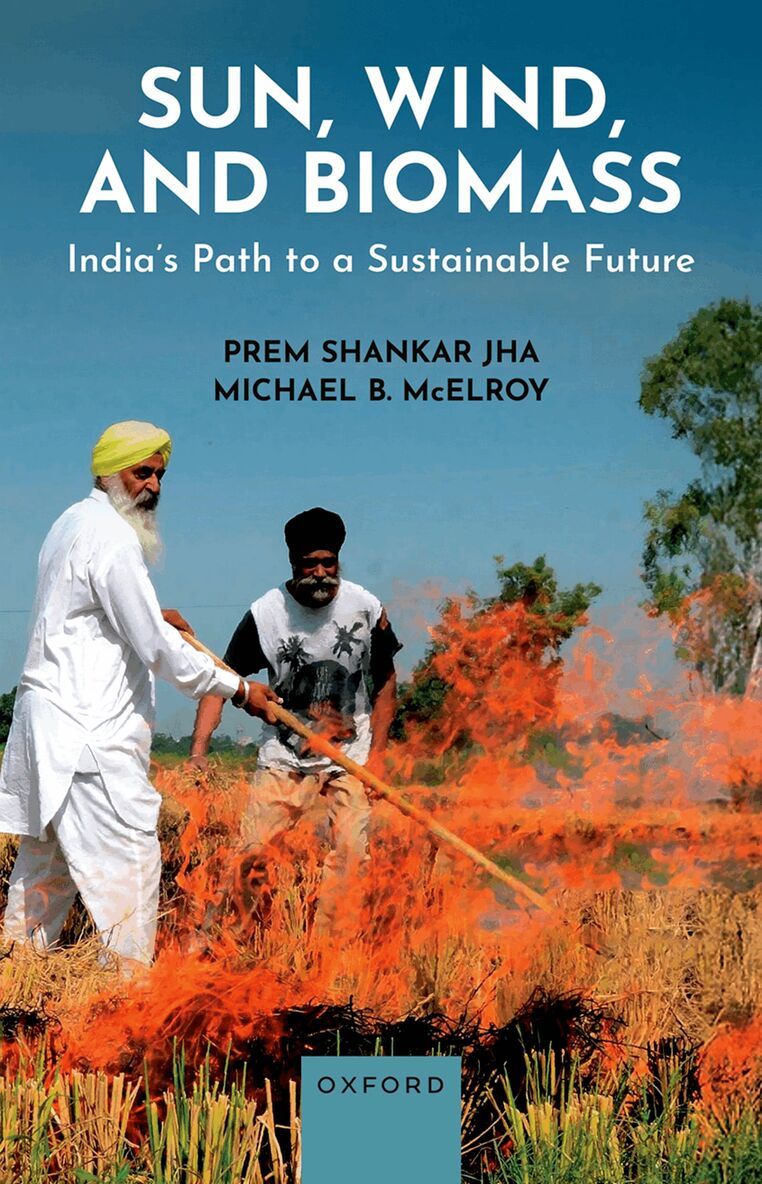
Sun, Wind, and Biomass
India's Path to a Sustainable Future
Av Prem Shankar Jha, Michael B. McElroy
Inbunden, 2025
1461 kr
Lägg i varukorg
Sun, Wind, and Biomass: India's Path to a Sustainable Future examines the current state of the Indian economy, tracing its trajectory towards a fossil fuel-free energy future. It posits that harnessing sun, wind, and biomass can provide a sustainable economic alternative to polluting energy sources …
Sun, Wind, and Biomass
India's Path to a Sustainable Future
Av Michael B. McElroy, Prem Shankar Jha
E-bok, 2025
1303 kr
Lägg i varukorg
Sun, Wind, and Biomass: India''s Path to a Sustainable Future examines the current state of the Indian economy, tracing its trajectory towards a fossil fuel-free energy future. It posits that harnessing sun, wind, and biomass can provide a sustainable economic alternative to polluting energy …
Sun, Wind, and Biomass
India's Path to a Sustainable Future
Av Michael B. McElroy, Prem Shankar Jha
E-bok, 2025
1303 kr
Lägg i varukorg
Sun, Wind, and Biomass: India''s Path to a Sustainable Future examines the current state of the Indian economy, tracing its trajectory towards a fossil fuel-free energy future. It posits that harnessing sun, wind, and biomass can provide a sustainable economic alternative to polluting energy …
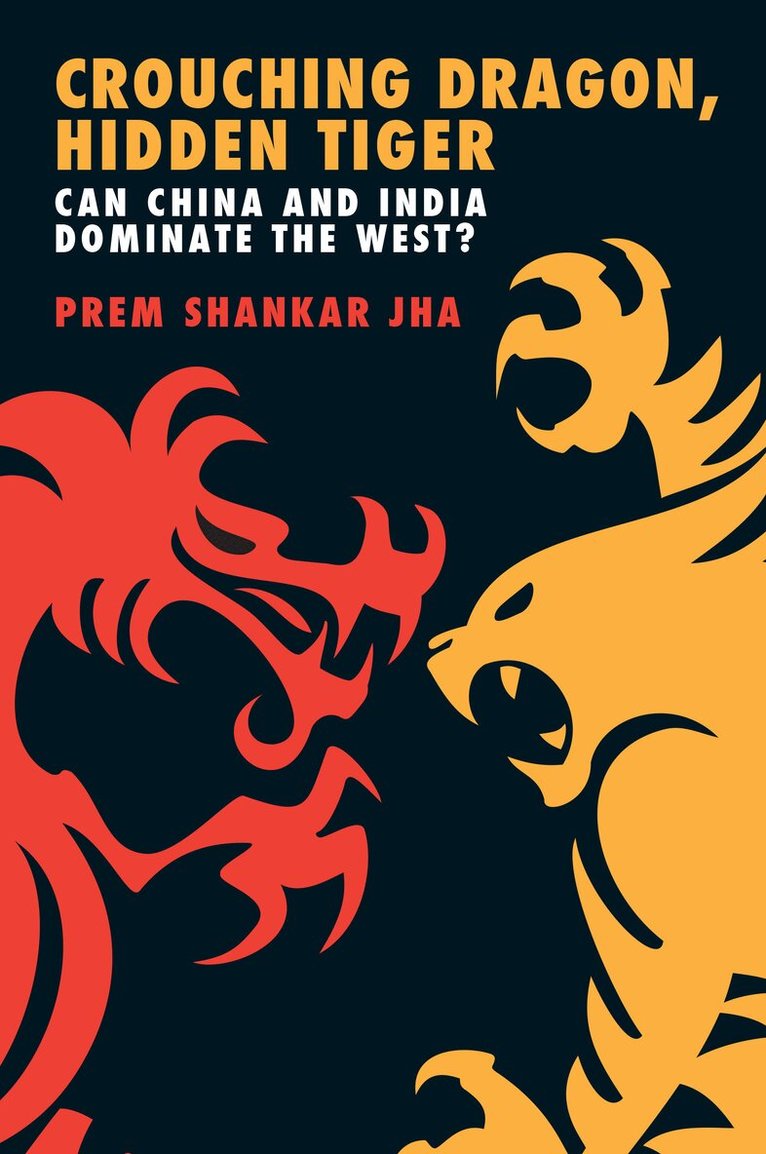
Crouching Dragon, Hidden Tiger
Can China and India Dominate the West?
Häftad, 2009
266 kr
Lägg i varukorg
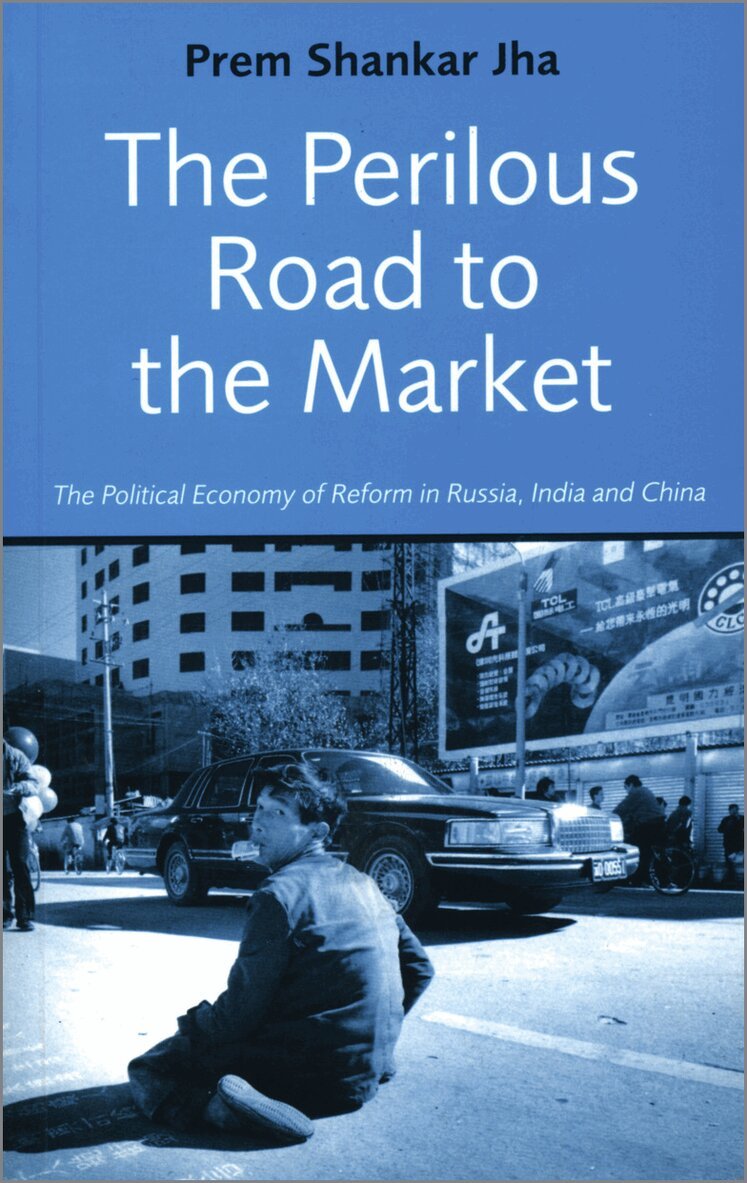
Perilous Road to the Market
The Political Economy of Reform in Russia, India and China
Häftad, 2002
368 kr
Tillfälligt slut
This book examines the economic transformation of three of the largest countries in the world - Russia, China and India. Prem Shankar Jha traces the problems that each country has faced and argues that the process of economic transformation is highly unpredictable as its success depends upon the …
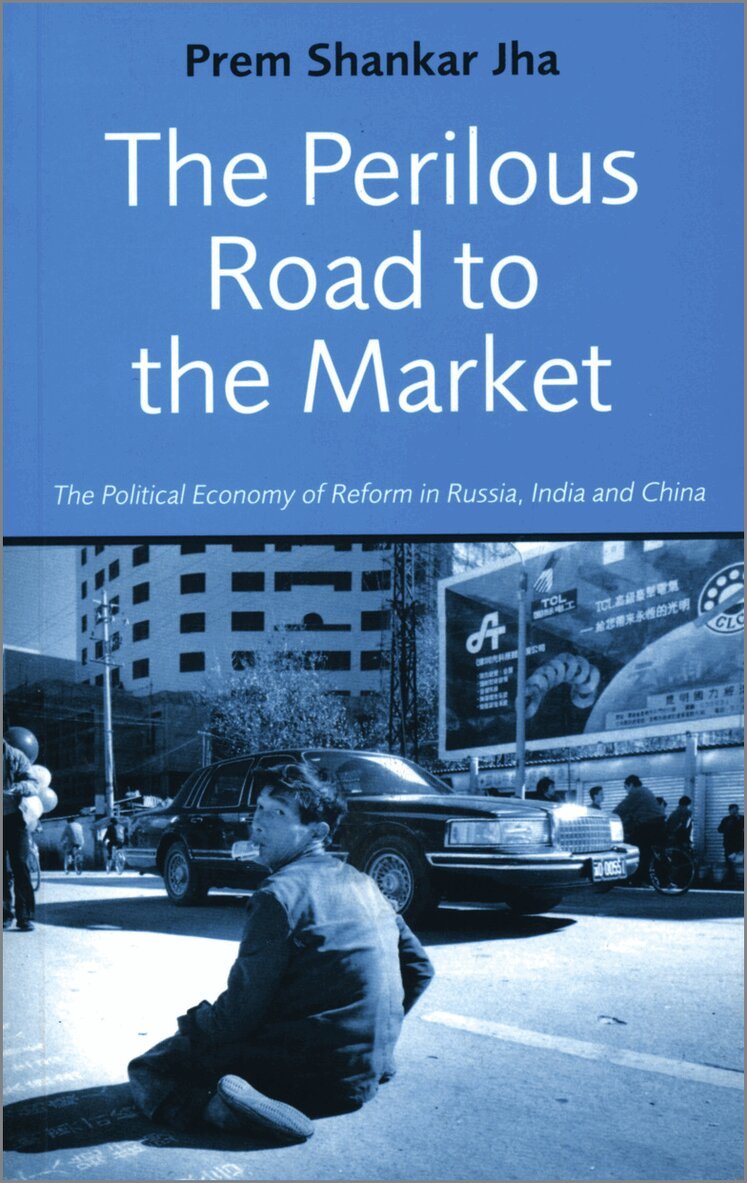
Perilous Road to the Market
The Political Economy of Reform in Russia, India and China
Inbunden, 2002
972 kr
Tillfälligt slut
This book examines the economic transformation of three of the largest countries in the world - Russia, China and India. Prem Shankar Jha traces the problems that each country has faced and argues that the process of economic transformation is highly unpredictable as its success depends upon the …
Origins of a Dispute
Kashmir 1947
Häftad, 2003
301 kr
Tillfälligt slut
Kashmir is one of the most intensely disputed regions of the world. It was acceded to India by the British when they left in 1947; however, with a majority Muslim population, many Kashmiris and Pakistanis felt that it should have become a part of Pakistan. To this day, it continues to be the …
Origins of a Dispute
Kashmir 1947
Inbunden, 2003
972 kr
Tillfälligt slut
Kashmir is one of the most intensely disputed regions of the world. It was acceded to India by the British when they left in 1947; however, with a majority Muslim population, many Kashmiris and Pakistanis felt that it should have become a part of Pakistan. To this day, it continues to be the …
Dawn of the Solar Age
An End to Global Warming and to Fear
Häftad, 2017
284 kr
Tillfälligt slut
Our planet is growing hotter, which is mainly due to the burning of fossil fuels. Yet, most of us remain chained to the belief that there is no alternative source of energy sufficiently plentiful and cheap. Dawn of the Solar Age provides a blueprint for shifting the energy base of human …