R. B. Rosenburg – författare
Visar alla böcker från författaren R. B. Rosenburg. Handla med fri frakt och snabb leverans.
9 produkter
9 produkter
Häftad, Engelska, 2001
608 kr
Skickas inom 10-15 vardagar
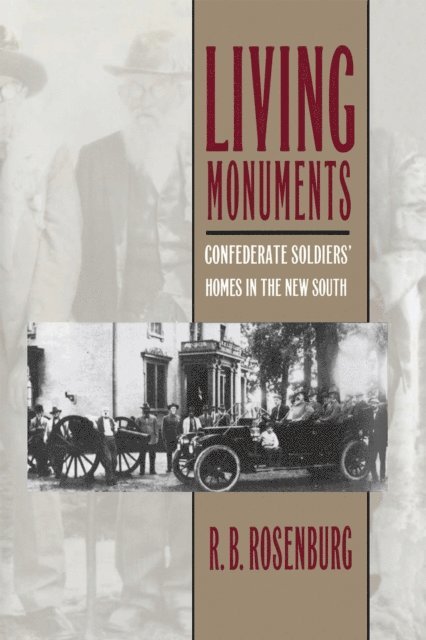
While battlefield parks and memorials erected in town squares and cemeteries have served to commemorate southern valor in the Civil War, Confederate soldiers' homes were actually 'living monuments' to the Lost Cause, housing the very men who made that cause their own. R. B. Rosenburg provides the first account of the establishment and operation of these homes for disabled and indigent southern veterans, which had their heyday between the 1880s and the 1920s. These institutions were commonly perceived as dignified retreats, where veterans who had seen better days could find peace, quiet, comfort, and happiness. But as Rosenburg shows, the harsher reality often included strict disciplinary tactics to maintain order and the treatment of indigent residents as wards and inmates rather than honored veterans. Many men chafed under the rigidly paternalistic administrative control and resented being told by their 'betters' how to behave. Rosenburg makes clear the idealism and sense of social responsibility that motivated the homes' founders and administrators, while also showing that from the outset the homes were enmeshed in political self-interest and the exploitation of the Confederate heritage.
E-bok
Engelska, 2000520 kr
Läs direkt efter köp
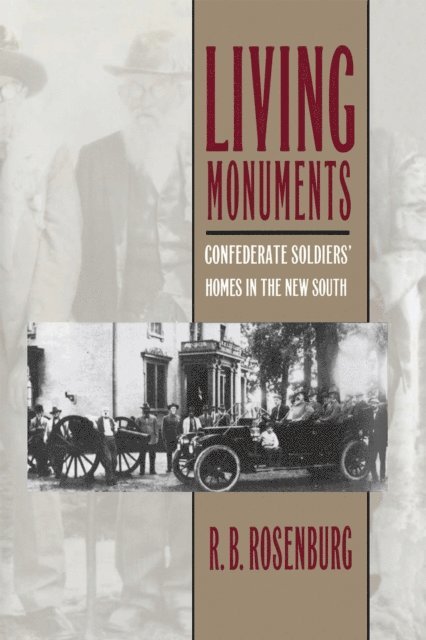
While battlefield parks and memorials erected in town squares and cemeteries have served to commemorate southern valor in the Civil War, Confederate soldiers'' homes were actually ''living monuments'' to the Lost Cause, housing the very men who made that cause their own. R. B. Rosenburg provides the first account of the establishment and operation of these homes for disabled and indigent southern veterans, which had their heyday between the 1880s and the 1920s. These institutions were commonly perceived as dignified retreats, where veterans who had seen better days could find peace, quiet, comfort, and happiness. But as Rosenburg shows, the harsher reality often included strict disciplinary tactics to maintain order and the treatment of indigent residents as wards and inmates rather than honored veterans. Many men chafed under the rigidly paternalistic administrative control and resented being told by their ''betters'' how to behave. Rosenburg makes clear the idealism and sense of social responsibility that motivated the homes'' founders and administrators, while also showing that from the outset the homes were enmeshed in political self-interest and the exploitation of the Confederate heritage.
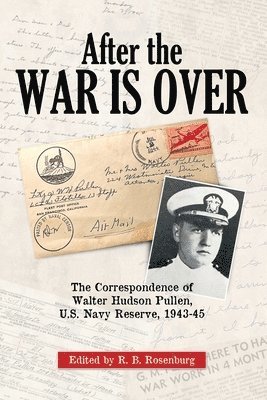
Häftad, Engelska, 2024
429 kr
Skickas inom 5-8 vardagar
Inbunden, Engelska, 2024
585 kr
Skickas inom 5-8 vardagar
Häftad, Engelska, 2024
841 kr
Skickas inom 5-8 vardagar
Inbunden, Engelska, 2024
1 006 kr
Skickas inom 5-8 vardagar
Häftad, Engelska, 2025
1 027 kr
Skickas inom 5-8 vardagar
Inbunden, Engelska, 2025
1 102 kr
Skickas inom 5-8 vardagar
E-bok
PDF, Engelska, 2000520 kr
Läs direkt efter köp
While battlefield parks and memorials erected in town squares and cemeteries have served to commemorate southern valor in the Civil War, Confederate soldiers'' homes were actually ''living monuments'' to the Lost Cause, housing the very men who made that cause their own. R. B. Rosenburg provides the first account of the establishment and operation of these homes for disabled and indigent southern veterans, which had their heyday between the 1880s and the 1920s. These institutions were commonly perceived as dignified retreats, where veterans who had seen better days could find peace, quiet, comfort, and happiness. But as Rosenburg shows, the harsher reality often included strict disciplinary tactics to maintain order and the treatment of indigent residents as wards and inmates rather than honored veterans. Many men chafed under the rigidly paternalistic administrative control and resented being told by their ''betters'' how to behave. Rosenburg makes clear the idealism and sense of social responsibility that motivated the homes'' founders and administrators, while also showing that from the outset the homes were enmeshed in political self-interest and the exploitation of the Confederate heritage.