R. P. Gupta – författare
Visar alla böcker från författaren R. P. Gupta. Handla med fri frakt och snabb leverans.
6 produkter
6 produkter
Häftad, Engelska, 2007
496 kr
Skickas inom 5-8 vardagar
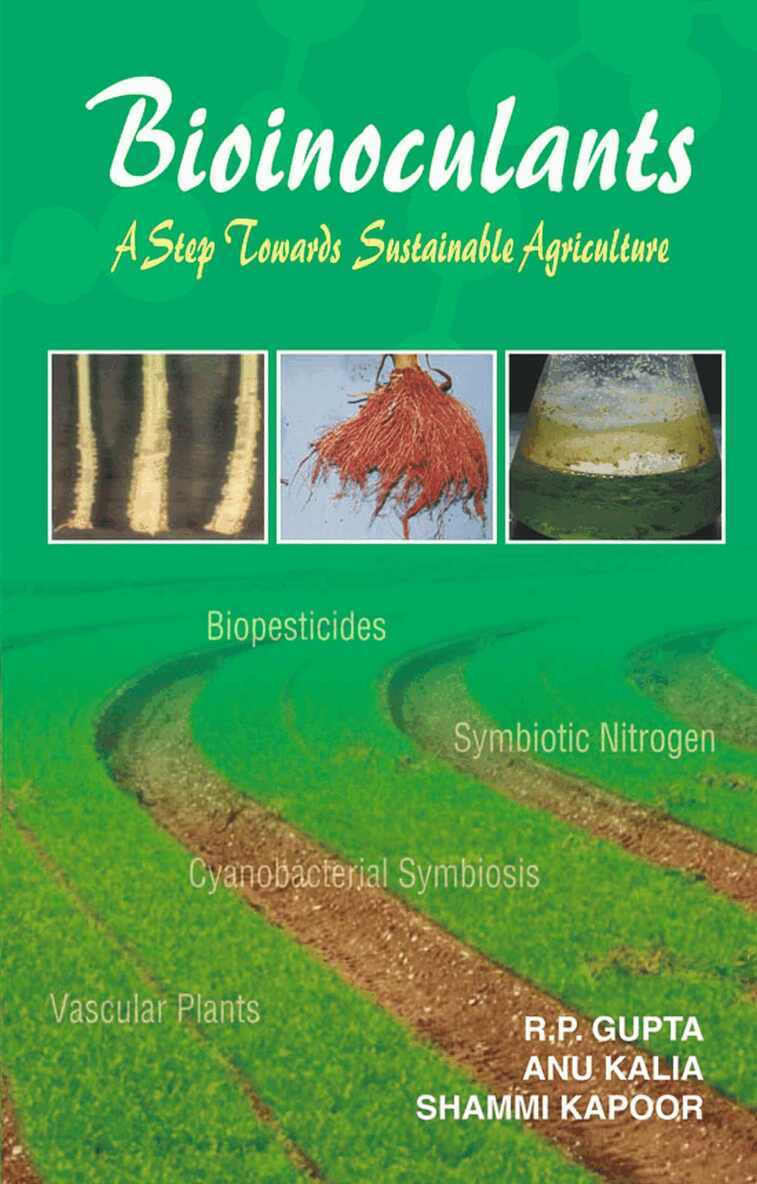
Developing countries, particularly those in the Indian subcontinent, are experiencing significant economic, agricultural, and industrial development. The primary objective of modern, mechanized agricultural practices is to increase crop yields to feed the rapidly growing population. As a result, there is an increased reliance on chemical fertilizers and other agrochemicals. However, the high production costs of these chemical products place pressure on the countrys limited fossil fuel reserves.Bioinoculants, which include biofertilizers, biopesticides, and organic decomposers, are a more ecologically and economically sustainable alternative to chemical fertilizers and pesticides. Biofertilizers are live microbial cells that provide essential nutrients, promote plant growth, and enhance resistance to diseases, resulting in increased crop yields. Biopesticides are live microbial isolates or their metabolic byproducts that eliminate crop-damaging insects and pests. Organic decomposers, such as certain fungal species, bacterial genera, and actinomycetes, accelerate the decomposition of organic matter, releasing nutrients that are otherwise held as organic matter.Among the commercially available biopesticides, Bt cotton has emerged as the first ambassador for modern pesticides. Overall, bioinoculants offer a promising solution to the challenges faced by developing countries in terms of sustainable agriculture and food security.
Inbunden, Engelska, 2007
1 229 kr
Skickas inom 5-8 vardagar
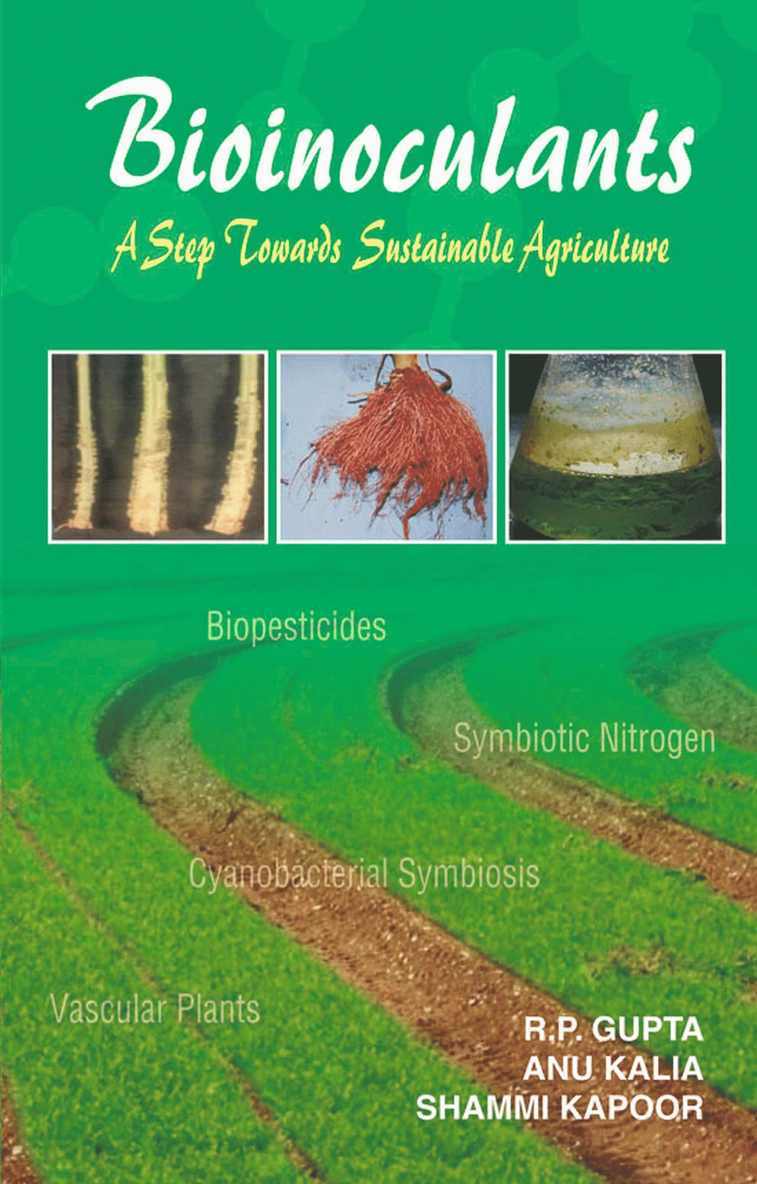
Developing countries, particularly those in the Indian subcontinent, are experiencing significant economic, agricultural, and industrial growth. The primary objective of modern agricultural practices is to increase grain production to feed the growing population. As a result, the use of chemical fertilizers and other agrochemicals is becoming increasingly necessary. However, the high cost of these products puts pressure on the countrys fossil fuel reserves.Bioinoculants, such as biofertilizers, biopesticides, and organic decomposers, are a more eco-friendly and economically viable alternative to chemical fertilizers and pesticides. Biofertilizers are live microbial cells that provide essential nutrients, promote growth, and improve resistance to diseases, leading to increased yields. Biopesticides are live microbial isolates or their metabolic products that help control pests and insects. Commercial biopesticides, such as Bt cotton, have emerged as successful alternatives to traditional pesticides.The third category of bioinoculants includes organic decomposers, such as fungal species, bacterial genera, and actinomycetes, which break down organic matter and release nutrients for plant growth. These eco-friendly solutions can help reduce reliance on chemical fertilizers and pesticides, making them a promising option for sustainable agriculture in developing countries.
Häftad, Engelska, 2021
309 kr
Skickas inom 5-8 vardagar
Häftad, Engelska, 2024
469 kr
Skickas inom 5-8 vardagar
Häftad, Engelska, 2025
144 kr
Skickas inom 5-8 vardagar
E-bok
Engelska, 20135 896 kr
Läs direkt efter köp
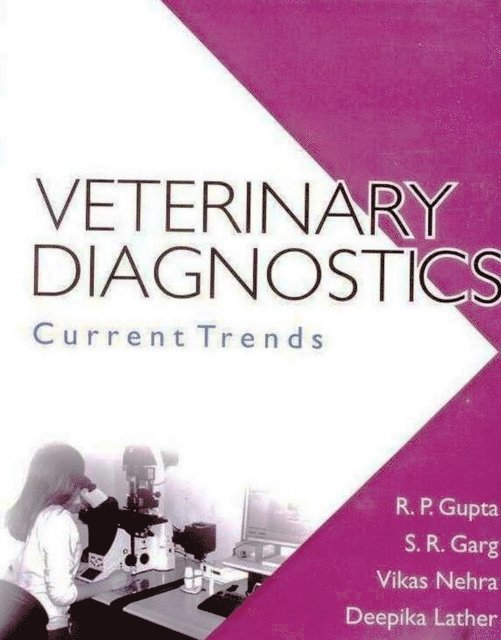
Prompt and correct diagnosis of livestock and poultry diseases has paramount importance in veterinary and animal husbandry practices. It facilitates timely initiation of safe and specific therapy and implementation of preventive and control measures against diseases. The success of disease surveillance programmes also depends on the availability of diagnostic tools and facilities. This book presents a detailed and comprehensive account of conventional and modern techniques for diagnosis of major diseases of animals and poultry. Distinguished scientists and academicians across the country having expertise in disease diagnosis have contributed chapters in the book. Diagnostic techniques in pathology, microbiology, molecular biology, immunology, parasitology, cytology, haematology and imaging have been vividly described and suitably supported with impressive illustrations. The book is an unmatched reference resource not only for the disease diagnosticians but also for the researchers and teachers. Simple language of the book makes it equally useful for the undergraduate and postgraduate students of veterinary sciences and animal husbandry disciplines.