Radha Ivory - Böcker
Visar alla böcker från författaren Radha Ivory. Handla med fri frakt och snabb leverans.
5 produkter
5 produkter
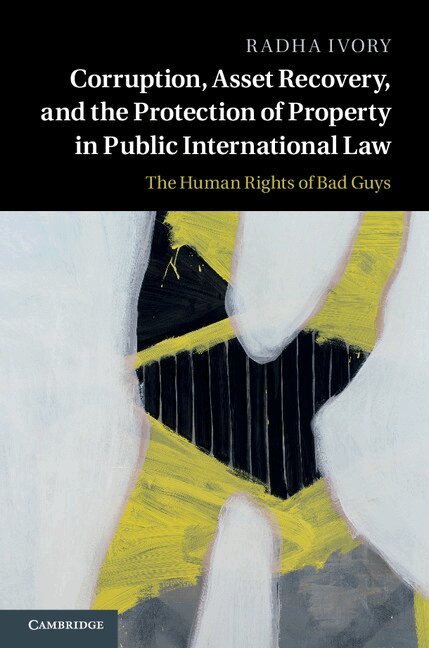
Corruption, Asset Recovery, and the Protection of Property in Public International Law
The Human Rights of Bad Guys
Inbunden, Engelska, 2014
1 339 kr
Skickas inom 7-10 vardagar
In recovering assets that are or that represent the proceeds, objects, or instrumentalities of grand corruption, do states violate the human rights of politically exposed persons, their relatives, or their associates? Radha Ivory asks whether cooperative efforts to confiscate illicit wealth are compatible with rights to property in public international law. She explores the tensions between the goals of controlling high-level, high-value corruption and ensuring equal enjoyment of civil and political rights. Through the jurisprudence of regional human rights tribunals and the literature on confiscation and international cooperation, Ivory shows how asset recovery is a human rights issue and how principles of legality and proportionality have mediated competing interests in analogous matters. In cases of asset recovery, she predicts that property rights will likewise enable questions of individual entitlement to be considered in the context of collective concerns with good governance, global economic inequality, and the suppression of transnational crime.
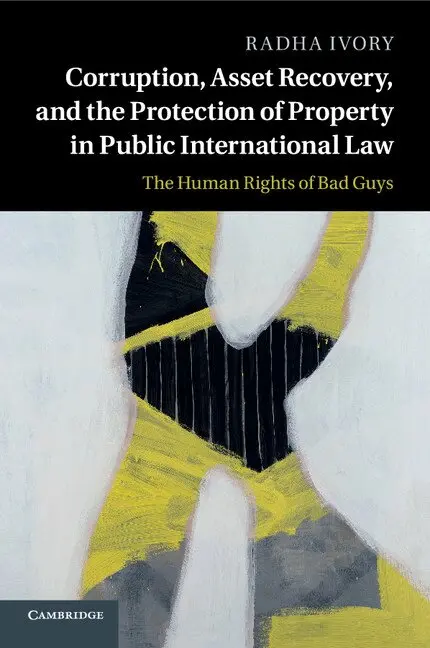
Corruption, Asset Recovery, and the Protection of Property in Public International Law
The Human Rights of Bad Guys
Häftad, Engelska, 2016
467 kr
Skickas inom 7-10 vardagar
In recovering assets that are or that represent the proceeds, objects, or instrumentalities of grand corruption, do states violate the human rights of politically exposed persons, their relatives, or their associates? Radha Ivory asks whether cooperative efforts to confiscate illicit wealth are compatible with rights to property in public international law. She explores the tensions between the goals of controlling high-level, high-value corruption and ensuring equal enjoyment of civil and political rights. Through the jurisprudence of regional human rights tribunals and the literature on confiscation and international cooperation, Ivory shows how asset recovery is a human rights issue and how principles of legality and proportionality have mediated competing interests in analogous matters. In cases of asset recovery, she predicts that property rights will likewise enable questions of individual entitlement to be considered in the context of collective concerns with good governance, global economic inequality, and the suppression of transnational crime.
824 kr
Skickas inom 5-8 vardagar
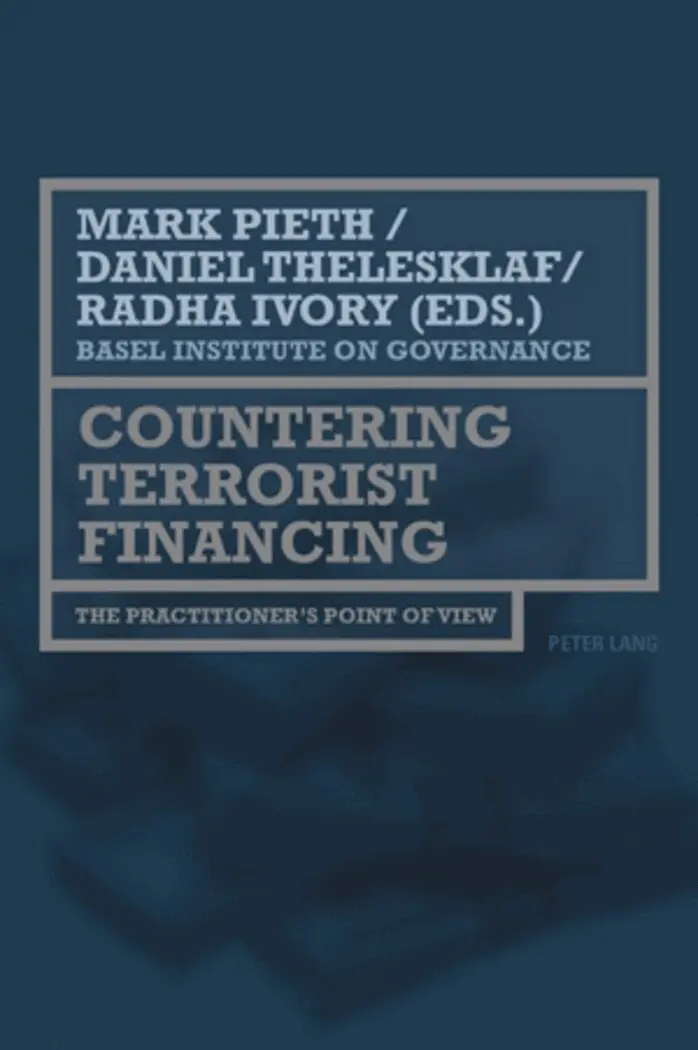
Terrorists need money to commit acts of violence and sustain their operations. Measures to combat terrorism therefore aim to prevent terrorists from raising, moving and using funds or other assets. The effectiveness – and the fairness – of these measures were considered at the second ‘Giessbach’ seminar on counter-terrorist financing (CTF) organised by the Basel Institute on Governance in October 2008.This book contains essays presented at the seminar written by practitioners and academics with extensive experience in the field of CTF. The authors offer a diversity of views on the domestic, regional and international initiatives aimed at detecting terrorist funds in the financial system, preventing terrorists from moving their money via alternative financial channels and facilitating the recovery of terrorist assets. The editors conclude with in-sights into the ongoing challenge of making CTF measures both effective and legally sustainable in the lead-up to Giessbach III in December 2009.
2 232 kr
Skickas inom 10-15 vardagar
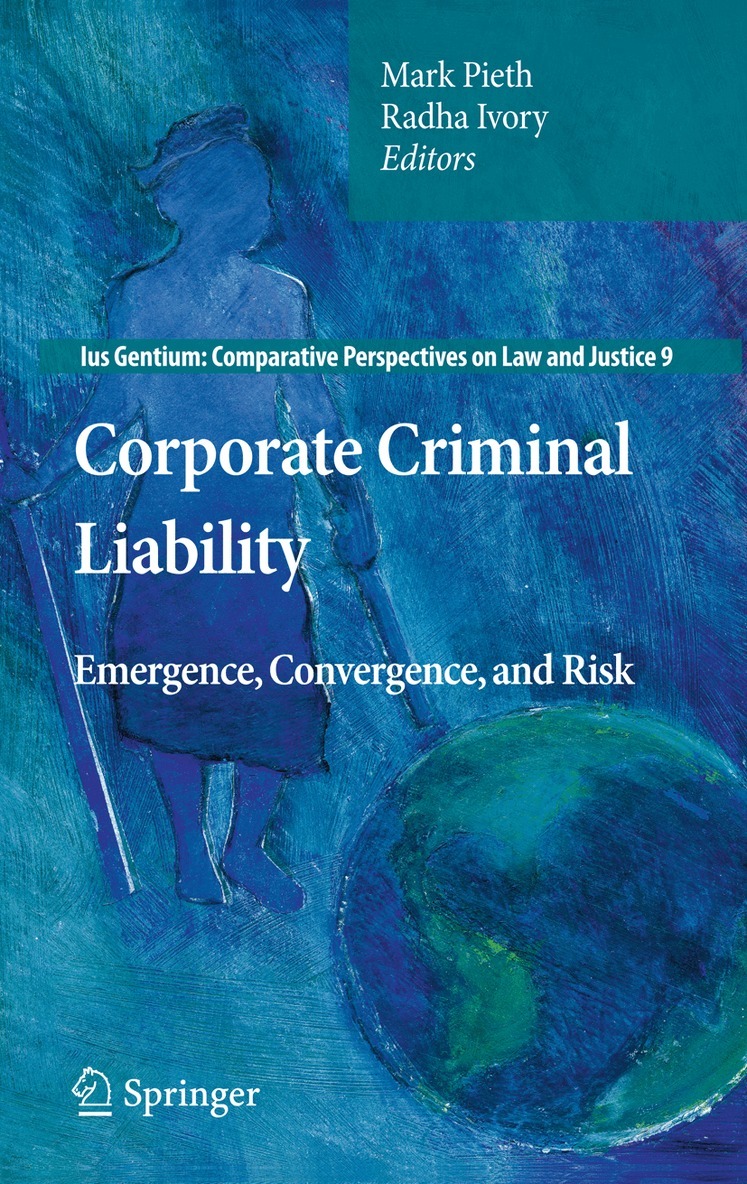
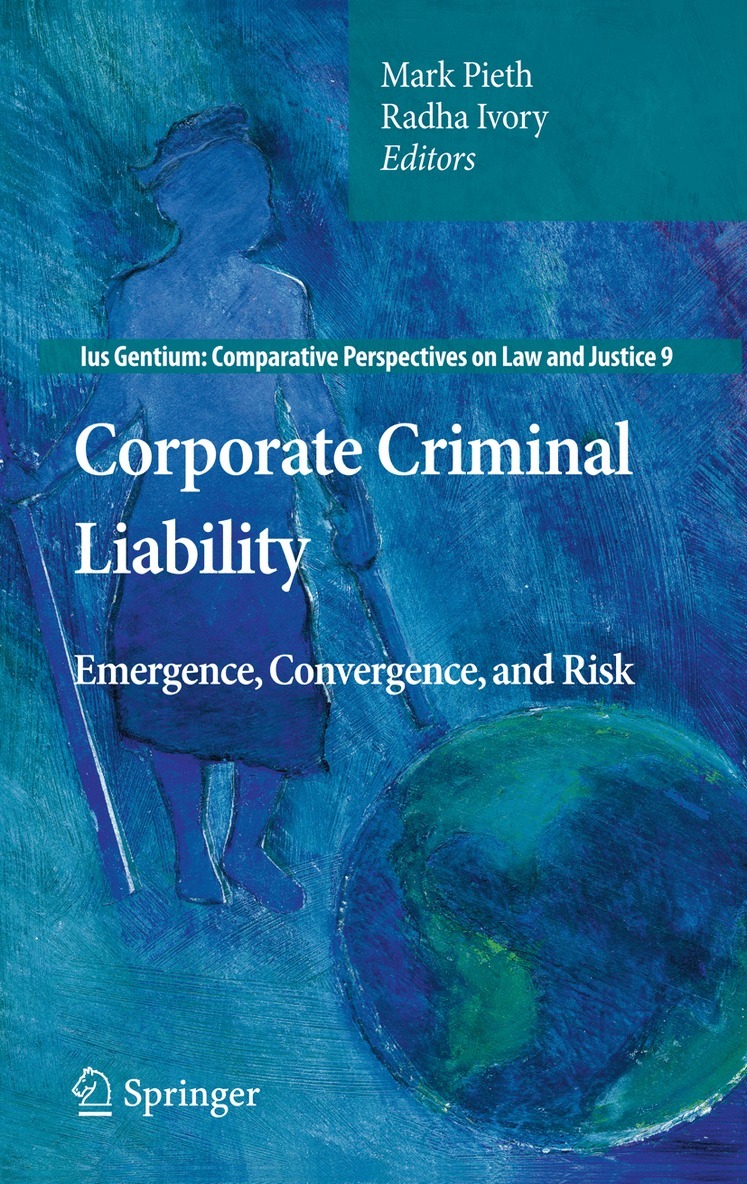
With industrialization and globalization, corporations acquired the capacity to influence social life for good or for ill. Yet, corporations are not traditional objects of criminal law. Justified by notions of personal moral guilt, criminal norms have been judged inapplicable to fictional persons, who ‘think’ and ‘act’ through human beings. The expansion of new corporate criminal liability (CCL) laws since the mid-1990s challenges this assumption. Our volume surveys current practice on CCL in 15 civil and common law jurisdictions, exploring the legal conditions for liability, the principles and options for sanctioning, and the procedures for investigating, charging and trying corporate offenders. It considers whether municipal CCL laws are converging around the notion of ‘corporate culture’, and, in any case, the implications of CCL for those charged with keeping corporations, and other legal entities, out of trouble.
2 232 kr
Skickas inom 10-15 vardagar
With industrialization and globalization, corporations acquired the capacity to influence social life for good or for ill. Yet, corporations are not traditional objects of criminal law. Justified by notions of personal moral guilt, criminal norms have been judged inapplicable to fictional persons, who ‘think’ and ‘act’ through human beings. The expansion of new corporate criminal liability (CCL) laws since the mid-1990s challenges this assumption. Our volume surveys current practice on CCL in 15 civil and common law jurisdictions, exploring the legal conditions for liability, the principles and options for sanctioning, and the procedures for investigating, charging and trying corporate offenders. It considers whether municipal CCL laws are converging around the notion of ‘corporate culture’, and, in any case, the implications of CCL for those charged with keeping corporations, and other legal entities, out of trouble.