Raimundo Soto – författare
Visar alla böcker från författaren Raimundo Soto. Handla med fri frakt och snabb leverans.
7 produkter
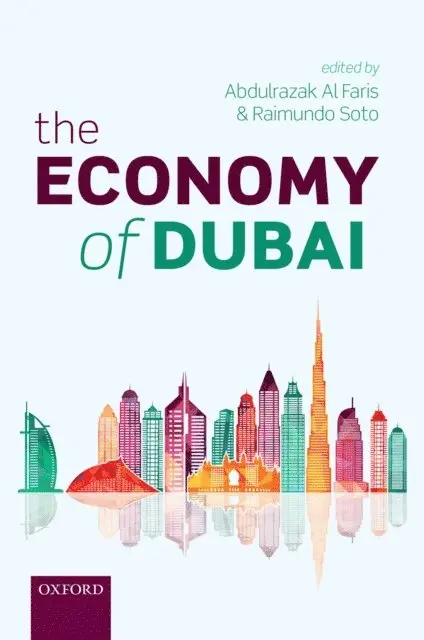
Economy of Dubai
Av Raimundo Soto, Abdulrazak Al Faris
E-bok, 2016
1680 kr
Lägg i varukorg
Over the last 50 years, Dubai has transformed itself from a small fishing and trading village into an integrated, modern, and vibrant economy. The development process was initiated by oil richness but, unlike most other oil exporters, it has successfully diversified away from hydrocarbons with the …
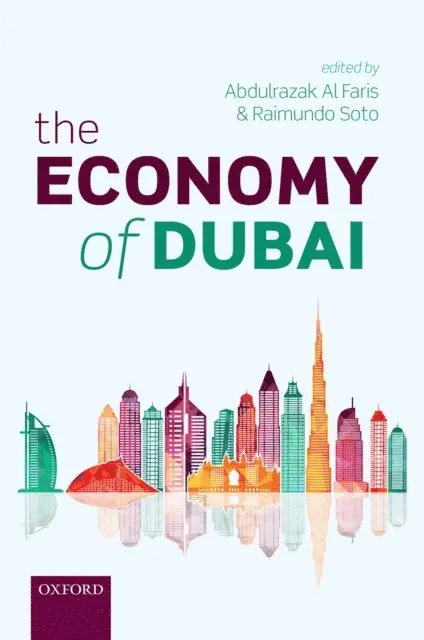
Economy of Dubai
Av Raimundo Soto, Abdulrazak Al Faris
E-bok, 2016
1680 kr
Lägg i varukorg
Over the last 50 years, Dubai has transformed itself from a small fishing and trading village into an integrated, modern, and vibrant economy. The development process was initiated by oil richness but, unlike most other oil exporters, it has successfully diversified away from hydrocarbons with the …
The Economy of Dubai
Av Abdulrazak Al Faris, Abdulrazak Al Faris m. fl.
Inbunden, 2016
2483 kr
Lägg i varukorg
Over the last 50 years, Dubai has transformed itself from a small fishing and trading village into an integrated, modern, and vibrant economy. The development process was initiated by oil richness but, unlike most other oil exporters, it has successfully diversified away from hydrocarbons with the …
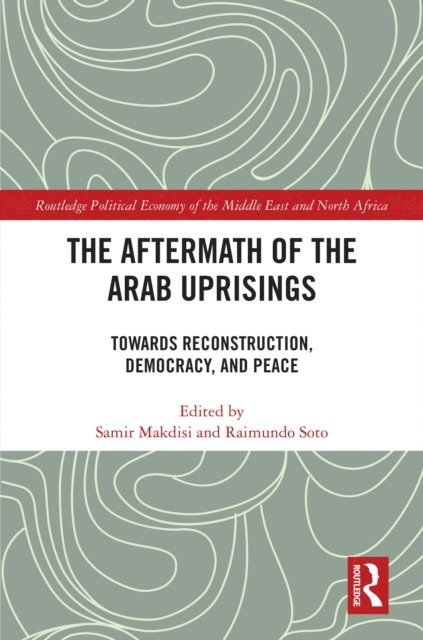
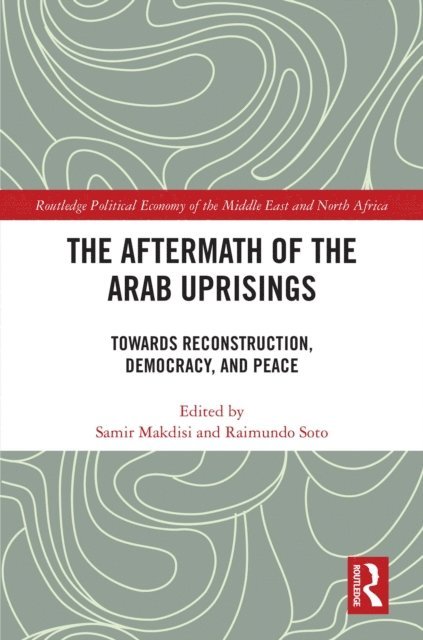
Aftermath of the Arab Uprisings
Towards Reconstruction, Democracy and Peace
Av Raimundo Soto, Samir Makdisi
E-bok, 2023
745 kr
Lägg i varukorg
Unlike other books on the Arab uprisings of 2010–2011 which focus on why they occurred, this book looks instead towards the future of three countries—Syria, Libya, and Yemen—where the violence and instability initiated by the uprisings persist. It additionally examines the case of Iraq which …
Aftermath of the Arab Uprisings
Towards Reconstruction, Democracy and Peace
Av Raimundo Soto, Samir Makdisi
E-bok, 2023
721 kr
Lägg i varukorg
Unlike other books on the Arab uprisings of 2010–2011 which focus on why they occurred, this book looks instead towards the future of three countries—Syria, Libya, and Yemen—where the violence and instability initiated by the uprisings persist. It additionally examines the case of Iraq which …
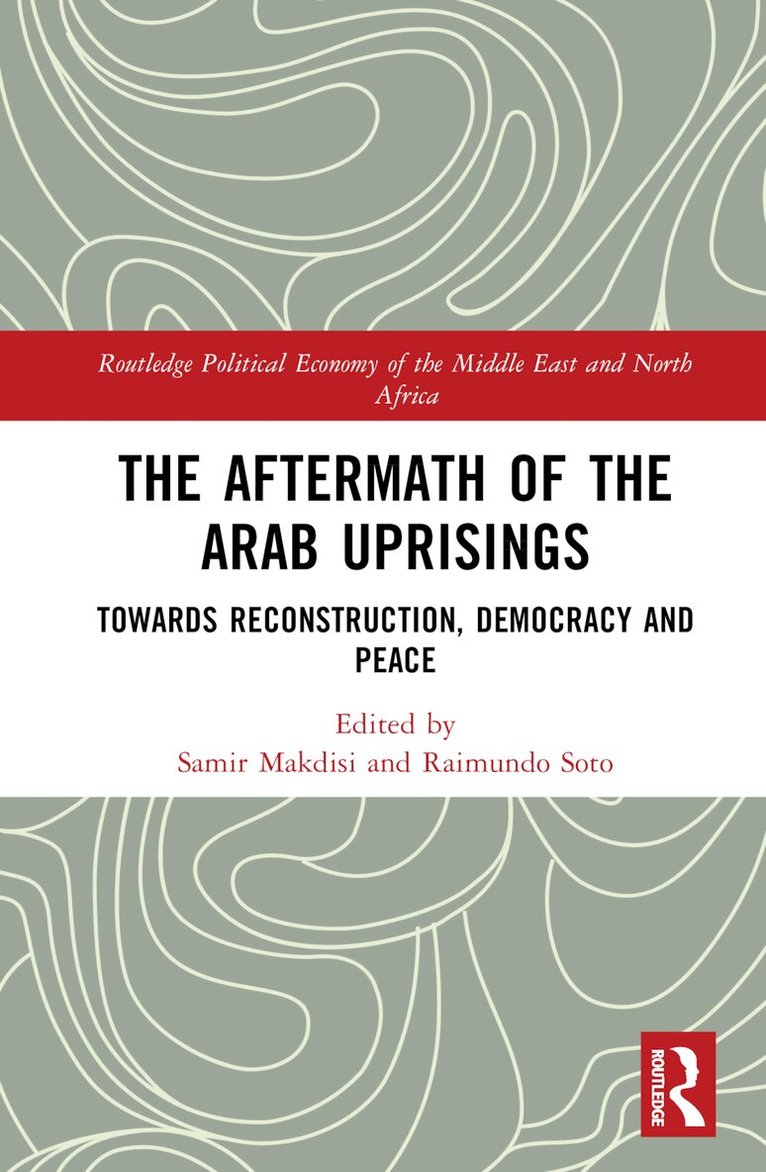
Aftermath of the Arab Uprisings
Towards Reconstruction, Democracy and Peace
Av Samir Makdisi, Raimundo Soto
Inbunden, 2023
2136 kr
Lägg i varukorg
Unlike other books on the Arab uprisings of 2010–2011 which focus on why they occurred, this book looks instead towards the future of three countries—Syria, Libya, and Yemen—where the violence and instability initiated by the uprisings persist. It additionally examines the case of Iraq which …
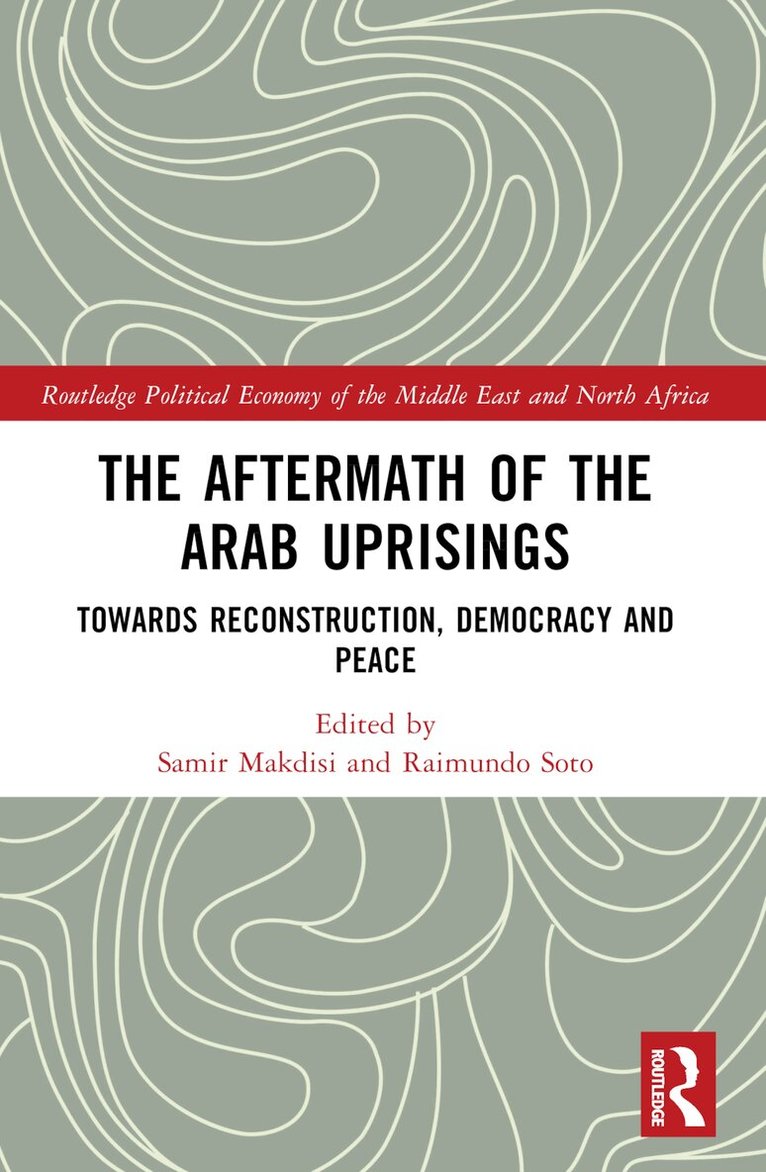
Aftermath of the Arab Uprisings
Towards Reconstruction, Democracy and Peace
Av Samir Makdisi, Raimundo Soto
Häftad, 2024
653 kr
Lägg i varukorg
Unlike other books on the Arab uprisings of 2010–2011 which focus on why they occurred, this book looks instead towards the future of three countries—Syria, Libya, and Yemen—where the violence and instability initiated by the uprisings persist. It additionally examines the case of Iraq which …