Rainer Guldin – författare
Visar alla böcker från författaren Rainer Guldin. Handla med fri frakt och snabb leverans.
11 produkter
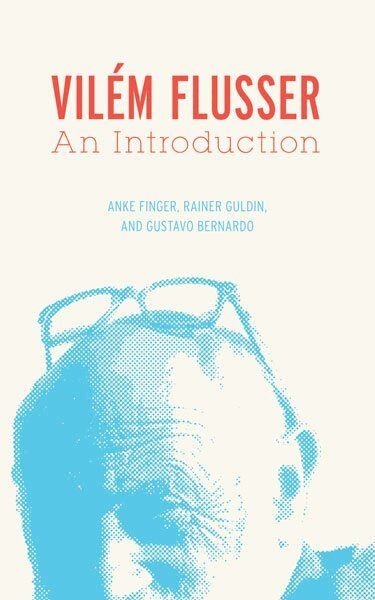
Vilém Flusser
An Introduction
Av Anke Finger, Rainer Guldin m. fl.
Häftad, 2011
261 kr
Lägg i varukorg
VilÉm Flusser (1920–1991) has long been known and celebrated in Europe and Brazil primarily as a media theorist. Only recently have other facets of his accomplishments come to light, clearly establishing Flusser as a key thinker. An accessible and thorough introduction to Flusser’s thought, this …
Metaphors of Multilingualism
Changing Attitudes towards Language Diversity in Literature, Linguistics and Philosophy
E-bok, 2020
838 kr
Lägg i varukorg
Metaphors of Multilingualism explores changing attitudes towards multilingualism by focusing on shifts both in the choice and in the use of metaphors. Rainer Guldin uses linguistics, philosophy, literature, literary theory and related disciplines to trace the radical redefinition of multilingualism …
Metaphors of Multilingualism
Changing Attitudes towards Language Diversity in Literature, Linguistics and Philosophy
E-bok, 2020
838 kr
Lägg i varukorg
Metaphors of Multilingualism explores changing attitudes towards multilingualism by focusing on shifts both in the choice and in the use of metaphors. Rainer Guldin uses linguistics, philosophy, literature, literary theory and related disciplines to trace the radical redefinition of multilingualism …
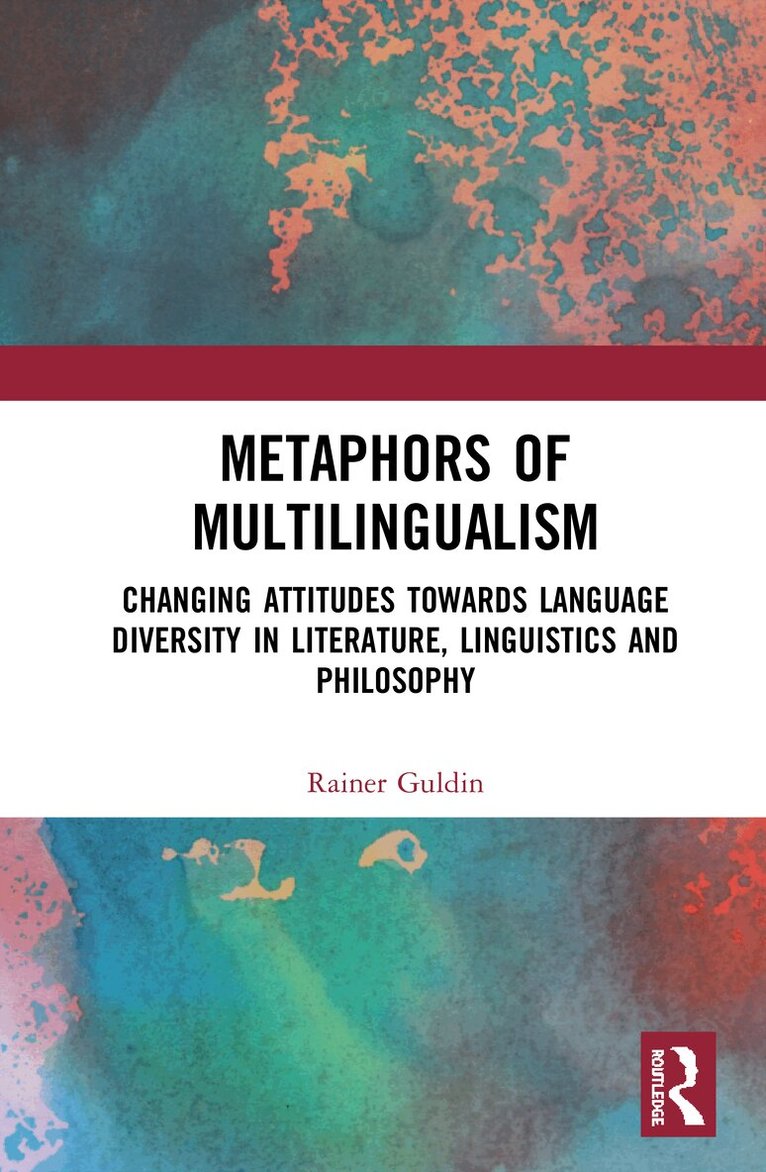
Metaphors of Multilingualism
Changing Attitudes towards Language Diversity in Literature, Linguistics and Philosophy
Häftad, 2021
727 kr
Lägg i varukorg
Metaphors of Multilingualism explores changing attitudes towards multilingualism by focusing on shifts both in the choice and in the use of metaphors. Rainer Guldin uses linguistics, philosophy, literature, literary theory and related disciplines to trace the radical redefinition of multilingualism …
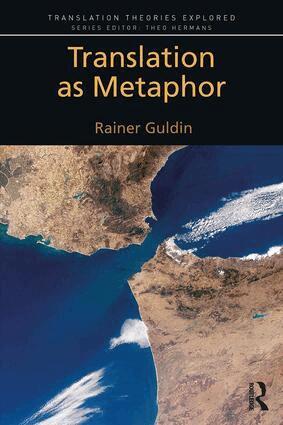
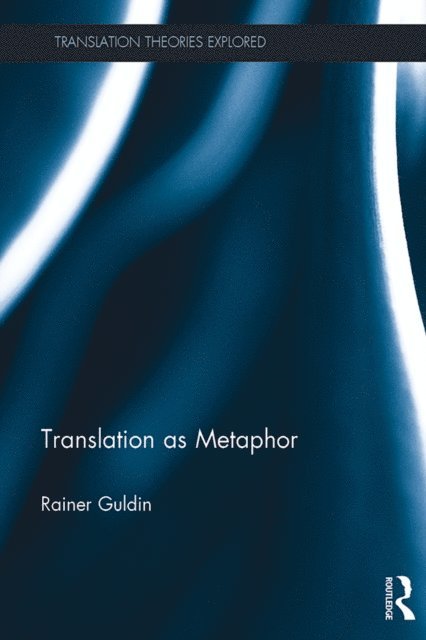
Translation as Metaphor
Häftad, 2018
847 kr
Lägg i varukorg
In today’s ever-changing climate of disintegration and recombination, translation has become one of the essential metaphors, if not the metaphor, of our globalized world. Translation and Metaphor is an attempt to draw a comprehensive map of these new, overlapping theoretical territories and the …
Metaphors of Multilingualism
Changing Attitudes towards Language Diversity in Literature, Linguistics and Philosophy
Inbunden, 2020
2586 kr
Lägg i varukorg
Metaphors of Multilingualism explores changing attitudes towards multilingualism by focusing on shifts both in the choice and in the use of metaphors. Rainer Guldin uses linguistics, philosophy, literature, literary theory and related disciplines to trace the radical redefinition of multilingualism …
Translation as Metaphor
Inbunden, 2015
2826 kr
Lägg i varukorg
In today’s ever-changing climate of disintegration and recombination, translation has become one of the essential metaphors, if not the metaphor, of our globalized world. Translation and Metaphor is an attempt to draw a comprehensive map of these new overlapping theoretical territories and the many …
Translation as Metaphor
E-bok, 2015
892 kr
Lägg i varukorg
In today’s ever-changing climate of disintegration and recombination, translation has become one of the essential metaphors, if not the metaphor, of our globalized world. Translation and Metaphor is an attempt to draw a comprehensive map of these new overlapping theoretical territories and the many …
Translation as Metaphor
E-bok, 2015
892 kr
Lägg i varukorg
In today’s ever-changing climate of disintegration and recombination, translation has become one of the essential metaphors, if not the metaphor, of our globalized world. Translation and Metaphor is an attempt to draw a comprehensive map of these new overlapping theoretical territories and the many …
Vilém Flusser - Einhundert Zitate
Av Rainer Guldin, Andreas Müller-Pohle
Inbunden, 2020
196 kr
Lägg i varukorg