Raj Brown – författare
Visar alla böcker från författaren Raj Brown. Handla med fri frakt och snabb leverans.
5 produkter
Chinese and Indian Corporate Economies
A Comparative History of their Search for Economic Renaissance and Globalization
Av Raj Brown
Häftad, 2019
770 kr
Lägg i varukorg
This is a compelling analysis of the corporate economies of China and India, which are having a huge impact not just on the international economy, but also in the geopolitical and international strategy sphere as a result of an accelerated globalisation by these two countries, which is unleashing …
Chinese and Indian Corporate Economies
A Comparative History of their Search for Economic Renaissance and Globalization
Av Raj Brown
Inbunden, 2017
3165 kr
Lägg i varukorg
This is a compelling analysis of the corporate economies of China and India, which are having a huge impact not just on the international economy, but also in the geopolitical and international strategy sphere as a result of an accelerated globalisation by these two countries, which is unleashing …
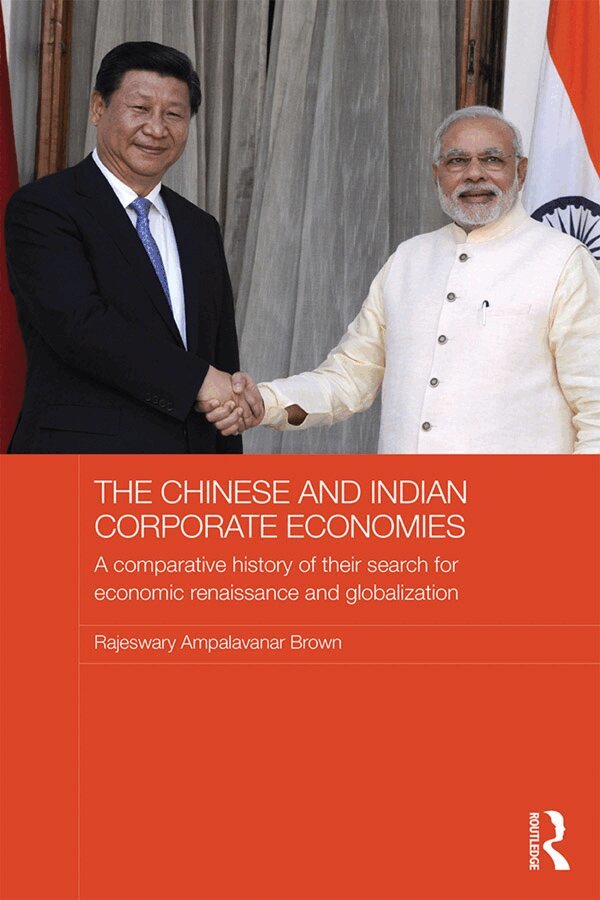
Chinese and Indian Corporate Economies
A Comparative History of their Search for Economic Renaissance and Globalization
Av Raj Brown
E-bok, 2017
910 kr
Lägg i varukorg
This is a compelling analysis of the corporate economies of China and India, which are having a huge impact not just on the international economy, but also in the geopolitical and international strategy sphere as a result of an accelerated globalisation by these two countries, which is unleashing …
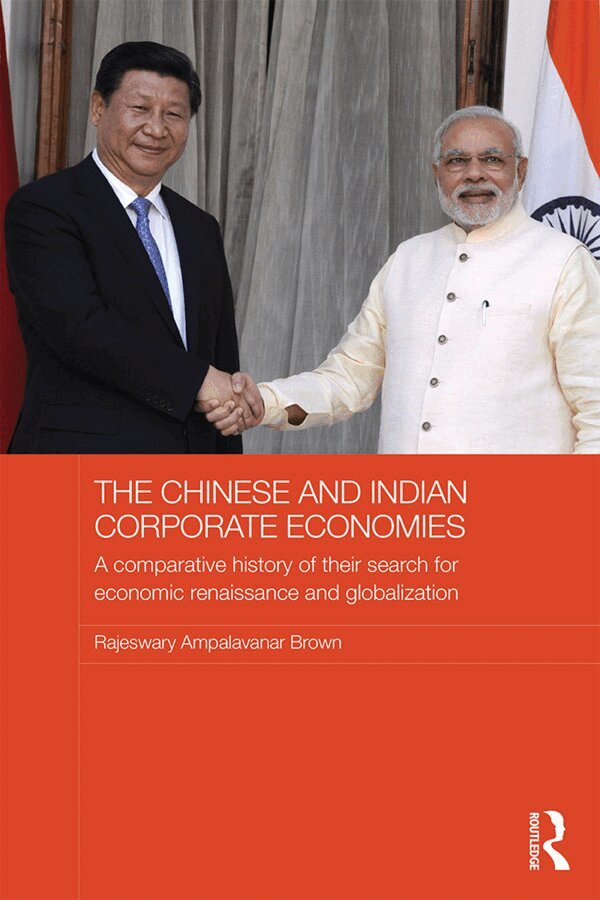
Chinese and Indian Corporate Economies
A Comparative History of their Search for Economic Renaissance and Globalization
Av Raj Brown
E-bok, 2017
910 kr
Lägg i varukorg
This is a compelling analysis of the corporate economies of China and India, which are having a huge impact not just on the international economy, but also in the geopolitical and international strategy sphere as a result of an accelerated globalisation by these two countries, which is unleashing …
Chinese Business Enterprise
Critical Perspectives on Business and Management
Av Raj Brown
Inbunden, 1996
13606 kr
Tillfälligt slut
This work gathers together articles by leading British, Chinese and Japanese scholars on the mechanisms at work in Chinese business practices, both within China and in other countries. The topics covered include:* the role of family and lineage* business organization* networks* business and foreign …