Rajini Srikanth – författare
500 kr
Skickas inom 5-8 vardagar
500 kr
Skickas inom 5-8 vardagar
848 kr
Skickas inom 10-15 vardagar
2 497 kr
Skickas inom 7-10 vardagar
2 151 kr
Skickas inom 10-15 vardagar
574 kr
Skickas inom 10-15 vardagar
562 kr
Läs direkt efter köp
562 kr
Läs direkt efter köp
665 kr
Läs direkt efter köp
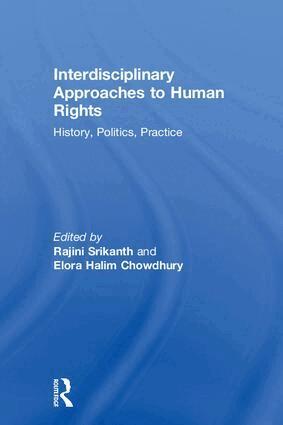
Interdisciplinary Approaches to Human Rights: History, Politics, Practice is an edited collection that brings together analyses of human rights work from multiple disciplines. Within the academic sphere, this book will garner interest from scholars who are invested in human rights as a field of study, as well as those who research, and are engaged in, the praxis of human rights.
Referring to the historical and cross-cultural study of human rights, the volume engages with disciplinary debates in political philosophy, gender and women’s studies, Global South/Third World studies, international relations, psychology, and anthropology. At the same time, the authors employ diverse methodologies including oral history, theoretical and discourse analysis, ethnography, and literary and cinema studies. Within the field of human rights studies, this book attends to the critical academic gap on interdisciplinary and praxis-based approaches to the field, as opposed to a predominantly legalistic focus, drawing from case studies from a wide range of contexts in the Global South, including Bangladesh, Colombia, Haiti, India, Mexico, Palestine, and Sudan, as well as from Australia and the United States in the Global North.
For students who will go on to become researchers, practitioners, policy makers, and activists, this collection of essays will demonstrate the multifaceted landscape of human rights and the multiple forces (philosophical, political, cultural, economic, historical) that affect it.
665 kr
Läs direkt efter köp
Interdisciplinary Approaches to Human Rights: History, Politics, Practice is an edited collection that brings together analyses of human rights work from multiple disciplines. Within the academic sphere, this book will garner interest from scholars who are invested in human rights as a field of study, as well as those who research, and are engaged in, the praxis of human rights.
Referring to the historical and cross-cultural study of human rights, the volume engages with disciplinary debates in political philosophy, gender and women’s studies, Global South/Third World studies, international relations, psychology, and anthropology. At the same time, the authors employ diverse methodologies including oral history, theoretical and discourse analysis, ethnography, and literary and cinema studies. Within the field of human rights studies, this book attends to the critical academic gap on interdisciplinary and praxis-based approaches to the field, as opposed to a predominantly legalistic focus, drawing from case studies from a wide range of contexts in the Global South, including Bangladesh, Colombia, Haiti, India, Mexico, Palestine, and Sudan, as well as from Australia and the United States in the Global North.
For students who will go on to become researchers, practitioners, policy makers, and activists, this collection of essays will demonstrate the multifaceted landscape of human rights and the multiple forces (philosophical, political, cultural, economic, historical) that affect it.
378 kr
Skickas inom 5-8 vardagar
363 kr
Skickas inom 5-8 vardagar
353 kr
Skickas inom 5-8 vardagar
1 099 kr
Skickas inom 5-8 vardagar
1 324 kr
Skickas inom 10-15 vardagar
535 kr
Läs direkt efter köp
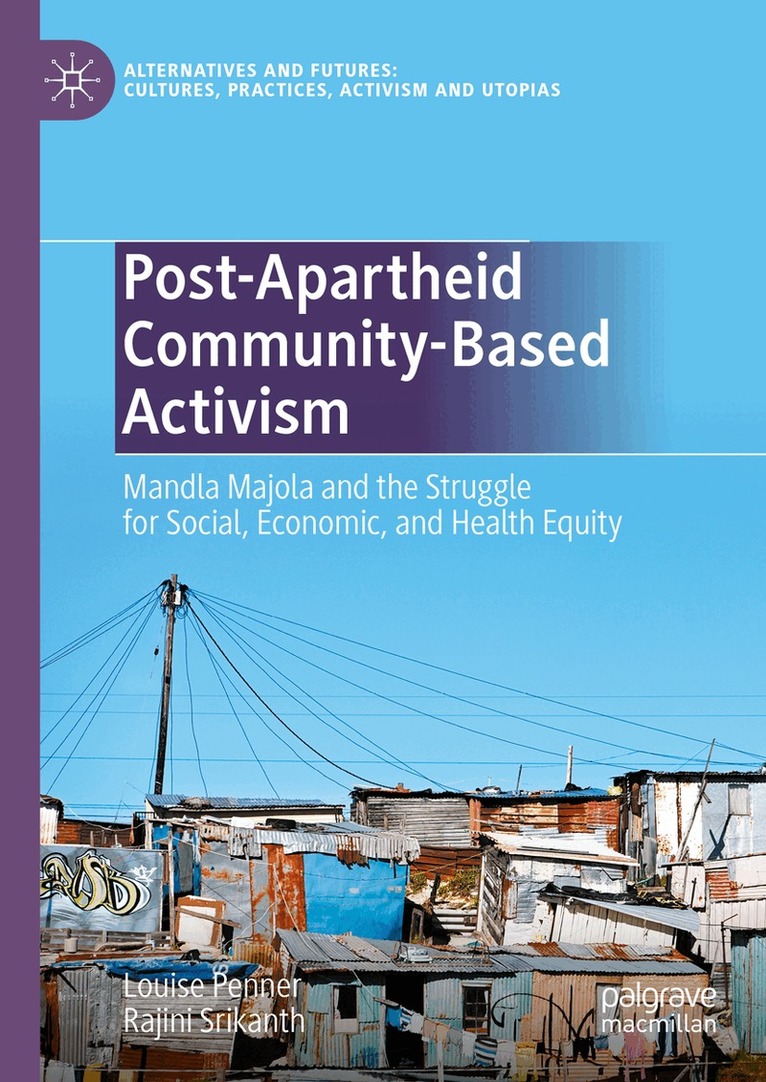
This book provides a timely study of community-based activism in contemporary South Africa. Grounded in oral history, the book examines the acquired expertise and life experiences of an impactful South African activist, Mandla Majola, within the context of the people, circumstances, and affiliations that have shaped his strategic thinking and practice. The authors situate Mandla Majola’s activist and everyday experiences within histories of the complex connections between post-apartheid political and social movements and human rights discourse as they emerged after 1994. The book illuminates the relationship of state power to public health activism for HIV, tuberculosis and COVID-19 and for a life of basic human dignity, including access to sanitation and housing. Mandla Majola’s life spotlights the inspiring, sometimes grueling, and tireless quotidian work of thousands of “invisible” community-based activists whose collective actions have impacted the entire spectrum of social and economic rights of untold numbers of people in South Africa and beyond.