Ralph Maud – författare
767 kr
Skickas inom 5-8 vardagar
946 kr
Läs direkt efter köp
380 kr
Skickas inom 5-8 vardagar
199 kr
Läs direkt efter köp
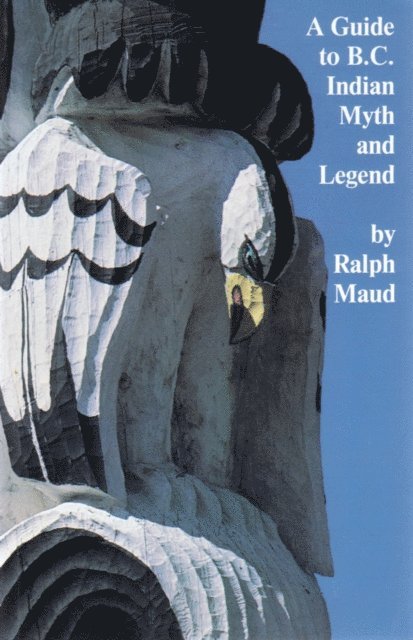
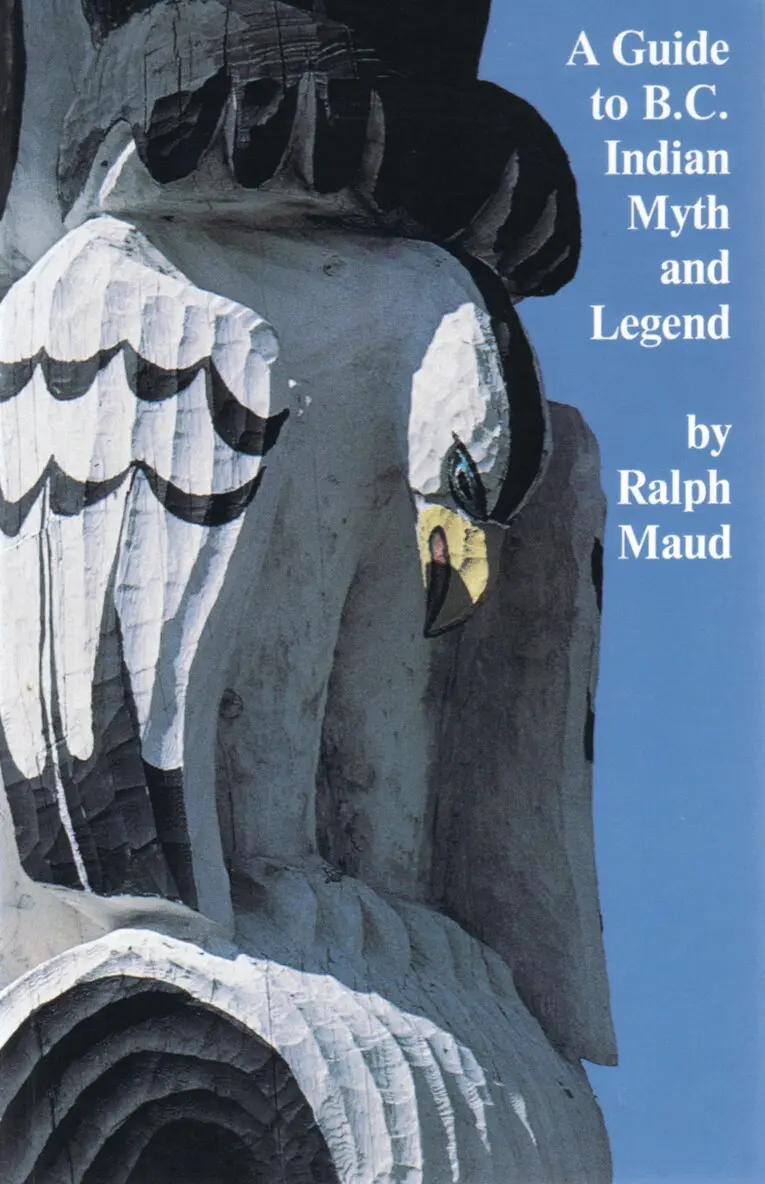
Boas, Teit, Hill-Tout, Barbeau, Swanton, Jenness, the luminaries of field research in British Columbia, are discussed here in A Guide to B.C. Indian Myth and Legend, and their work in Indian folklore evaluated. Other scholars, amateurs and Native informants of the past and present are given ample consideration, making this book a comprehensive survey of myth collecting in B.C. The aim is to reveal the true extent of this neglected body of world literature, and to begin to sort out the more valuable texts from those damaged in transmission. A Guide to B.C. Indian Myth and Legend is a valuable reference tool for beginning or advanced students of anthropology, and an absorbing look at the research process itself.
155 kr
Läs direkt efter köp
159 kr
Läs direkt efter köp
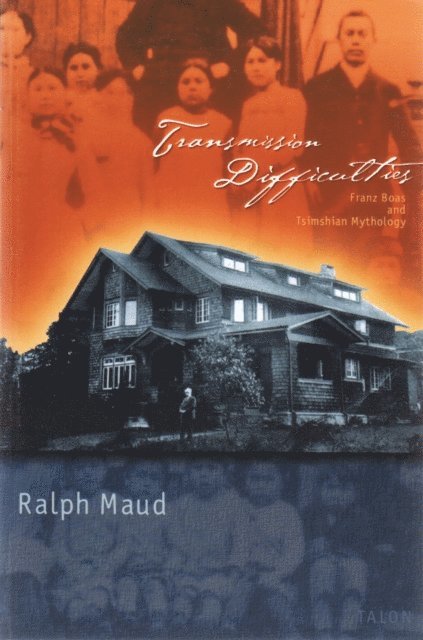
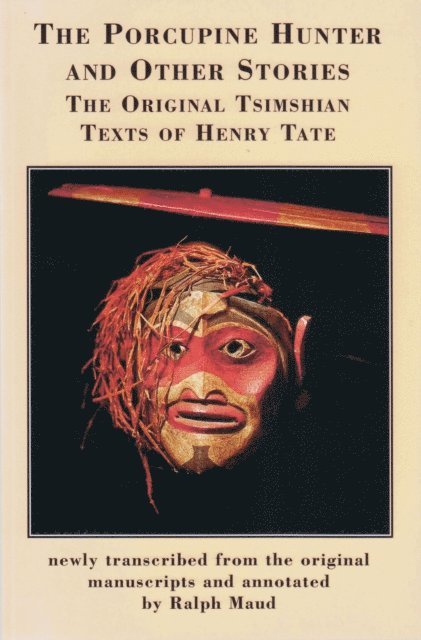
It has been well known since Marius Barbeau’s review of the first edition of Franz Boas’s Tsimshian Mythology in 1917, that something was seriously amiss with Boas’s alleged “translations” of the stories gathered by his chief Tsimshian informant, Henry Tate. But what, exactly, was it that Boas was doing with Tate’s stories? It is this question that Ralph Maud sets out to address in Transmission Difficulties.Boas’s original misrepresentations of the more than 2,000 pages of material he received from Henry Tate have been denied by the ethnographic establishment for more than eighty years. His distortion of Tate’s stories has been rationalized, to date, as “cultural relativism”—any loss of Tate’s original material in this ethnographic “collaboration” between Native informant and European scientist was “unavoidable,” due to the presumably equal “cultural differences” between them. This, Maud argues convincingly, is not the case at all. The fact that Boas paid Tate for his stories by the page, and furthermore instructed Tate specifically on what stories, and even on what kinds of stories he was to gather and submit, created a profoundly unequal relationship between these two men, which resulted in an inevitable and pre-determined “authentication” of the Native material by the European ethnographer.Transmission Difficulties unfolds like a gripping, real-life mystery story. It leaves the reader with a whole new vision of what the relation between European colonials and Aboriginal inhabitants in the Americas might have been, and still might be.
193 kr
Läs direkt efter köp
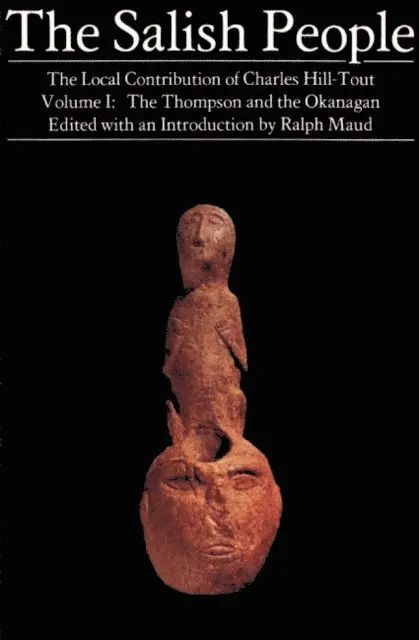
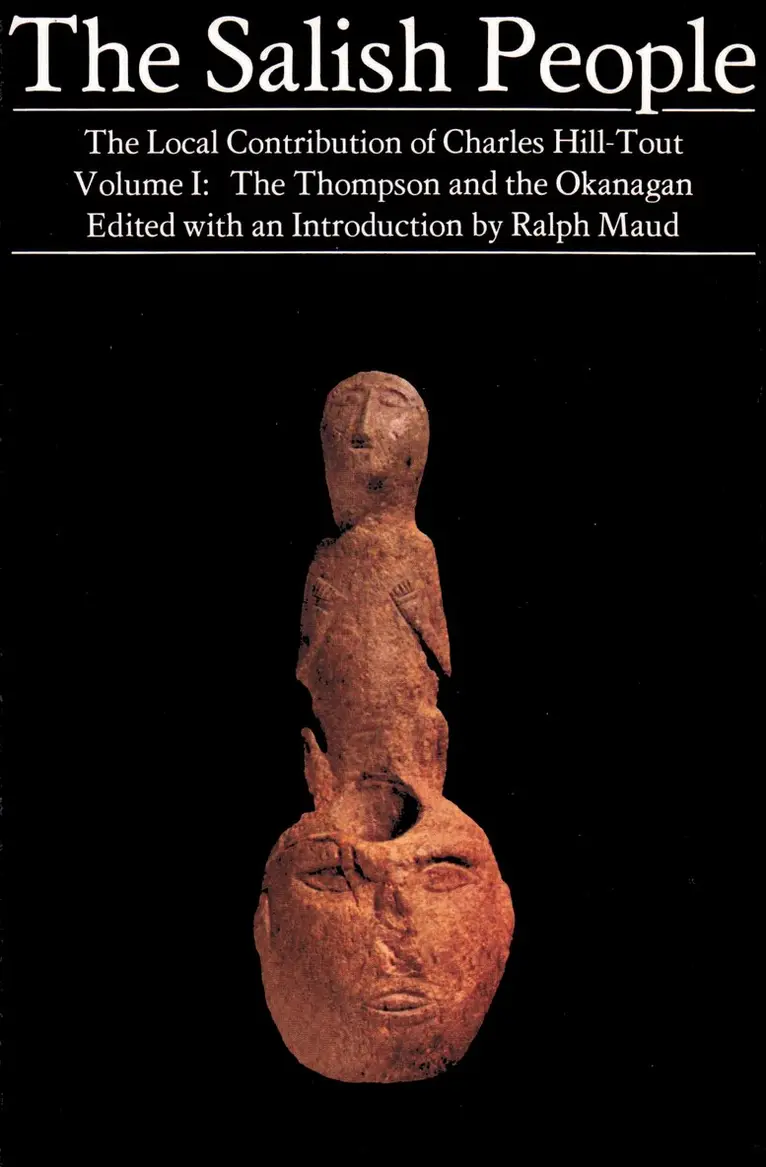
Charles Hill-Tout was born in England in 1858 and came to British Columbia in 1891. A pioneer settler at Abbotsford in the Fraser Valley, he devoted many years of fieldwork to his studies of the Salish and published in the scholarly periodicals of the day. He was honoured as president of the Anthropological Section of the Royal Society of Canada and as a fellow of the Royal Anthropological Institute of Great Britain. In The Salish People, his field reports are collected for the first time.In The Salish People each volums serves as a useful guide to a specific geographic area, bringing the past to the present. The four volumes, rich in stories and factual details about the old customs of the Coast and Interior Salish, are each edited with an introduction by Ralph Maud, who lives in the Fraser Valley and who teaches a course on the B.C. Indian Oral Tradition at Simon Fraser University.Volume I of The Salish People deals with the people of the Thompson and Okanagan. It includes stories told to Charles Hill-Tout by Chief Mischelle of Lytton in 1896. The introduction provides biographical sketches of the two men who make this collaboration the remarkable document it is: Hill-Tout, the self-educated and dedicated ethnologist, newly arrived from England, and Chief Mischelle of Lytton, one of the most talented and informed people that a beginning field worker could hope to meet.
149 kr
Läs direkt efter köp
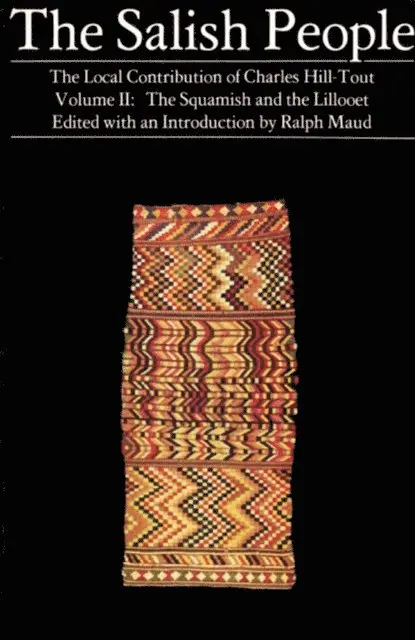
Charles Hill-Tout was born in England in 1858 and came to British Columbia in 1891. A pioneer settler at Abbotsford in the Fraser Valley, he devoted many years studying the Salish and publishing in the scholarly periodicals of the day. He was honoured as president of the Anthropological Section of the Royal Society of Canada and as a fellow of the Royal Anthropological Institute of Great Britain. In The Salish People, his field reports are collected for the first time.In The Salish People each volums serves as a useful guide to a specific geographic area, bringing the past to the present. The four volumes, rich in stories and factual details about the old customs of the Coast and Interior Salish, are each edited with an introduction by Ralph Maud, who lives in the Fraser Valley and who teaches a course on the B.C. Indian Oral Tradition at Simon Fraser University.Volume II of The Salish People deals with the people of the Squamish and the Lillooet, including the Origin Myth as told by a 100-year-old storyteller whose mother saw Captain Cook sail into Howe Sound in 1792. The “asides” Hill-Tout provides throughout the text are highly informative. In one, where fine snow is described, he says: “In this point of the recital the old man was exceedingly interesting and graphic in his description, the very tones of his voice lending themselves to his story, and I gathered, long before the interpreter took up the story, that he had told of something that was very small and had penetrated everywhere.” And again, where the Squamish dead are described: “Here the old man’s voice was hushed to a plaintive wail, and the faces of his audience were an eloquent index of the tragic interest of his story of their ancestors’ misfortunes.”
155 kr
Läs direkt efter köp
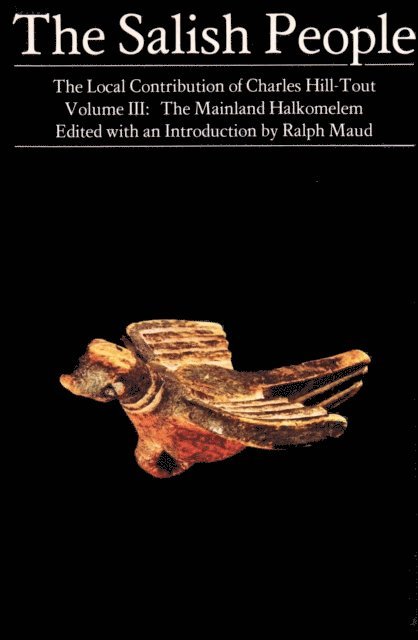
Charles Hill-Tout was born in England in 1858 and came to British Columbia in 1891. A pioneer settler at Abbotsford in the Fraser Valley, he devoted many years of fieldwork to his studies of the Salish and published in the scholarly periodicals of the day. He was honoured as president of the Anthropological Section of the Royal Society of Canada and as a fellow of the Royal Anthropological Institute of Great Britain. In The Salish People, his field reports are collected for the first time.In The Salish People each volums serves as a useful guide to a specific geographic area, bringing the past to the present. The four volumes, rich in stories and factual details about the old customs of the Coast and Interior Salish, are each edited with an introduction by Ralph Maud, who lives in the Fraser Valley and who teaches a course on the B.C. Indian Oral Tradition at Simon Fraser University.Volume III of The Salish People deals with the Mainland Halkomelem, the people of the Fraser River from Vancouver to Chilliwack, and includes the earliest account of B.C. archaeological sites. The road to connect Vancouver to Sea Island (the present Vancouver International Airport) had already opened up part of the Fraser midden in 1889, two years before Hill-Tout’s arrival in British Columbia. He got into the midden right away and surveyed the area with Mr. F. Monkton, a mining engineer well-known in Vancouver’s early days and one of the founders of the Art, Historical and Scientific Association. By 1895, Hill-Tout was able to write an extensive report to the Royal Society of Canada, which, in the words of Harlan I. Smith, constituted “the first resume of British Columbia archaeology.”
245 kr
Läs direkt efter köp
Charles Hill-Tout was born in England in 1858 and came to British Columbia in 1891. He was a pioneer settler at Abbotsford in the Fraser Valley, where he raised his family in a log cabin. He devoted many years of field work to his studies of the Salish and published in the scholarly periodicals of the day. He was honoured as president of the Anthropological Section of the Royal Society of Canada and as a fellow of the Royal Anthropological Institute of Great Britain. In The Salish People, his field reports are collected for the first time.
The Salish People is a four-volume work. Each volume covers a specific geographical area and serves as a useful guide in bringing the past to the present for local residents and out-of-province visitors. The four volumes, rich in stories and factual details about the old customs of the Coast and Interior Salish, are each edited with an introduction by Ralph Maud, who lives in the Fraser Valley and who teaches a course on the B.C. Indian Oral Tradition at Simon Fraser University.
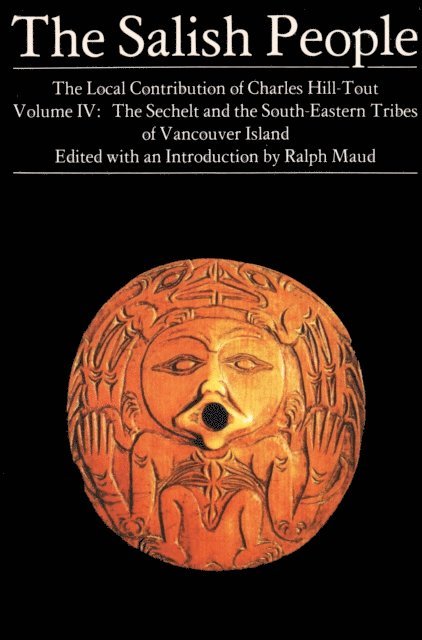
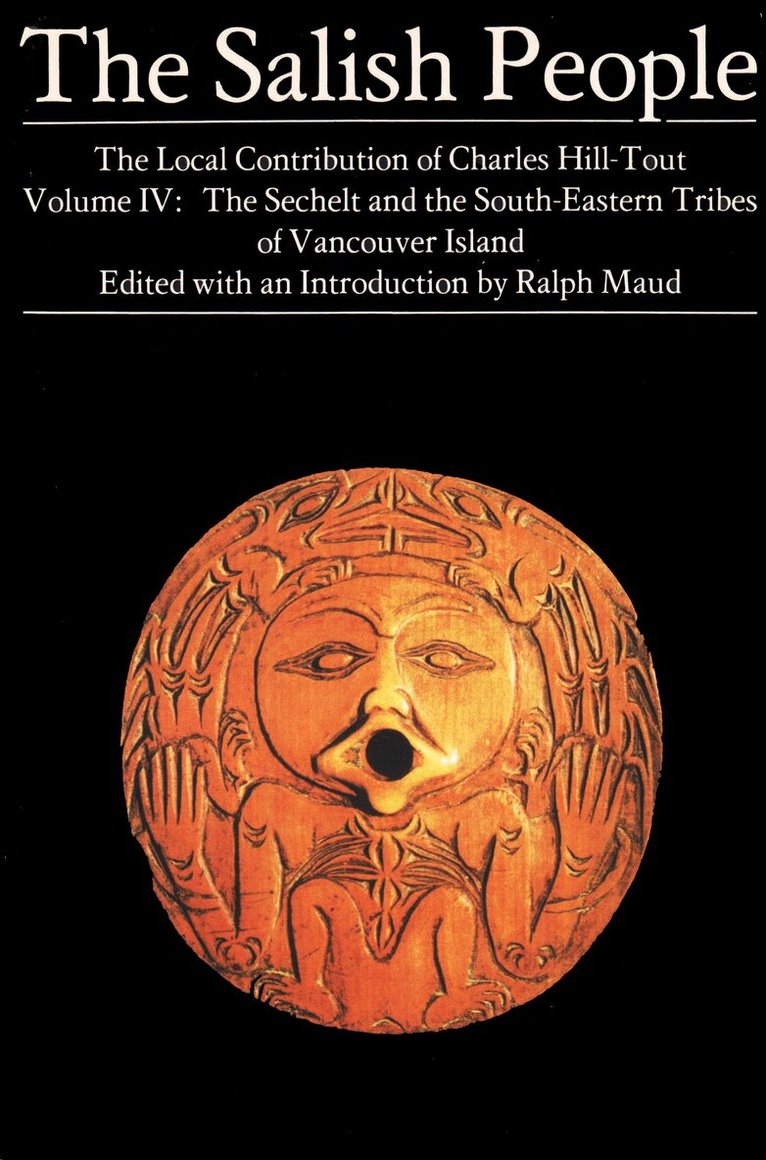
Volume IV of The Salish People deals with the Sechelt and the South-Eastern Tribes of Vancouver Island and includes a bio-bibliography of Charles Hill-Tout, as well as miscellaneous short pieces of special interest, such as letters and a review of Franz Boas’ book about Bella Coola. Marius Barbeau tells the story of a noted English anthropologist arriving in New York in the first years of this century and asking his American colleague who met him at the pier: “Where’s Hill-Tout?” This query, says Barbeau, “was often repeated with a smile among New York anthropologists as characteristic of the British point of view as to the progress of American anthropology.” Ralph Maud’s introduction to this volume finally locates Hill-Tout among his peers. It reveals a man “whose inner dignity is real enough, not something dependent on the opinions of others. It sees him through.”
2 217 kr
Skickas inom 5-8 vardagar
123 kr
Tillfälligt slut
267 kr
Tillfälligt slut
331 kr
Tillfälligt slut
1 512 kr
Tillfälligt slut
172 kr
Tillfälligt slut
134 kr
Tillfälligt slut
211 kr
Tillfälligt slut
204 kr
Tillfälligt slut
178 kr
Tillfälligt slut
130 kr
Tillfälligt slut
138 kr
Tillfälligt slut
143 kr
Tillfälligt slut
189 kr
Tillfälligt slut
185 kr
Tillfälligt slut