
RamA³n Spaaij – författare
891 kr
Läs direkt efter köp
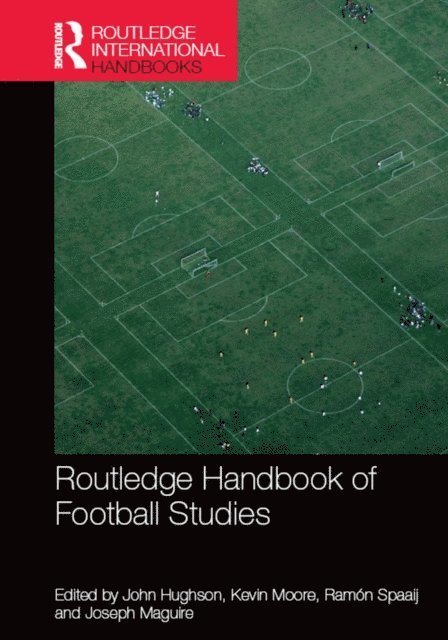
Football is unquestionably the world’s most popular and influential sport. There is no corner of the globe in which the game is not played or followed. More countries are affiliated to FIFA, football’s governing body, than to the United Nations. The sport has therefore become an important component of our social, cultural, political and economic life. The Routledge Handbook of Football Studies is a landmark work of reference, going further than any other book in considering the historical and contemporary significance of football around the world.
Written by a team of leading sport scholars, the book covers a broad range of disciplines from history, sociology, politics and business, to philosophy, law and media studies. The central section of the book examines key themes and issues in football studies, such as the World Cup and international competition, governance and ownership, fandom and celebrity. The concluding section offers in-depth surveys of the culture and organisation of football in each of the regional confederations, from UEFA to CONCACAF.
This book will be fascinating reading for any serious football fan and an essential resource for advanced students or scholars undertaking research in football or sport studies, and any practitioner or policy-maker working in football.
891 kr
Läs direkt efter köp
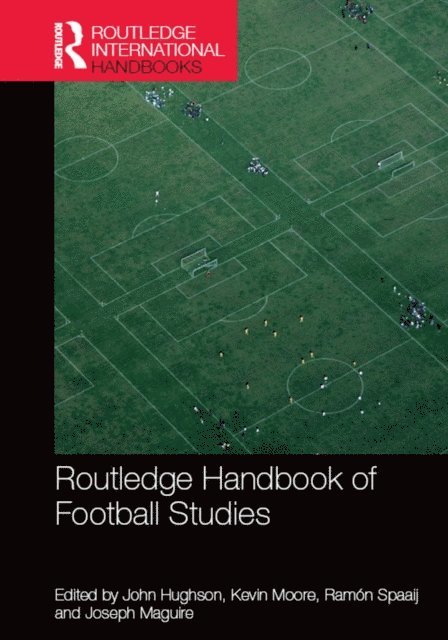
Football is unquestionably the world’s most popular and influential sport. There is no corner of the globe in which the game is not played or followed. More countries are affiliated to FIFA, football’s governing body, than to the United Nations. The sport has therefore become an important component of our social, cultural, political and economic life. The Routledge Handbook of Football Studies is a landmark work of reference, going further than any other book in considering the historical and contemporary significance of football around the world.
Written by a team of leading sport scholars, the book covers a broad range of disciplines from history, sociology, politics and business, to philosophy, law and media studies. The central section of the book examines key themes and issues in football studies, such as the World Cup and international competition, governance and ownership, fandom and celebrity. The concluding section offers in-depth surveys of the culture and organisation of football in each of the regional confederations, from UEFA to CONCACAF.
This book will be fascinating reading for any serious football fan and an essential resource for advanced students or scholars undertaking research in football or sport studies, and any practitioner or policy-maker working in football.
706 kr
Läs direkt efter köp
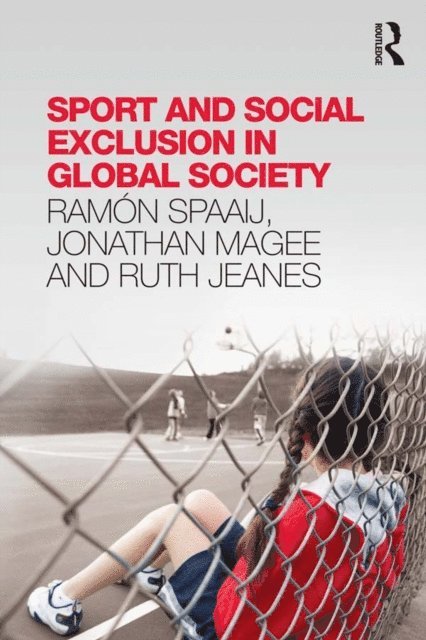
Social exclusion is one of the most pressing challenges in post-industrial societies, encompassing economic, social, cultural and political dimensions. This important new book critically examines the relationship between sport and social exclusion, from global and cross-cultural perspectives.
The book analyses sport and social exclusion by focusing on three key questions:
How does social exclusion affect participation in sport? How is social exclusion (re)produced, experienced, resisted, and managed in sport? How is sport used to combat social exclusion and promote social inclusion in other life domains? To answer these questions, the authors discuss and critically reflect on existing knowledge and in-depth case studies from Europe, Australasia, Africa and Latin America.
The book illuminates the relationship between sport and social exclusion in Global North and Global South contexts, addressing key issues in contemporary social science such as social inequality, worklessness, gender, disability, forced migration, homelessness and mental health. Sport and Social Exclusion in Global Society is important reading for all students, researchers and policy-makers with an interest in sport sociology, sport development, sport management, or the relationship between sport and wider society.
706 kr
Läs direkt efter köp
Social exclusion is one of the most pressing challenges in post-industrial societies, encompassing economic, social, cultural and political dimensions. This important new book critically examines the relationship between sport and social exclusion, from global and cross-cultural perspectives.
The book analyses sport and social exclusion by focusing on three key questions:
How does social exclusion affect participation in sport? How is social exclusion (re)produced, experienced, resisted, and managed in sport? How is sport used to combat social exclusion and promote social inclusion in other life domains? To answer these questions, the authors discuss and critically reflect on existing knowledge and in-depth case studies from Europe, Australasia, Africa and Latin America.
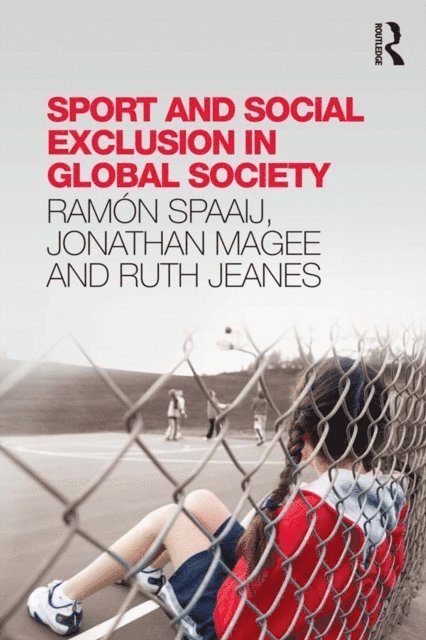
The book illuminates the relationship between sport and social exclusion in Global North and Global South contexts, addressing key issues in contemporary social science such as social inequality, worklessness, gender, disability, forced migration, homelessness and mental health. Sport and Social Exclusion in Global Society is important reading for all students, researchers and policy-makers with an interest in sport sociology, sport development, sport management, or the relationship between sport and wider society.
858 kr
Läs direkt efter köp
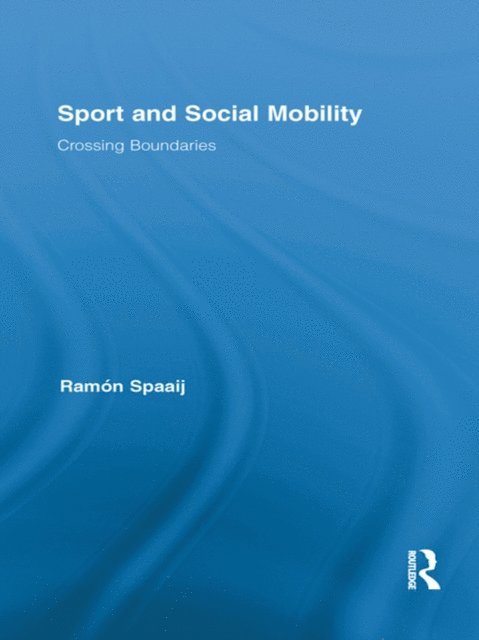
Can sport serve as a vehicle for social mobility of disadvantaged social groups? How and to what extent are different forms of social capital created through sport participation? Sport and Social Mobility: Crossing Boundaries takes up these questions through a critical examination of the ways in which sport facilitates or inhibits upward social mobility.
Drawing on four case studies, the book provides a rich sociological analysis of people’s lived experiences of sport in diverse social, cultural and political contexts, ranging from sport-for-development programs in Brazil and the Netherlands to rural communities and the Somali diaspora in Australia. The first international comparison of and critical reflection on the relationship between social mobility and participation in non-professional sport, this book will be essential reading for anyone interested in sport’s potential for social inclusion.
858 kr
Läs direkt efter köp
Can sport serve as a vehicle for social mobility of disadvantaged social groups? How and to what extent are different forms of social capital created through sport participation? Sport and Social Mobility: Crossing Boundaries takes up these questions through a critical examination of the ways in which sport facilitates or inhibits upward social mobility.
Drawing on four case studies, the book provides a rich sociological analysis of people’s lived experiences of sport in diverse social, cultural and political contexts, ranging from sport-for-development programs in Brazil and the Netherlands to rural communities and the Somali diaspora in Australia. The first international comparison of and critical reflection on the relationship between social mobility and participation in non-professional sport, this book will be essential reading for anyone interested in sport’s potential for social inclusion.