Ravi Dutt Bajpai – författare
Visar alla böcker från författaren Ravi Dutt Bajpai. Handla med fri frakt och snabb leverans.
5 produkter
5 produkter
E-bok
PDF, Engelska, 20251 467 kr
Läs direkt efter köp
Inbunden, Engelska, 2025
1 210 kr
Skickas inom 7-10 vardagar
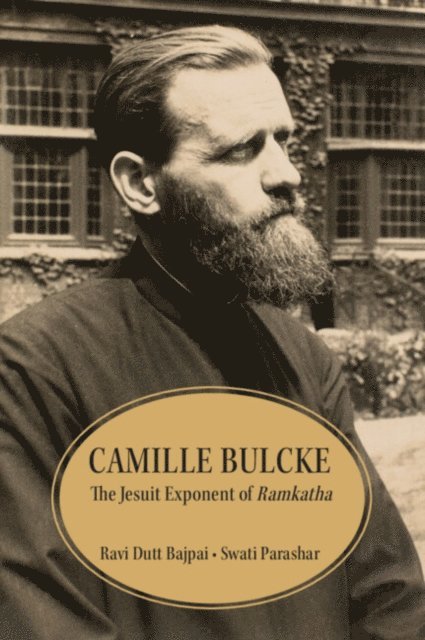
This is the first English biography of the Belgian Jesuit, Padma Bhushan recipient and renowned scholar of Hindi, Awadhi and Sanskrit: Father Camille Bulcke (1909–1982). Father Bulcke came to India when it was still a British colony, found spiritual inspiration in the life and compositions of the great Indian poet Goswami Tulsidas, and emerged as one of the renowned exponents of the Ramkatha (The Story of Rama) and the Hindi language. This book attempts to read and critically examine his life, while also analysing his writings on comparative religious studies. In doing so, it provides a brief overview of the world of Hindi literature and its development in postcolonial India through the contributions of Father Bulcke, and highlights the cultural and religious encounters between the West and the East, Europe and India, Christianity and Hinduism.
Inbunden, Engelska, 2024
1 170 kr
Skickas inom 5-8 vardagar
E-bok
Engelska, 20241 241 kr
Läs direkt efter köp
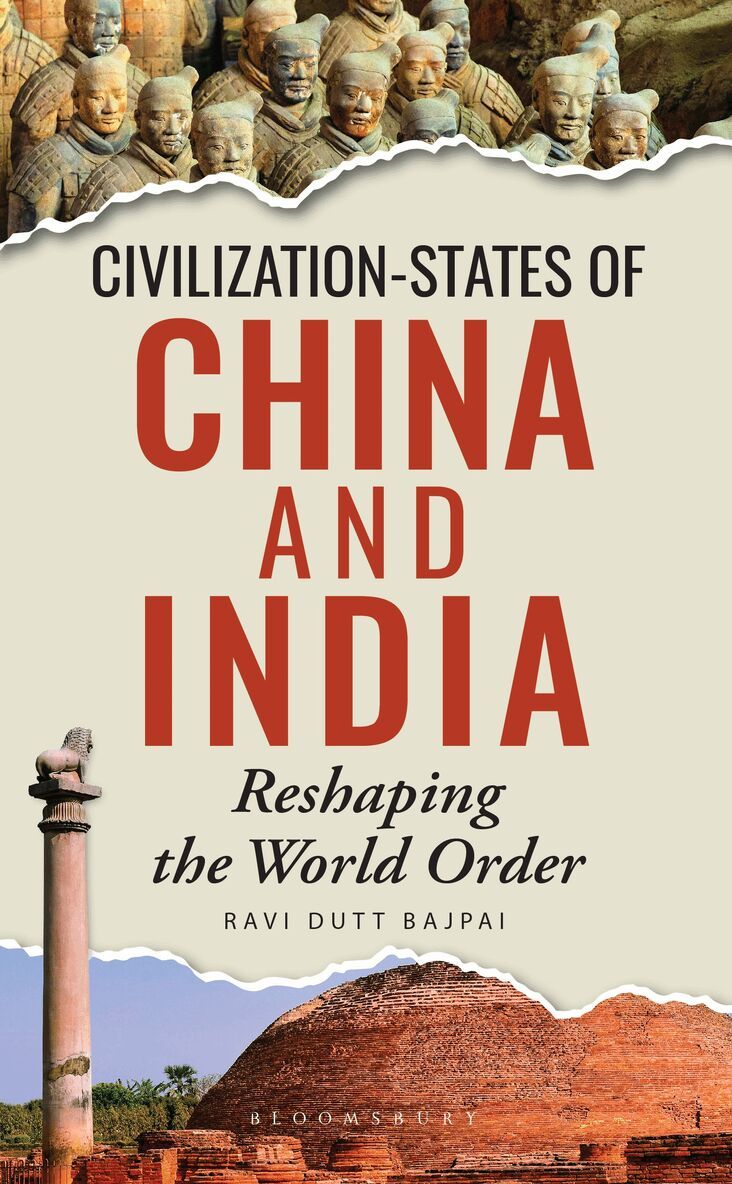
Ravi Dutt Bajpai examines some of the pivotal episodes in the modern history of China and India to argue that their behaviours reflect the self-identity of a civilization-state. The book starts from the progression of China and India into putatively modern polities during the colonial period, as the two indigenous societies imagined their national identities and nationalist aspirations primarily by contrasting their civilizational attributes with the Western colonial occupiers. As newly independent nation-states, both believed that their international status flowed from their civilizational glories. Therefore, despite their material and institutional fragility, China and India decided to pursue complete autonomy to manage their domestic and foreign affairs. Indian Prime Minister Nehru''s policy of non-alignment, envisioning an alternate world order beyond the great power competition, was inspired by Indian civilizational ethos. The book also examines the Sino-Indian war of 1962 from a civilization-state perspective and argues that Tibet represented a conflict of civilizational influence.Chapters also explore some of the more recent developments, such as the Indian nuclear test of 1998, China''s ambitious Belt and Road (BRI) infrastructure project aimed at reviving the ancient Silk Road, and India''s campaign to regain its civilizational status of Vishwa Guru, as the continued manifestations of the two civilization-states endeavouring to regain their past glories in the contemporary world.
E-bok
PDF, Engelska, 20231 286 kr
Läs direkt efter köp
Ravi Dutt Bajpai examines some of the pivotal episodes in the modern history of China and India to argue that their behaviours reflect the self-identity of a civilization-state. The book starts from the progression of China and India into putatively modern polities during the colonial period, as the two indigenous societies imagined their national identities and nationalist aspirations primarily by contrasting their civilizational attributes with the Western colonial occupiers. As newly independent nation-states, both believed that their international status flowed from their civilizational glories. Therefore, despite their material and institutional fragility, China and India decided to pursue complete autonomy to manage their domestic and foreign affairs. Indian Prime Minister Nehru''s policy of non-alignment, envisioning an alternate world order beyond the great power competition, was inspired by Indian civilizational ethos. The book also examines the Sino-Indian war of 1962 from a civilization-state perspective and argues that Tibet represented a conflict of civilizational influence.Chapters also explore some of the more recent developments, such as the Indian nuclear test of 1998, China''s ambitious Belt and Road (BRI) infrastructure project aimed at reviving the ancient Silk Road, and India''s campaign to regain its civilizational status of Vishwa Guru, as the continued manifestations of the two civilization-states endeavouring to regain their past glories in the contemporary world.