Ray Fisman – författare
Visar alla böcker från författaren Ray Fisman. Handla med fri frakt och snabb leverans.
17 produkter
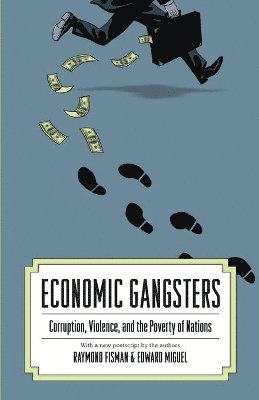
Economic Gangsters
Corruption, Violence, and the Poverty of Nations
Häftad, 2010
275 kr
Lägg i varukorg
Meet the economic gangster. He's the United Nations diplomat who double-parks his Mercedes on New York City streets at rush hour because the cops can't touch him--he has diplomatic immunity. He's the Chinese smuggler who dodges tariffs by magically transforming frozen chickens into frozen turkeys. …
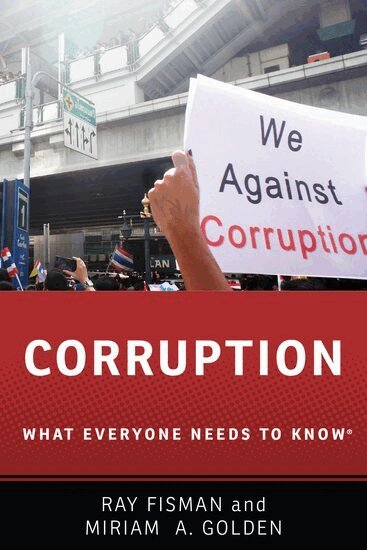
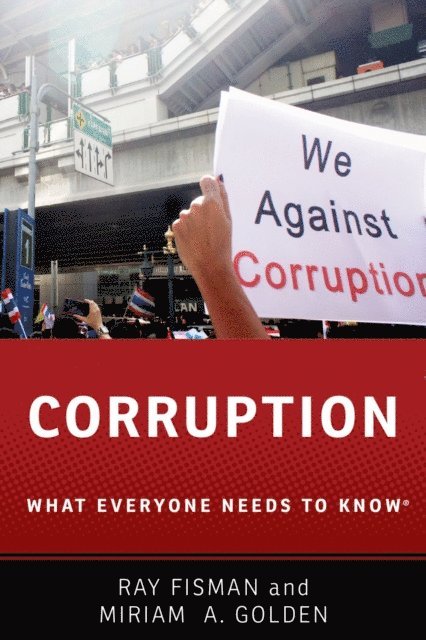
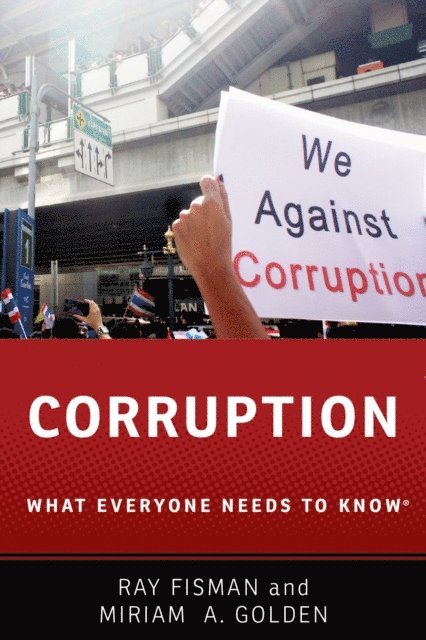
Corruption
What Everyone Needs to Know®
Av Ray Fisman, Miriam A. Golden
Häftad, 2017
194 kr
Lägg i varukorg
Corruption regularly makes front page headlines: public officials embezzling government monies, selling public offices, and trading bribes for favors to private companies generate public indignation and calls for reform. In Corruption: What Everyone Needs to Know®, renowned scholars Ray Fisman and …
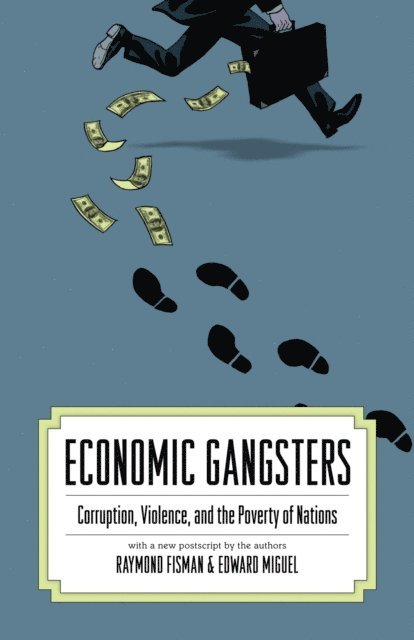
Economic Gangsters
Corruption, Violence, and the Poverty of Nations
E-bok, 2010
279 kr
Lägg i varukorg
Getting inside the heads of the developing world’s dictators, warlords, and corrupt politicians Meet the economic gangster. He''s the United Nations diplomat who double-parks his Mercedes on New York City streets at rush hour because the cops can''t touch him—he has diplomatic immunity. He''s the …
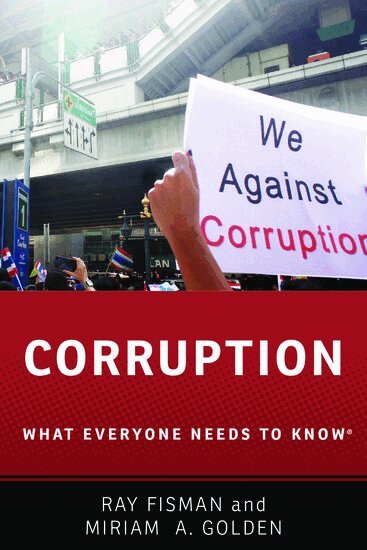
Corruption
What Everyone Needs to Know®
Av Ray Fisman, Miriam A. Golden
Inbunden, 2017
846 kr
Lägg i varukorg
Corruption regularly makes front page headlines: public officials embezzling government monies, selling public offices, and trading bribes for favors to private companies generate public indignation and calls for reform. In Corruption: What Everyone Needs to Know®, renowned scholars Ray Fisman and …
Corruption
What Everyone Needs to Know®
Av Miriam A. Golden, Ray Fisman
E-bok, 2017
112 kr
Lägg i varukorg
Corruption regularly makes front page headlines: public officials embezzling government monies, selling public offices, and trading bribes for favors to private companies generate public indignation and calls for reform. In Corruption: What Everyone Needs to Know ®, renowned scholars Ray Fisman and …
Corruption
What Everyone Needs to Know®
Av Miriam A. Golden, Ray Fisman
E-bok, 2017
110 kr
Lägg i varukorg
Corruption regularly makes front page headlines: public officials embezzling government monies, selling public offices, and trading bribes for favors to private companies generate public indignation and calls for reform. In Corruption: What Everyone Needs to Know ®, renowned scholars Ray Fisman and …
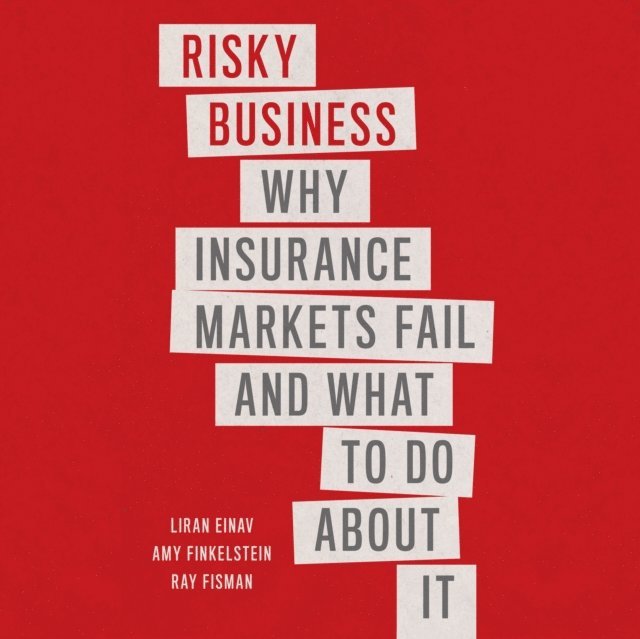
Risky Business
Why Insurance Markets Fail and What to Do About It
Av Liran Einav, Amy Finkelstein m. fl.
Häftad, 2023
184 kr
Lägg i varukorg
An engaging and accessible examination of what ails insurance markets—and what to do about it—by three leading economists“The authors . . . do a masterful job of explaining the intractable complexities created by this socially vital activity.”—Martin Wolf, Financial Times, “Best Books of 2022: …
Model Company
The Economics of Making Business Do the Greatest Good
Av Ray Fisman
Inbunden, 2027
273 kr
Kommande
What works—and what doesn’t—when companies try to do goodCan companies really be “socially responsible”—and should they try? This debate is newly urgent as consumers, employees, and investors push companies to take a stand on everything from climate change to inequality. In this lively and …
Org
The Underlying Logic of the Office - Updated Edition
E-bok, 2015
221 kr
Lägg i varukorg
We create organizations because we need to get a job done—something we couldn''t do alone—and join them because we’re inspired by their missions (and our paycheck). But once we’re inside, these organizations rarely feel inspirational. So where did it all go wrong? In The Org , Ray Fisman and Tim …
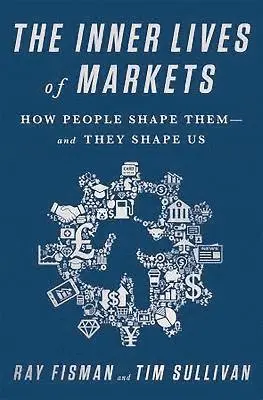
Inner Lives of Markets
How People Shape Them – And They Shape Us
Häftad, 2017
147 kr
Lägg i varukorg
What is a market? To most people it is a shopping center or an abstract space in which stock prices vary minutely. In reality, a market is something much more fundamental to being human, and it affects not just the price of tomatoes but the boundaries of everything we value.Reading the newspapers …
Inner Lives of Markets
How People Shape Them – And They Shape Us
E-bok, 2016
44 kr
Lägg i varukorg
''...a quick, and exceedingly engaging, tour of economic history...'' Financial Times What is a market? To most people it is a shopping center or an abstract space in which stock prices vary minutely. In reality, a market is something much more fundamental to being human, and it affects not just …
Inner Lives of Markets
How People Shape Them And They Shape Us
Inbunden, 2016
244 kr
Lägg i varukorg
America's economic revolution isn't just driven by technology. It's about markets.The past twenty-five years have witnessed a remarkable shift in how we get the stuff we want. If you've ever owned a business, rented an apartment, or shopped online, you've had a front-row seat for this …
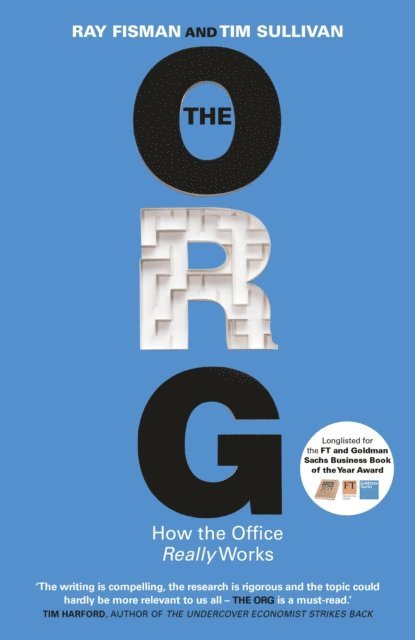
The Org
How The Office Really Works
Häftad, 2014
283 kr
Lägg i varukorg
Why do members of Al Qaeda have to submit travel and expense reports?How do you create incentives for policemen, or priests?What are managers good for?We create organizations because they are an efficient way of doing something we couldn't do alone. We join organizations because we are inspired by …
Org
How The Office Really Works
E-bok, 2014
43 kr
Lägg i varukorg
Why do members of Al Qaeda have to submit travel and expense reports? How do you create incentives for policemen, or priests? What are managers good for? We create organizations because they are an efficient way of doing something we couldn''t do alone. We join organizations because we are inspired …
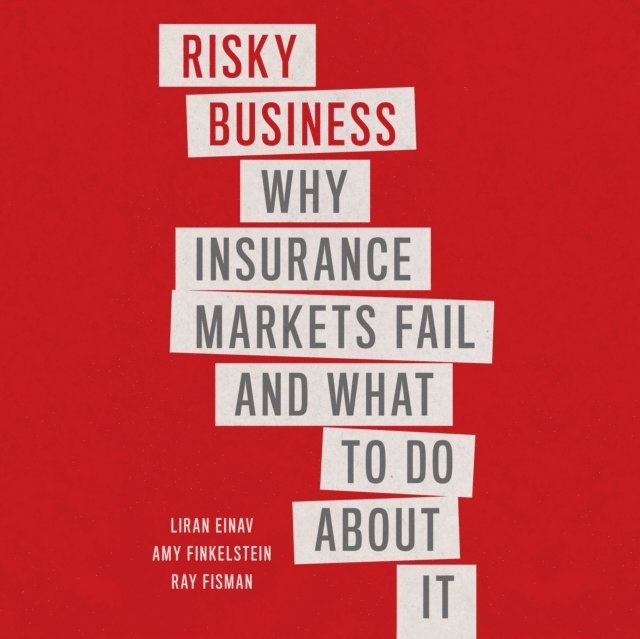
Risky Business
Why Insurance Markets Fail and What to Do About It
Av Ray Fisman, Amy Finkelstein m. fl.
Ljudbok, 2023
729 kr
Lägg i varukorg
An engaging and accessible examination of what ails insurance markets—and what to do about it—by three leading economists Why is dental insurance so crummy? Why is pet insurance so expensive? Why does your auto insurer ask for your credit score? The answer to these questions lies in understanding …
Risky Business
Why Insurance Markets Fail and What to Do About It
Av Ray Fisman, Amy Finkelstein m. fl.
Ljudbok, 2023
253 kr
Lägg i varukorg
An engaging and accessible examination of what ails insurance markets—and what to do about it—by three leading economists Why is dental insurance so crummy? Why is pet insurance so expensive? Why does your auto insurer ask for your credit score? The answer to these questions lies in understanding …