Raymond Callahan - Böcker
Visar alla böcker från författaren Raymond Callahan. Handla med fri frakt och snabb leverans.
3 produkter
3 produkter
657 kr
Skickas inom 7-10 vardagar
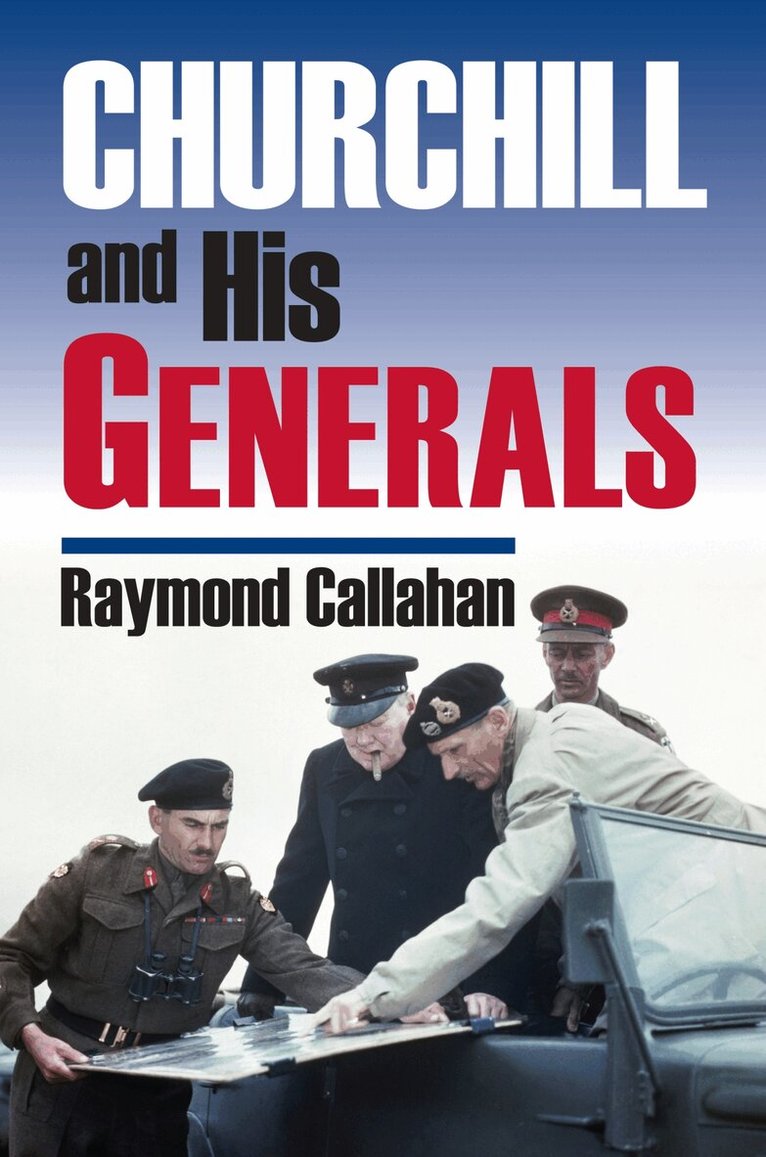
On the eve of World War II, the British army was more an international police force than a true combat-ready fighting machine. Raymond Callahan chronicles its trial-by-fire transformation in a new and unflinching look at Great Britain's top commanders in the field. Callahan reexamines the much-maligned performance of the British army in that war by reevaluating its commanders' victories and defeats, their leadership abilities and flaws, and their often rocky relationships with Prime Minister Winston Churchill, whose powerful presence looms over every page. Revisiting wartime theaters stretching from Southeast Asia across India through the Middle East, into North Africa, and across Europe, Callahan revises and expands our understanding of how British commanders - both the best and worst - led their troops and executed their strategies. Callahan explores the way Churchill, with his own ideas about the army's goals and concerned about the precariousness of his political fortunes, dealt with his generals, who often held views different from his own. He probes the relationship between Churchill's political goals and war aims, the army's capabilities, and its generals' battlefield performance, while assessing the roles of such leaders as Alan Brooke, Bernard Montgomery, Archibald Wavell, Claude Auchinleck, and Harold Alexander. He also reveals why William Slim should be regarded as the outstanding British commander of the war and Britain's best field commander since Wellington - and how other generals such as Neil Richie, Henry Wilson, and Oliver Leese exemplify the role of chance in history. Past criticism has tended to ignore both the obstacles confronting the army and its dramatic improvement by war's end. Callahan sets that record straight while offering insight into the evolution of the British wartime army within the contexts of coalition warfare, the constraints of a far-flung Empire, and Churchill's political concerns and desire to retain a British presence on the world stage. He considers problems posed by manpower, training, doctrine, equipment, and new military technologies and strategies as the army faced a multifront global war that pushed an already overextended fighting force nearly to the breaking point. ""Churchill and His Generals"" is the most comprehensive analysis of this wartime relationship, an account of institutional transformation under extreme stress that balances Churchill's own self-serving memoirs. It clearly demonstrates that what political leaders demand from their armies is less important than what those armies are designed to do - and that this oft-recurring disconnect lies at the root of much wartime civil-military tension.
607 kr
Skickas inom 7-10 vardagar
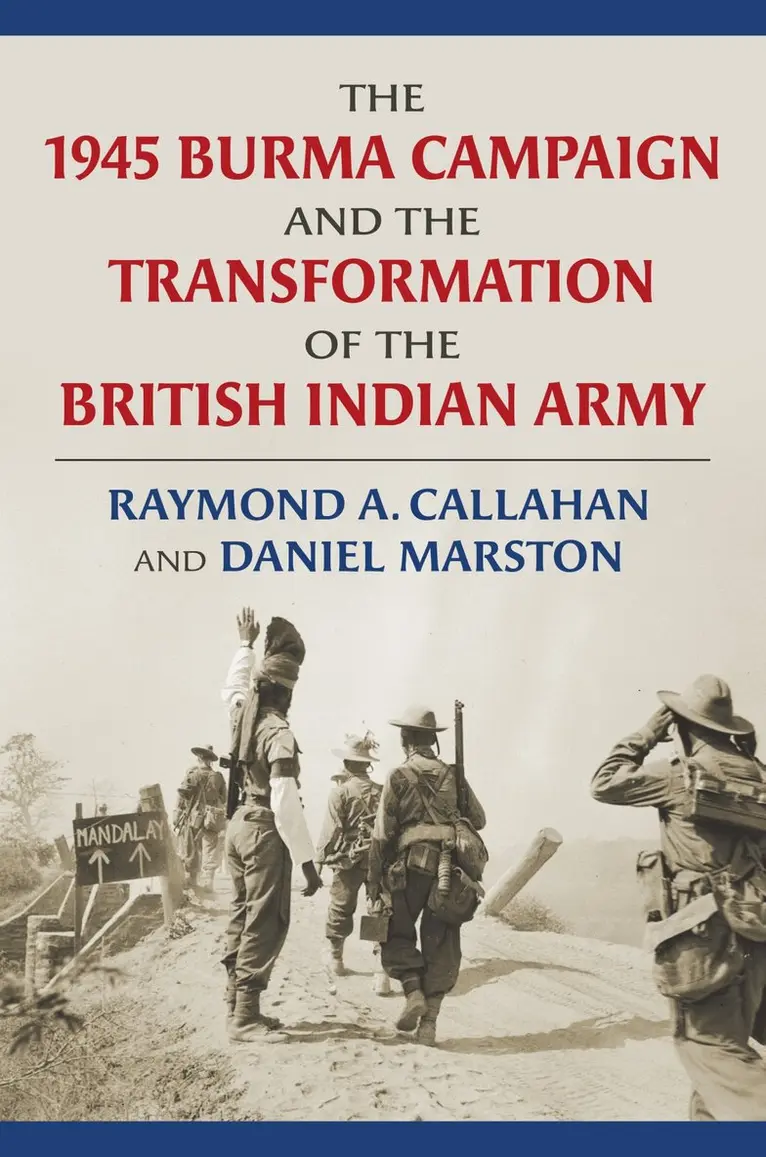
In 1945, the Indian British XIV Army inflicted on the Imperial Japanese Army in Burma the worst defeat in its history. That campaign, the most brilliant and original operational maneuver conducted by any British general in the twentieth century, largely forgotten until now, is a full and fresh account utilizing a full range of materials, from personal accounts to archival holdings-including the bits the official historians left out, such as the attempt by a jealous British Guards officer to have Slim sacked at the conclusion of the campaign.After the retreat from Burma in 1942, Lieutenant General Sir William Slim, commander of the British XIV Army, played a crucial role in the remarkable military renaissance that transformed the Indian Army and then, with that reborn army, won two defensive battles in 1944, and in the 1945 campaign shredded his Japanese opponents. Behind this dramatic story was another: the war marked the effective end of the Raj. This great transformation was, of course, brought about by many factors but not the least of them was the 'Indianization' of the Indian Army's officer corps under the pressure of war. As Slim's great victory signposted the change from the army Kipling knew to a modern army with a growing number of Indian officers, the praetorian guard of the Raj evaporated. 'Every Indian officer worth his salt is a nationalist,' the Indian Army's commander-in-chief, Claude Auchinleck, said as the XIV Army took Rangoon.The Burma campaign may not have contributed in a major fashion to the final defeat of Japan, but it was of first-rate importance in the transformation of South Asia, as well as underlining the continuing importance of inspired leadership in complex human endeavors.
Del 14 - War & Military Culture in South Asia 1757-1947
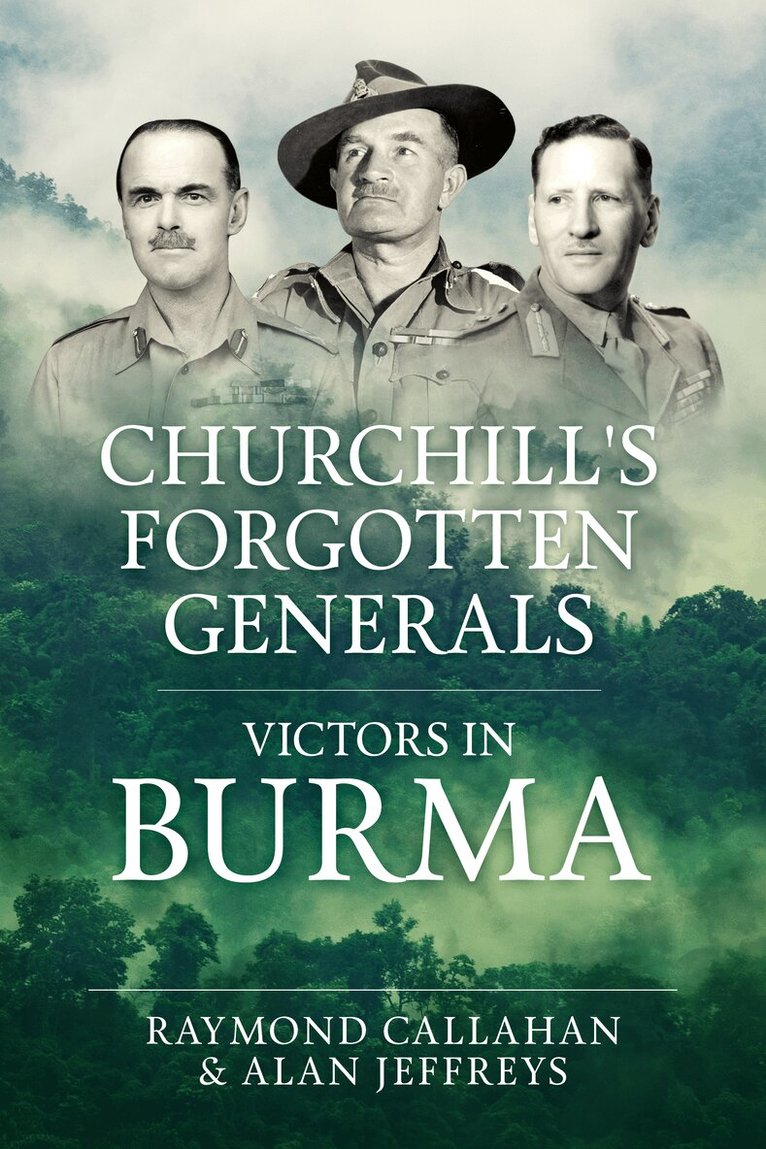
Churchill's Forgotten Generals
Victors in Burma
Inbunden, Engelska, 2025
327 kr
Skickas