Raymond Lifchez – författare
Visar alla böcker från författaren Raymond Lifchez. Handla med fri frakt och snabb leverans.
3 produkter
3 produkter
487 kr
Skickas inom 5-8 vardagar
Rethinking Architecture: Design Students and Physically Disabled People by Raymond Lifchez examines how architectural education can be reshaped by engaging directly with the experiences of physically disabled people. The book grows out of an experimental studio project at the University of California, Berkeley, in which disabled consultants worked alongside students to challenge assumptions about clients, space, and design. Instead of treating accessibility as a checklist of technical requirements, the project emphasized empathy, collaboration, and the recognition of clients as complex individuals with specific needs, aspirations, and everyday lives. Through narratives, conflicts, and candid encounters, the volume demonstrates how architecture can either marginalize or empower, and how education can be a vehicle for cultivating sensitivity and responsibility in future practitioners.The book critiques the architectural profession’s reliance on generic building types and codified standards, arguing that such approaches often institutionalize neglect by privileging expediency, market demands, and bureaucratic convenience over lived experience. By juxtaposing multiple perspectives—students, faculty, disabled consultants, and outside observers—*Rethinking Architecture* presents a nuanced account of both the possibilities and the tensions inherent in teaching design with disability at its center. It underscores how architecture reflects societal values, often celebrating what is considered acceptable while concealing or excluding what is not. In turning students toward the realities of disability, the project revealed architecture’s potential to be genuinely enabling: to expand movement, perception, and dignity, while fostering new forms of partnership between architect and client. The result is both a critique of traditional pedagogy and a call for design rooted in human diversity and shared vulnerability.This title is part of UC Press's Voices Revived program, which commemorates University of California Press’s mission to seek out and cultivate the brightest minds and give them voice, reach, and impact. Drawing on a backlist dating to 1893, Voices Revived makes high-quality, peer-reviewed scholarship accessible once again using print-on-demand technology. This title was originally published in 1987.
786 kr
Skickas inom 5-8 vardagar
Rethinking Architecture: Design Students and Physically Disabled People by Raymond Lifchez examines how architectural education can be reshaped by engaging directly with the experiences of physically disabled people. The book grows out of an experimental studio project at the University of California, Berkeley, in which disabled consultants worked alongside students to challenge assumptions about clients, space, and design. Instead of treating accessibility as a checklist of technical requirements, the project emphasized empathy, collaboration, and the recognition of clients as complex individuals with specific needs, aspirations, and everyday lives. Through narratives, conflicts, and candid encounters, the volume demonstrates how architecture can either marginalize or empower, and how education can be a vehicle for cultivating sensitivity and responsibility in future practitioners.The book critiques the architectural profession’s reliance on generic building types and codified standards, arguing that such approaches often institutionalize neglect by privileging expediency, market demands, and bureaucratic convenience over lived experience. By juxtaposing multiple perspectives—students, faculty, disabled consultants, and outside observers—*Rethinking Architecture* presents a nuanced account of both the possibilities and the tensions inherent in teaching design with disability at its center. It underscores how architecture reflects societal values, often celebrating what is considered acceptable while concealing or excluding what is not. In turning students toward the realities of disability, the project revealed architecture’s potential to be genuinely enabling: to expand movement, perception, and dignity, while fostering new forms of partnership between architect and client. The result is both a critique of traditional pedagogy and a call for design rooted in human diversity and shared vulnerability.This title is part of UC Press's Voices Revived program, which commemorates University of California Press’s mission to seek out and cultivate the brightest minds and give them voice, reach, and impact. Drawing on a backlist dating to 1893, Voices Revived makes high-quality, peer-reviewed scholarship accessible once again using print-on-demand technology. This title was originally published in 1987.
304 kr
Kommande
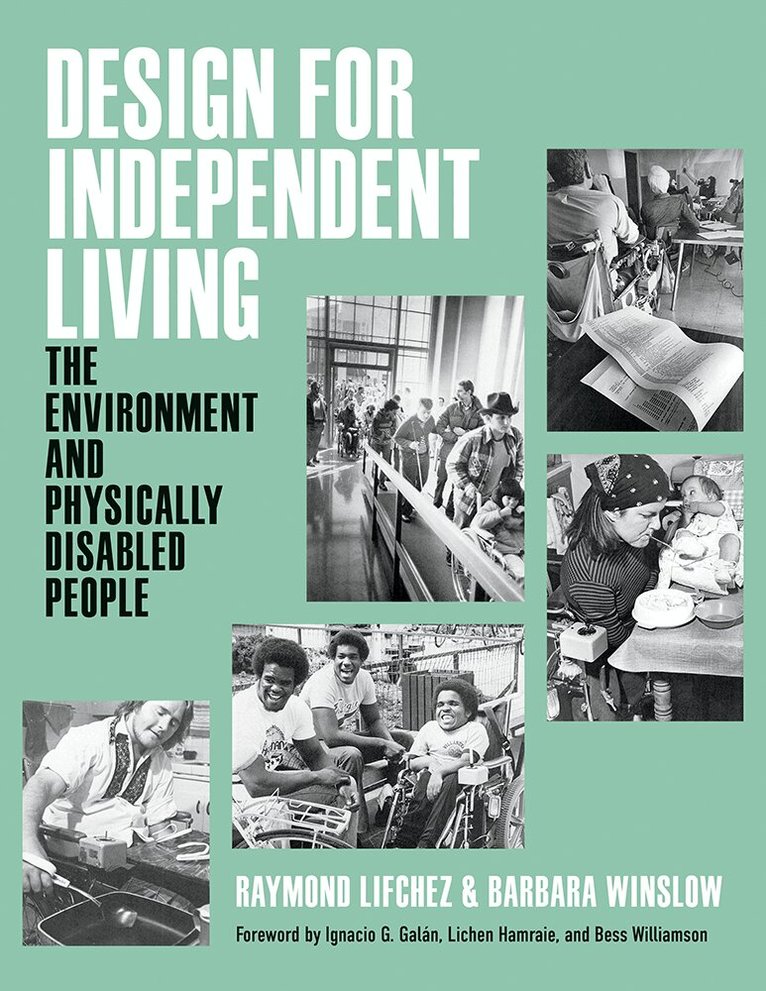
Using lived experience to guide accessible designIn 1979, University of California architecture professors Raymond Lifchez and Barbara Winslow published this account of ongoing collaborations with members of a robust disability community in Berkeley, California. In the first attempt by architects to know disabled people and to design from their perspective, they employed an empathetic approach that differed from typical accessible design guidelines.Instead of presenting architectural designs to resolve existing barriers, Design for Independent Living turns to disabled people to tell their own stories through interviews and photographs of their own homes, workplaces, and lives in public. The disabled informants of the project were members of the Independent Living movement – the activists who shaped the disability rights movement in the late twentieth century in the United States – and their contributions demonstrate the necessity of liberating design from ableist, restrictive ways of thinking about personal and public life.Now with a new introduction by three scholars of design and disability history, Design for Independent Living is an indispensable resource for architecture and design experts who seek a socially informed practice that looks to the people most affected by design to understand its potentials and its shortcomings.Retail e-book files for this title are screen-reader friendly with images accompanied by short alt text and/or extended descriptions.