Raymond Tallis – författare
Visar alla böcker från författaren Raymond Tallis. Handla med fri frakt och snabb leverans.
57 produkter
Circling Round Explicitness
The Heart of the Mystery of Human Being
Inbunden, 2025
1265 kr
Lägg i varukorg
Explicitness is one of the fundamental mysteries in which our lives are wrapped. Our capacity, as conscious subjects, to make things explicit, so that what-is presents itself as “that-it-is” or “that-it-is-the-case” is at the heart of the mystery of human being.Circling Round Explicitness is an …
On the Edge of Certainty
Philosophical Explorations
E-bok, 1999
572 kr
Lägg i varukorg
Raymond Tallis''s The Explicit Animal (1991) was a passionate attack on attempts to explain human consciousness in purely biological terms. This ground-breaking book defended the distinctive nature of human consciousness against the misrepresentations of those many philosophers and cognitive …
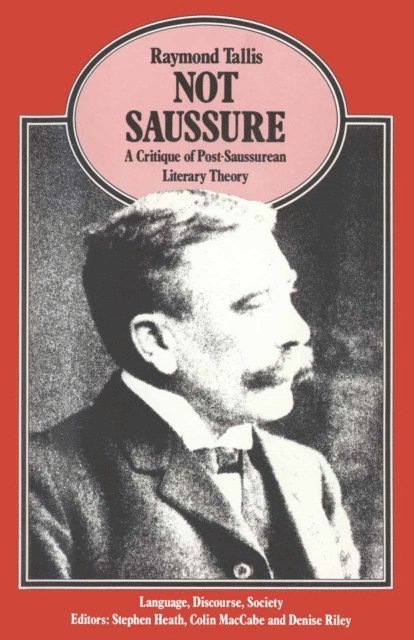
Not Saussure
A Critique of Post-Saussurean Literary Theory
Häftad, 1995
886 kr
Lägg i varukorg
This work subjects the fundamental ideas of Derrida, Lacan, Barthes and their followers to an examination and demonstrates the baselessness of post-Saussurean claims about the relations between language, reality and self.
On the Edge of Certainty
Philosophical Explorations
Häftad, 1999
443 kr
Lägg i varukorg
Raymond Tallis's The Explicit Animal (1991) was a passionate attack on attempts to explain human consciousness in purely biological terms. This ground-breaking book defended the distinctive nature of human consciousness against the misrepresentations of those many philosophers and cognitive …
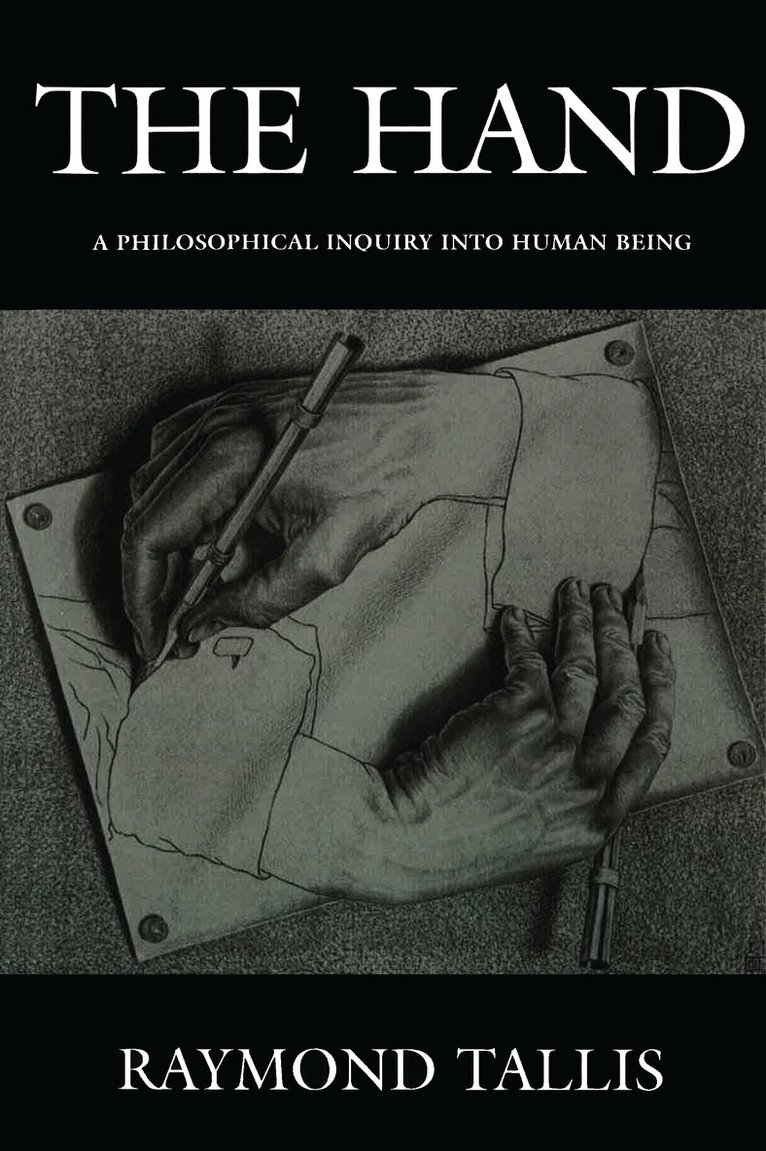
Hand
A Philosophical Inquiry into Human Being
Häftad, 2003
410 kr
Lägg i varukorg
What are the origins of human difference? The Hand, which is the first part of a bold philosophical inquiry into the nature of the difference between human beings and other animals, argues that it is the result of a complex sequence of events which began several million years ago with the evolution …
Knowing Animal
A Philosophical Inquiry into Knowledge and Truth
Häftad, 2004
444 kr
Lägg i varukorg
In The Hand, the first volume of his trilogy, Raymond Tallis looked at how humans have overcome the constraints of biology. The second volume, I Am, focused on two crucial aspects of the escape from being a mere organism: selfhood and agency. This, the final volume in the trilogy, argues that …
Enduring Significance of Parmenides
Unthinkable Thought
Inbunden, 2007
2267 kr
Lägg i varukorg
Parmenides of Elea is widely regarded as the most important of the Presocratic philosophers and one of the most influential thinkers of all time. He is famous, or notorious, for asserting that change, movement, generation and perishing are illusions arising from our senses, that past and future do …
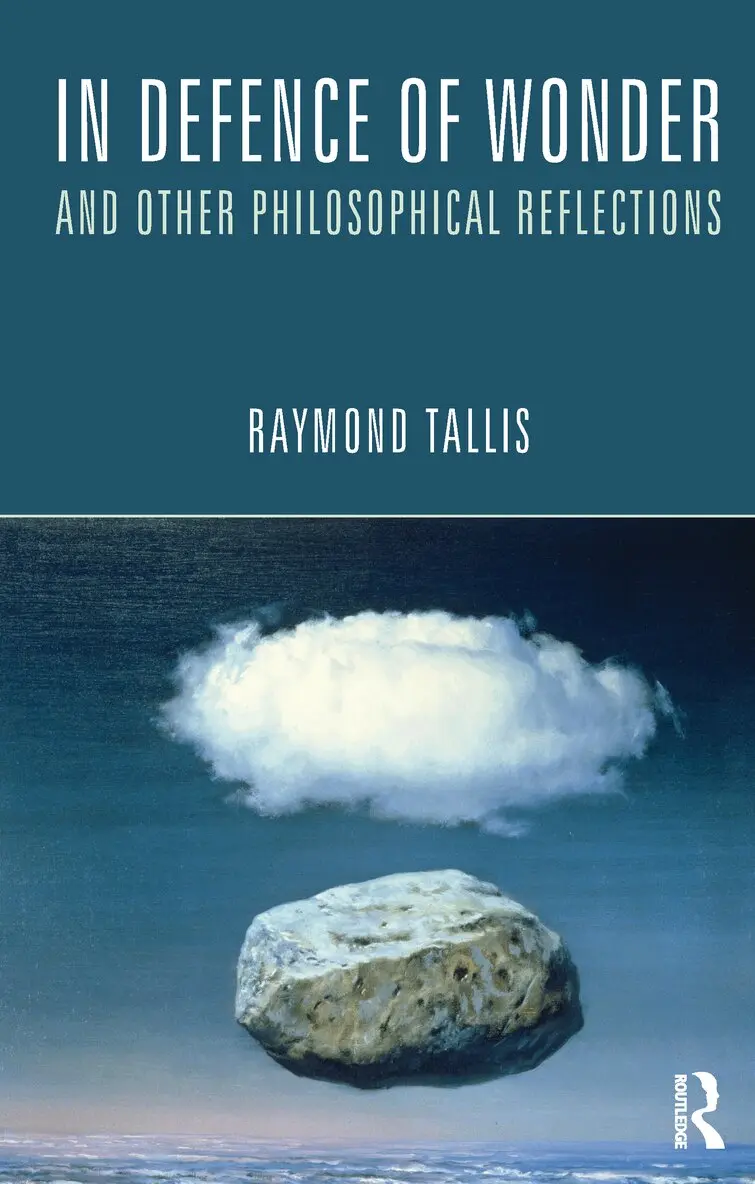
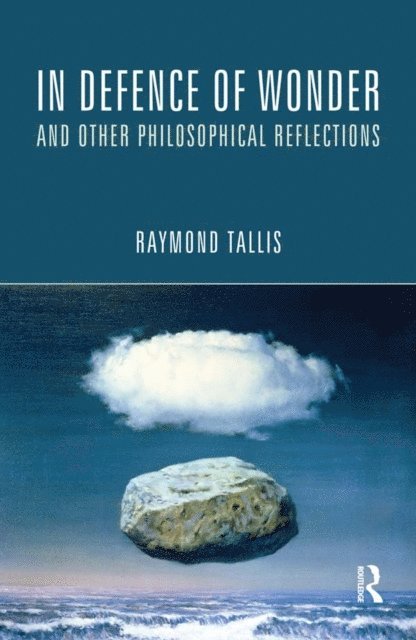
In Defence of Wonder and Other Philosophical Reflections
Inbunden, 2016
2512 kr
Lägg i varukorg
In these lively and provocative essays, philosopher, polymath and all-round intellectual heavyweight, Raymond Tallis debunks commonplace truths, exposes woolly thinking and pulls the rug from beneath a wide range of commentator whether scientist, theologian, philosopher or pundit. Tallis takes to …
Reflections of a Metaphysical Flaneur
and Other Essays
Inbunden, 2016
2512 kr
Lägg i varukorg
These essays from one of our most stimulating thinkers showcase Tallis's infectious fascination, indeed intoxication, with the infinite complexity of human lives and the human condition. In the title essay, we join Tallis on a stroll around his local park - and the intricate passages of his own …
Epimethean Imaginings
Philosophical and Other Meditations on Everyday Light
Inbunden, 2016
2512 kr
Lägg i varukorg
These essays, written in the spirit of Goethe’s Epimetheus who "traces the quick deed to the dim realm of form-combining possibilities", display the depth and breadth of Tallis’s fascination with our lives. Whether discussing philosophical "hardy perennials" like time, or a mundane artefact like …
Hunger
Inbunden, 2016
2512 kr
Lägg i varukorg
Understanding hunger is the key to understanding ourselves. While they seem the most obvious things about us, our hungers are also deeply mysterious, arising out of, and casting light on, the unique character of human consciousness. In humans, physiological need is transformed into a multitude of …
Aping Mankind
Häftad, 2016
327 kr
Lägg i varukorg
Neuroscience has made astounding progress in the understanding of the brain. What should we make of its claims to go beyond the brain and explain consciousness, behaviour and culture? Where should we draw the line? In this brilliant critique Raymond Tallis dismantles "Neuromania", arising out of …
Aping Mankind
E-bok, 2016
329 kr
Lägg i varukorg
Neuroscience has made astounding progress in the understanding of the brain. What should we make of its claims to go beyond the brain and explain consciousness, behaviour and culture? Where should we draw the line? In this brilliant critique Raymond Tallis dismantles "Neuromania", arising out of …
Aping Mankind
E-bok, 2016
329 kr
Lägg i varukorg
Neuroscience has made astounding progress in the understanding of the brain. What should we make of its claims to go beyond the brain and explain consciousness, behaviour and culture? Where should we draw the line? In this brilliant critique Raymond Tallis dismantles "Neuromania", arising out of …
Hunger
E-bok, 2014
658 kr
Lägg i varukorg
Understanding hunger is the key to understanding ourselves. While they seem the most obvious things about us, our hungers are also deeply mysterious, arising out of, and casting light on, the unique character of human consciousness. In humans, physiological need is transformed into a multitude of …
Hunger
E-bok, 2014
658 kr
Lägg i varukorg
Understanding hunger is the key to understanding ourselves. While they seem the most obvious things about us, our hungers are also deeply mysterious, arising out of, and casting light on, the unique character of human consciousness. In humans, physiological need is transformed into a multitude of …
Epimethean Imaginings
Philosophical and Other Meditations on Everyday Light
E-bok, 2014
364 kr
Lägg i varukorg
These essays, written in the spirit of Goethe’s Epimetheus who "traces the quick deed to the dim realm of form-combining possibilities", display the depth and breadth of Tallis’s fascination with our lives. Whether discussing philosophical "hardy perennials" like time, or a mundane artefact …
Epimethean Imaginings
Philosophical and Other Meditations on Everyday Light
E-bok, 2014
364 kr
Lägg i varukorg
These essays, written in the spirit of Goethe’s Epimetheus who "traces the quick deed to the dim realm of form-combining possibilities", display the depth and breadth of Tallis’s fascination with our lives. Whether discussing philosophical "hardy perennials" like time, or a mundane artefact …
Reflections of a Metaphysical Flaneur
and Other Essays
E-bok, 2014
762 kr
Lägg i varukorg
These essays from one of our most stimulating thinkers showcase Tallis''s infectious fascination, indeed intoxication, with the infinite complexity of human lives and the human condition. In the title essay, we join Tallis on a stroll around his local park - and the intricate passages of his own …
Reflections of a Metaphysical Flaneur
and Other Essays
E-bok, 2014
762 kr
Lägg i varukorg
These essays from one of our most stimulating thinkers showcase Tallis''s infectious fascination, indeed intoxication, with the infinite complexity of human lives and the human condition. In the title essay, we join Tallis on a stroll around his local park - and the intricate passages of his own …
In Defence of Wonder and Other Philosophical Reflections
E-bok, 2014
746 kr
Lägg i varukorg
In these lively and provocative essays, philosopher, polymath and all-round intellectual heavyweight, Raymond Tallis debunks commonplace truths, exposes woolly thinking and pulls the rug from beneath a wide range of commentator whether scientist, theologian, philosopher or pundit. Tallis takes to …
In Defence of Wonder and Other Philosophical Reflections
E-bok, 2014
762 kr
Lägg i varukorg
In these lively and provocative essays, philosopher, polymath and all-round intellectual heavyweight, Raymond Tallis debunks commonplace truths, exposes woolly thinking and pulls the rug from beneath a wide range of commentator whether scientist, theologian, philosopher or pundit. Tallis takes to …
Not Saussure
A Critique of Post-Saussurean Literary Theory
E-bok, 2016
1195 kr
Lägg i varukorg
This work subjects the fundamental ideas of Derrida, Lacan, Barthes and their followers to an examination and demonstrates the baselessness of post-Saussurean claims about the relations between language, reality and self.
Theorrhoea and After
E-bok, 1999
1135 kr
Lägg i varukorg
Theorrhoea and After completes the work of the author''s previous critiques which demolished post-Saussurean thought and observes the tactics used by theorists to keep theory alive. He then moves on to examine literature and the other arts from a viewpoint that goes beyond the ideas of those …
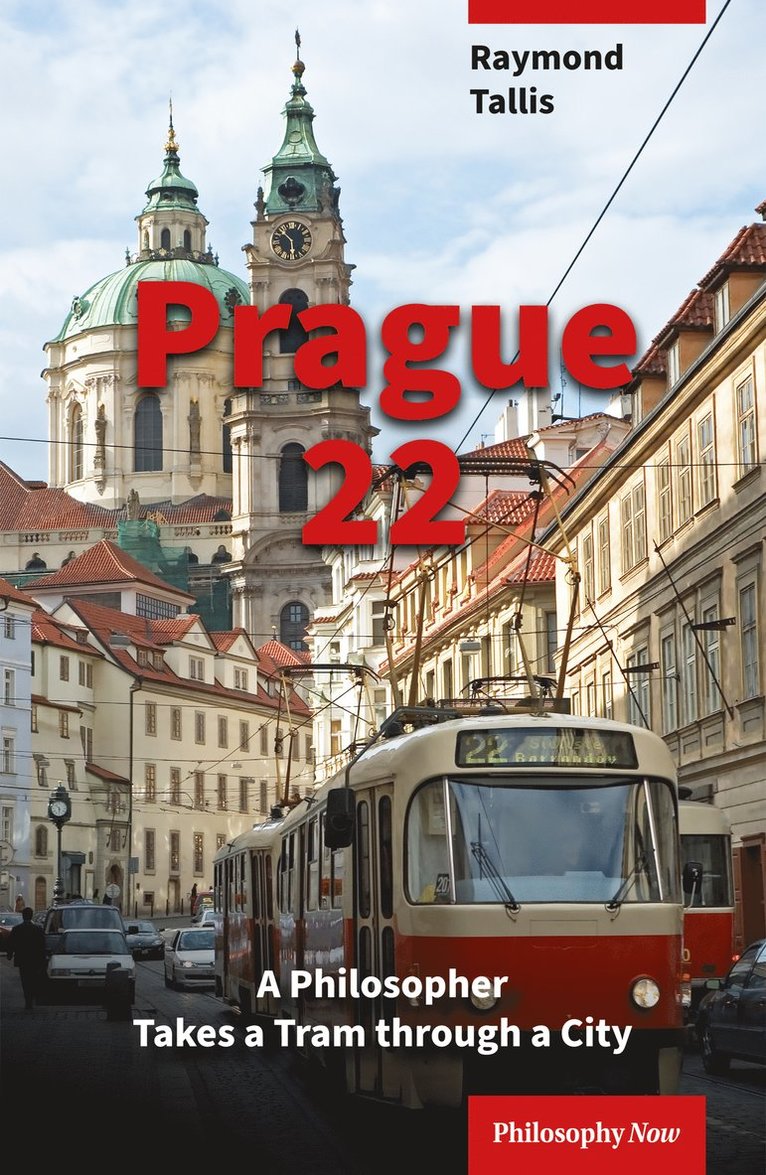
Prague 22
A Philosopher Takes a Tram through a City
Häftad, 2025
127 kr
Lägg i varukorg
Prague 22: A Philosopher Takes a Tram through a City is a work of joyful wonder inspired by the encounter between the philosopher of the title and one of the world’s most beautiful cities. The memoir is anchored in the enchanting 22 tram journey linking the author’s flat in Prague with the Castle. …
Enduring Significance of Parmenides
Unthinkable Thought
E-bok, 2007
2494 kr
Lägg i varukorg
Parmenides of Elea is widely regarded as the most important of the Presocratic philosophers and one of the most influential thinkers of all time. He is famous, or notorious, for asserting that change, movement, generation and perishing are illusions arising from our senses, that past and future do …
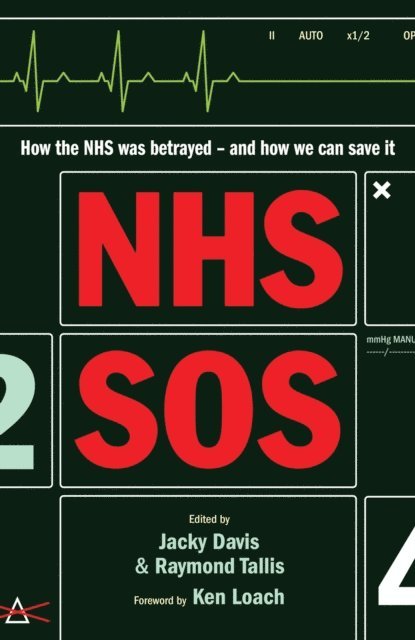
NHS SOS
How the NHS Was Betrayed - and How We Can Save It
Av Raymond Tallis, Jacky Davis
Häftad, 2013
108 kr
Lägg i varukorg
The Coalition Government passed into law an unprecedented assault on the NHS. Doctors, unions, the media, even politicians who claimed to be stalwart defenders failed to protect it. Now the effect of those devastating reforms are beginning to be felt by patients – but we can still save our …
NHS SOS
How the NHS Was Betrayed - and How We Can Save It
Av Jacky Davis, Raymond Tallis
E-bok, 2013
104 kr
Lägg i varukorg
An exposé of the back-door deals and negligence that threaten to destroy the NHS – and a 10-step manifesto for saving it The Coalition Government passed into law an unprecedented assault on the NHS. Doctors, unions, the media, even politicians who claimed to be stalwart defenders failed to protect …
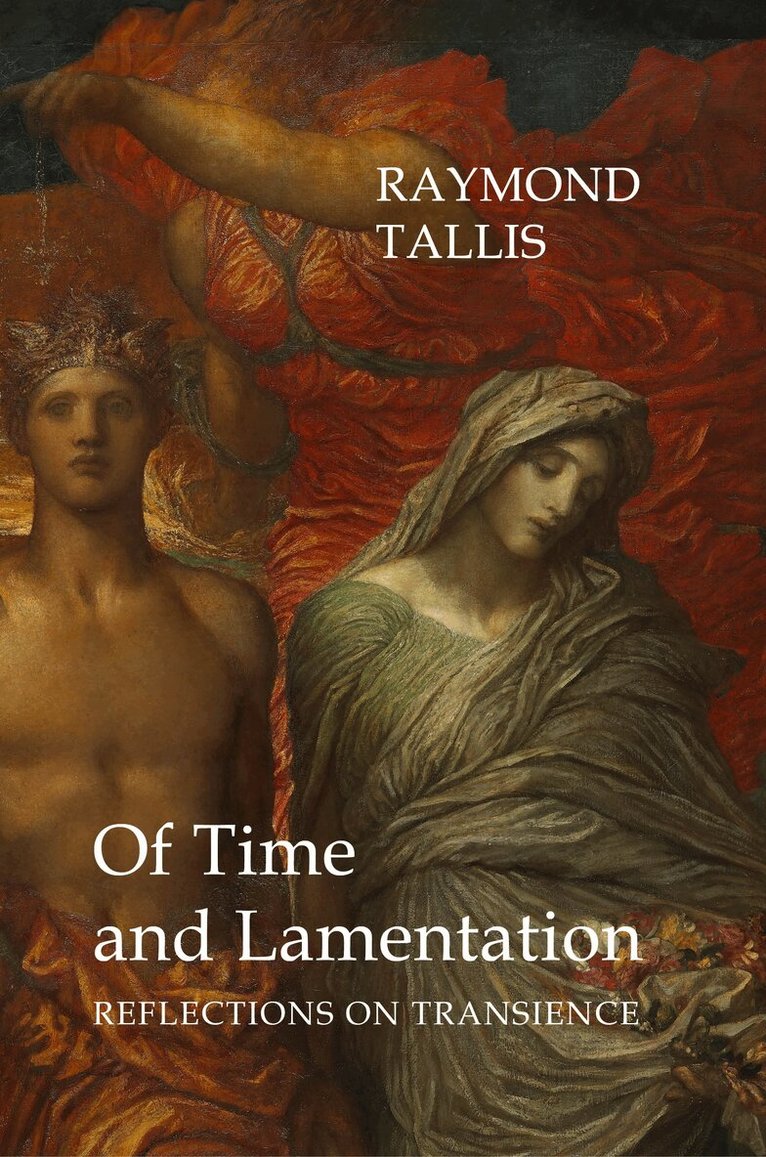
Of Time and Lamentation
Reflections on Transience
E-bok, 2017
449 kr
Lägg i varukorg
Time’s mysteries seem to resist comprehension and what remains, once the familiar metaphors are stripped away, can stretch even the most profound philosopher. In Of Time and Lamentation , Raymond Tallis rises to this challenge and explores the nature and meaning of time and how best to understand …