Rebecca Martin – författare
Visar alla böcker från författaren Rebecca Martin. Handla med fri frakt och snabb leverans.
22 produkter
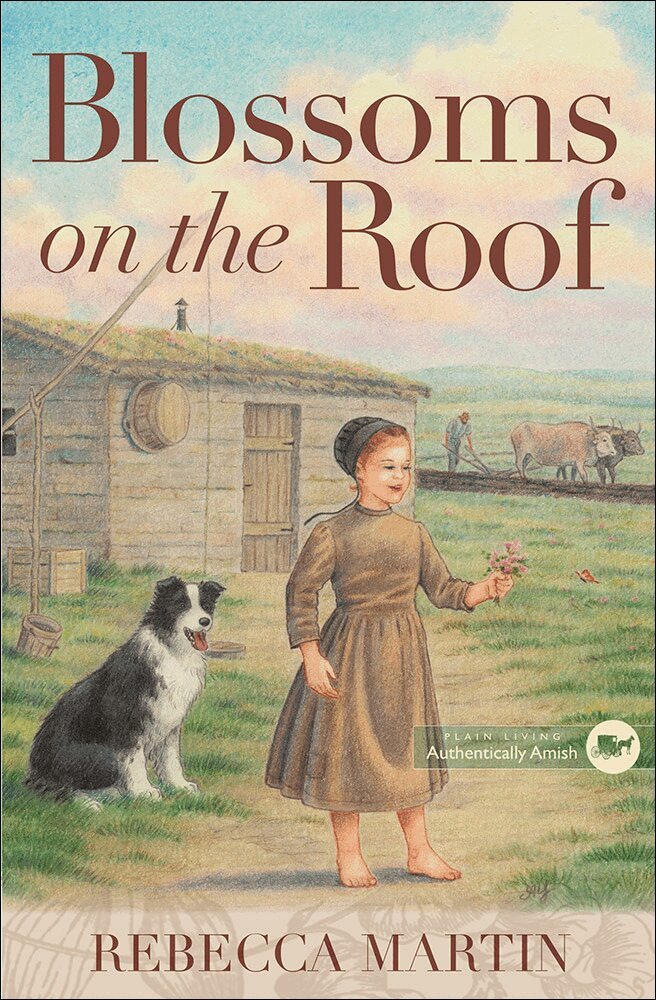
Blossoms on the Roof
Häftad, 2015
280 kr
Lägg i varukorg
The year 1894 brings hard times to the Yoders. When Father reads that free land is available in faraway North Dakota, the family packs up, says goodbye to family and friends, and boards the train for what they believe will be a better life out West. As soon as they step from the train onto the …
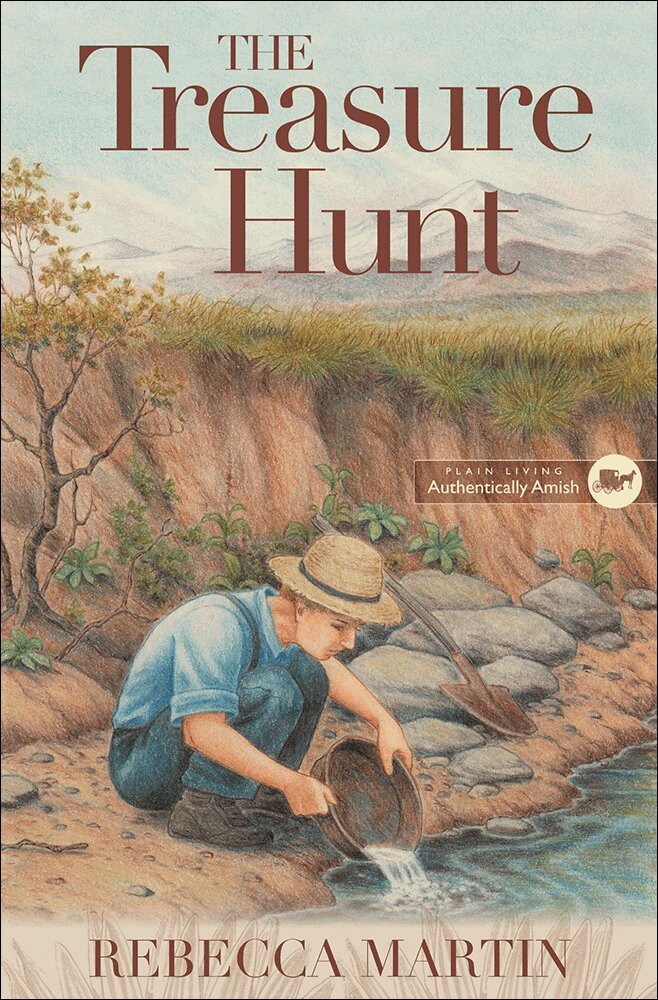
Treasure Hunt
Häftad, 2015
294 kr
Lägg i varukorg
The Yoder family packs up and moves once again—this time to join other Amish families in Colorado where inexpensive farmland is plentiful. Despite the drought, Mother's illness, and a raging wildfire, the family quickly adapts to life in their new homeland.Along the way young Joe, intrigued with …
Leading Multi-Campus University Systems
Av Rebecca Martin, Nancy Zimpher m. fl.
Inbunden, 2025
540 kr
Lägg i varukorg
University systems need visionary leadership like never before.Public university systems—state-wide networks of universities—educate over 75 percent of public four-year college students. These systems have a tremendous impact on research, workforce development, and the overall economic and civic …
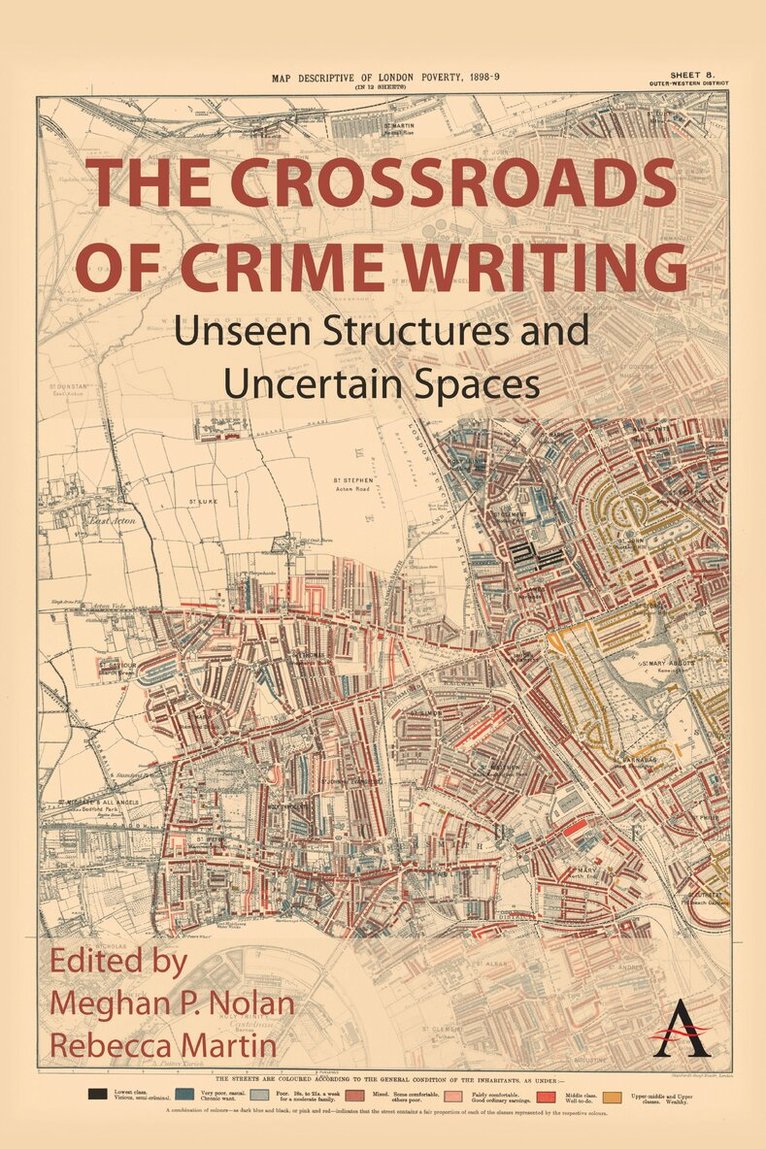
Crossroads of Crime Writing
Unseen Structures and Uncertain Spaces
Av Meghan P. Nolan, Rebecca Martin
Inbunden, 2024
1484 kr
Lägg i varukorg
This volume argues that we must examine the boundaries in fiction and non-fiction crime writing with an awareness of and turn toward the unseen structures and spatial uncertainties that so often lead to and reflect collective fears and anxieties. Drawing upon the insights and expertise of an …
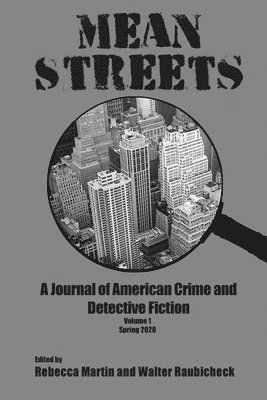
Mean Streets Vol 1: A Journal of American Crime and Detective Fiction
Av Rebecca Martin, Walter Raubicheck
Häftad, 2020
634 kr
Lägg i varukorg
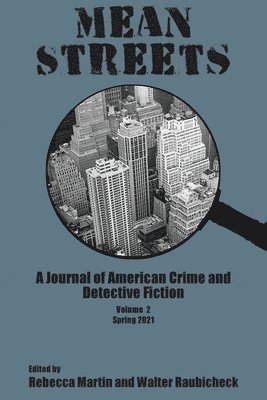
Mean Streets Vol 2: A Journal of American Crime and Detective Fiction
Av Walter Raubicheck, Rebecca Martin
Häftad, 2021
634 kr
Lägg i varukorg
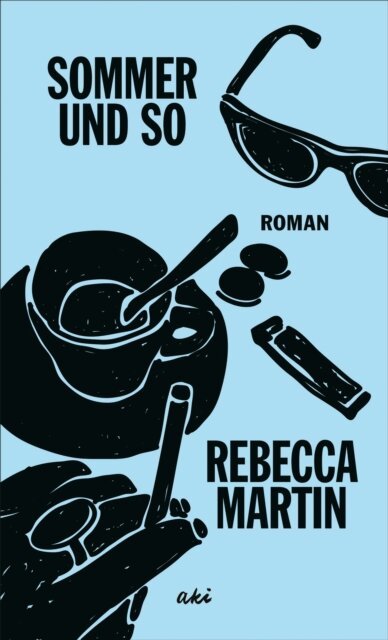
Sommer und so
E-bok, 2026
246 kr
Lägg i varukorg
Rebecca ist Ende zwanzig und hat ihr Leben in Berlin hinter sich gelassen, um in London neu anzufangen. Sie will den Durchbruch als Drehbuchautorin schaffen, mit ihren Freundinnen Champagner trinken, mit interessanten Männern auf Dates gehen, gute Bücher lesen, glamouröse Dinnerpartys schmeißen, …
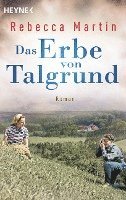
Lemon Blossoms - Die kleine Zitronenfarm am Gardasee
Roman | Perfekte Sommerlektüre für einen Tag am Strand in Italien
E-bok, 2027
49 kr
Kommande
Wenn das Leben dir Zitronen gibt, mach Limonade draus. Wohlfühlroman für alle Leser:innen von Julie ChaplinIsabella kämpft nach dem Tod ihrer Nonna um den Erhalt der Casa Moretti mit der kleinen wild romantischen Zitronenfarm am Gardasee. Sie hofft, durch das Zitronenfestival in Limone wieder Fuß …
Lemon Blossoms - Geheimnisse auf der kleinen Zitronenfarm am Gardasee
Häftad, 2026
193 kr
Lägg i varukorg
Interessentheorie - Grundzüge der Interessentheorie mit Bezug auf musikpädagogische Zusammenhänge
Häftad, 2012
363 kr
Lägg i varukorg
Crime and Detective Fiction
Inbunden, 2013
1364 kr
Tillfälligt slut
Each essay is 2,500 to 5,000 words in length, and all essays conclude with a list of ""Works Cited,"" along with endnotes. Finally, the volume's appendixes offer a section of useful reference resources:About This VolumeCritical Context: Original Introductory EssaysCritical Readings: Original …
Bonnie & Clyde
Inbunden, 2016
1259 kr
Tillfälligt slut
Each volume in the Critical Insights: Film collection focuses on a single film classic from American cinema, providing detailed insight and contextual analysis about each subject. These brand-new titles make perfect additions to academic, public, and community Film Studies collections …