Rebecca Nettl-Fiol - Böcker
Visar alla böcker från författaren Rebecca Nettl-Fiol. Handla med fri frakt och snabb leverans.
5 produkter
5 produkter
1 376 kr
Skickas inom 7-10 vardagar
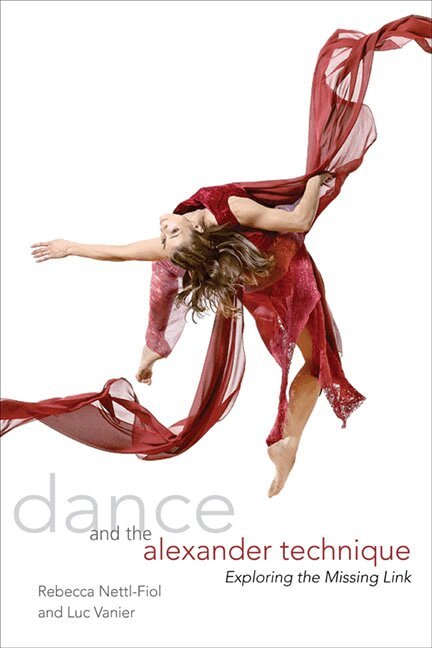
In Dance and the Alexander Technique, Rebecca Nettl-Fiol and Luc Vanier utilize their ten years of research on developmental movement and dance training to explore the relationship between a specific movement technique and the basic principles of support and coordination. The Alexander Technique, developed in the early twentieth century by F. M. Alexander, can be used to enhance dexterity in all types of activities, from everyday actions as mundane as tooth-brushing to highly demanding dance movements. Applying the tenets of this technique through the lens of a specific subset of principles called the Dart Procedures, the authors offer a unique approach for using the Alexander Technique in dance and other activities. The principles of this technique are used by people in all walks of life and have proven to be effective for enhancing performance and improving overall health and well-being. Amply illustrated and supplemented with a DVD that demonstrates the concepts and applications of the Alexander Technique, this book will be highly instrumental for dancers, teachers of dance, and anyone interested in giving everyday movements more efficiency, dexterity, and elegance.
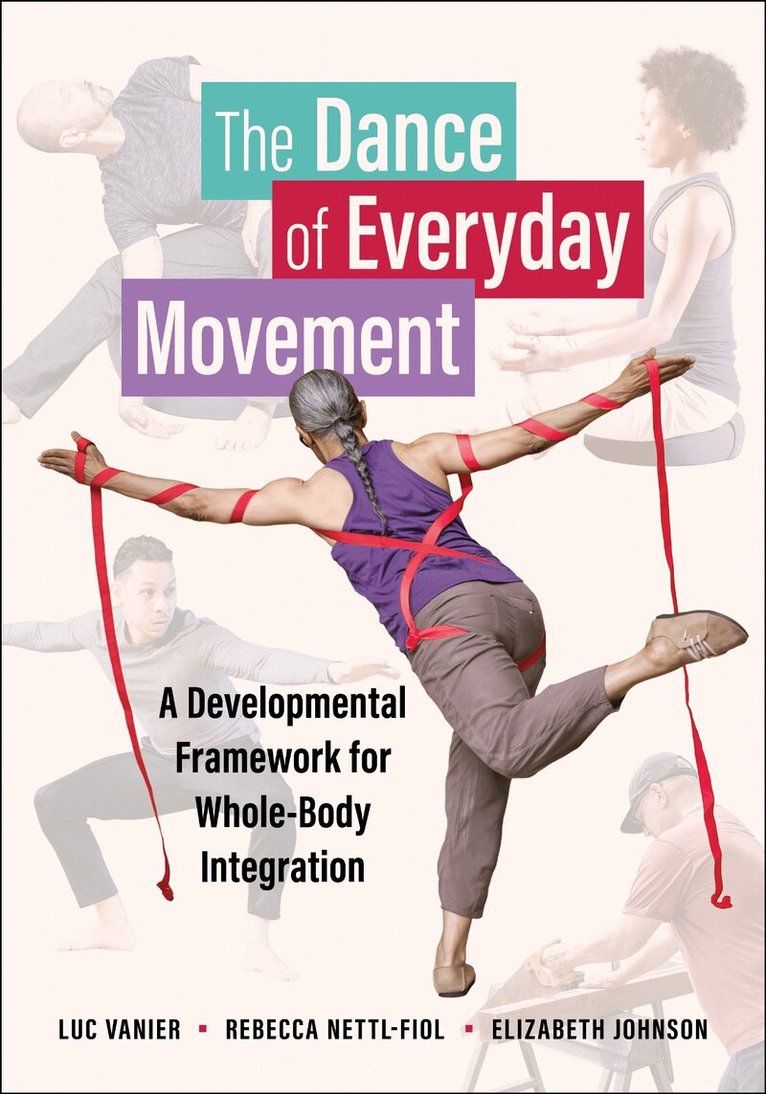
Dance of Everyday Movement
A Developmental Framework for Whole-Body Integration
Inbunden, Engelska, 2026
1 403 kr
Kommande
This book presents the Framework for Integration, a multi-faceted approach to understanding and refining human movement across daily life, the performing arts, and therapeutic contexts. Rooted in somatic and developmental perspectives, the Framework draws on the Alexander Technique, Laban/Bartenieff Movement Analysis, Ken Wilber's Integral Theory, and insights from neuroplasticity research. Central to its method is the interplay of Primary and Secondary curves, Engagement and Reset, and the capacity for spirals that unify the body in three dimensions. Through the Simple, Complex, and Integrated Models, the Framework offers a lens for observing, deconstructing, and redirecting habitual patterns. Core principles – such as psychophysical unity, developmental movement, and attention to breath – reveal how small changes in awareness and intent can transform activities ranging from yoga and Tai Chi to sitting meditation, from gardening and sports to playing a musical instrument. Real-world applications highlight how individuals of all abilities and ages can reduce pain, improve coordination, and discover more efficient, joyful movement. Guest contributors detail how these concepts enhance artistic expression, therapeutic interventions for trauma or chronic pain, and even everyday tasks like driving and housework. Ultimately, the Framework invites practitioners to embrace ongoing development, resilience, and a more integrated, embodied way of living.
347 kr
Skickas inom 7-10 vardagar
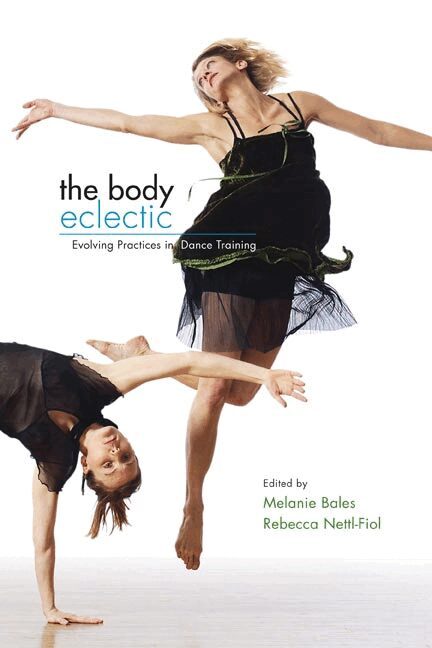
This rich collection of essays and interviews explores modern-dance technique training from the last fifty years. Focusing on the culture of dance, editors Melanie Bales and Rebecca Nettl-Fiol examine choreographic process and style, dancer agency and participation in the creative process, and changes in the role and purpose of training. Bringing recent writings on dance into dialogue with dance practice, The Body Eclectic: Evolving Practices in Dance Training asks readers to consider the relationship between training practices and choreographic style and content. The contributors explore how technique training both guides and reflects the art of dance. Contributors include Melanie Bales, Glenna Batson, Wendell Beavers, Veronica Dittman, Natalie Gilbert, Joshua Monten, Martha Myers, and Rebecca Nettl-Fiol. Dance professionals interviewed include David Dorfman, Ralph Lemon, Bebe Miller, Tere O\u2019Connor, and Shelley Washington.
397 kr
Skickas inom 7-10 vardagar
In Dance and the Alexander Technique, Rebecca Nettl-Fiol and Luc Vanier utilize their ten years of research on developmental movement and dance training to explore the relationship between a specific movement technique and the basic principles of support and coordination. The Alexander Technique, developed in the early twentieth century by F. M. Alexander, can be used to enhance dexterity in all types of activities, from everyday actions as mundane as tooth-brushing to highly demanding dance movements. Applying the tenets of this technique through the lens of a specific subset of principles called the Dart Procedures, the authors offer a unique approach for using the Alexander Technique in dance and other activities. The principles of this technique are used by people in all walks of life and have proven to be effective for enhancing performance and improving overall health and well-being. Amply illustrated and supplemented with a DVD that demonstrates the concepts and applications of the Alexander Technique, this book will be highly instrumental for dancers, teachers of dance, and anyone interested in giving everyday movements more efficiency, dexterity, and elegance.
Dance of Everyday Movement
A Developmental Framework for Whole-Body Integration
Häftad, Engelska, 2026
610 kr
Kommande
This book presents the Framework for Integration, a multi-faceted approach to understanding and refining human movement across daily life, the performing arts, and therapeutic contexts. Rooted in somatic and developmental perspectives, the Framework draws on the Alexander Technique, Laban/Bartenieff Movement Analysis, Ken Wilber's Integral Theory, and insights from neuroplasticity research. Central to its method is the interplay of Primary and Secondary curves, Engagement and Reset, and the capacity for spirals that unify the body in three dimensions. Through the Simple, Complex, and Integrated Models, the Framework offers a lens for observing, deconstructing, and redirecting habitual patterns. Core principles – such as psychophysical unity, developmental movement, and attention to breath – reveal how small changes in awareness and intent can transform activities ranging from yoga and Tai Chi to sitting meditation, from gardening and sports to playing a musical instrument. Real-world applications highlight how individuals of all abilities and ages can reduce pain, improve coordination, and discover more efficient, joyful movement. Guest contributors detail how these concepts enhance artistic expression, therapeutic interventions for trauma or chronic pain, and even everyday tasks like driving and housework. Ultimately, the Framework invites practitioners to embrace ongoing development, resilience, and a more integrated, embodied way of living.