
Reekes Andrew Reekes – författare
Visar alla böcker från författaren . Handla med fri frakt och snabb leverans.
7 produkter
7 produkter
E-bok
PDF, Engelska, 2015134 kr
Läs direkt efter köp
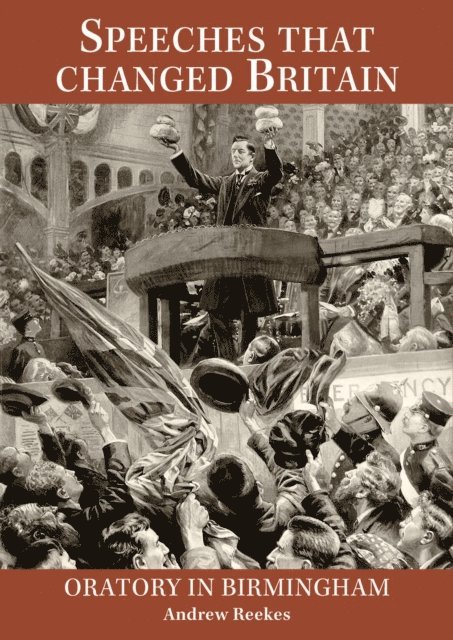
A fascinating and richly illustrated book exploring speeches made in Birmingham that changed history.Meet some of Britain’s most famous orators.The book reflects the importance of oratory in making a political argument. It may in a sound-bite era be a dying art but these speeches fulfil the first requirement of successful rhetoric, that it be a reasoned argument to persuade its audience.————It is striking how many nationally significant speeches have been made in Birmingham over the past two hundred years. This book looks at ten episodes when a speech in Birmingham challenged the rest of the country to embrace change and reform. More than any other city it represents Britain’s provincial voice across the period.The book reflects the importance of oratory in making a political argument. It may in a sound-bite era be a dying art but these speeches fulfil the first requirement of successful rhetoric, that it be a reasoned argument to persuade its audience.————On 27th October 1857, MP John Bright addressed a crowded Birmingham Town Hall. Already a famous politician and orator, expectations were high that he would deliver a newsworthy speech. So much so, The Times chartered a special night train to deliver his text in time for the morning editions. And Bright didn’t disappoint. The speech, a passionate call for universal suffrage, marked a fundamental turning point in 19th century electoral reform, and forms a powerful illustration of the impact a great speech- and speaker- can have on the history of a nation.Speeches that Changed Britain: Oratory in Birmingham takes a number of speeches, all made in Birmingham in the last two hundred years, and explores their impact on local and national stages. From the charismatic speakers themselves, to the words they used, the causes they fought for, and the mercurial relationship between orator and audience, author Andrew Reekes examines the factors that make a great speech.Many of the speakers considered were the most famous orators of their time, and their speeches illustrate contemporary concerns: from Thomas Attwood advocating Parliamentary reform in 1832 to crowds of 200,000; Feargus O’Connor addressing Chartist rallies; the Chamberlain dynasty, Joseph and Neville, opposing Home Rule and confronting Hitler; to controversial characters Oswald Mosley and Enoch Powell outlining their personal visions.The book closes with a very recent speech by David Cameron which continues the tradition of powerful speeches made in the city. Reekes paints a clear picture of Birmingham itself as a stronghold of radical politics and social reform, one that generated and attracted famous orators. Their presence has meant that Birmingham has played a profound role in setting the national political mood and agenda.Resonating with the text of these great speeches, Reekes’ fascinating and important book captures vividly a lost age of political oratory and passionate public advocacy, and provides an extraordinary insight into the progress of political and social reform in Britain across the last two hundred years.
E-bok
Engelska, 2017142 kr
Läs direkt efter köp
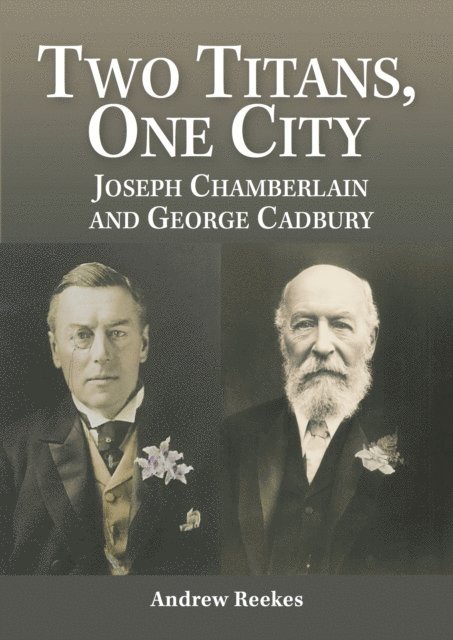
Two famous and powerful men of the late Victorian and early Edwardian era, Joseph Chamberlain (1836-1914) and George Cadbury (1839-1922), towered over one of the great cities of the British Empire - Birmingham. Together, they offer a fascinating window into the rapidly changing world in which they lived and the preoccupations of their generation. Throughout their lives both men pursued a common mission - to improve the lives of their fellow citizens - and zealously pursued a philosophy of social and civic responsibility rooted in nonconformist religion. However, these were very different characters sharing a single stage. Having aggressively built a fortune in engineering as a young man, Chamberlain entered civic politics and, during three terms as mayor, he made Birmingham the global model of good civic governance. But his ambitions stretched beyond Birmingham to Westminster where he became the first great middle-class statesman of modern Britain and the leading Radical of the age although his career ended in failure and he never achieved the highest office he craved. Throughout this turbulent career, Birmingham, sometimes referred to as his "Duchy", remained Chamberlain''s political base and his family home. It was here after an incapacitating stroke, Chamberlain was buried following a funeral where the size of the crowds brought the whole city to a halt. It was also here in Birmingham that Cadbury created his fortune and where his programs for social improvement caught the attention of the world. Taking control of the confectionary business established by his Quaker family, Cadbury built it into one of the first great global brands. The wealth he created allowed Cadbury to introduce far-sighted benefits for his workers including the visionary model village of Bournville which was his response to the jerry-built slum housing of his workforce. Then around the houses, schools and green open spaces of Bournville Cadbury created a distinct community founded on strict adherence to his Quaker values of temperance and industrial discipline. Meanwhile, on the national stage Cadbury successfully campaigned to improve the lives of men and women laboring in sweatshops and worked for the introduction of pioneering social reforms including non-contributory old age pensions. Throughout this time, unlike Chamberlain, he abhorred party politics and his pacifist views brought them into conflict during the Anglo Boer War which Chamberlain championed. By his death, Cadbury was lauded as one of the leading philanthropists of his age. So, both Chamberlain and Cadbury championed political and social reform based on their experiences in Birmingham and subsequently became important figures of British life. Yet for all that they had in common, they were radically different from each other. Their ambitions and their methods for effecting change, took divergent routes and as a result from time-to-time they came into conflict in the arena of national affairs and in Birmingham," where they were reluctant neighbors. Two Titans: One City is the first study to explore, compare and contrast the lives of these two very famous but very different figures, Historian and author, Andrew Reekes uses archives, correspondence and contemporary accounts to reveal the fascinating lives and rivalries of these two important figures of their age.
E-bok
PDF, Engelska, 2017142 kr
Läs direkt efter köp
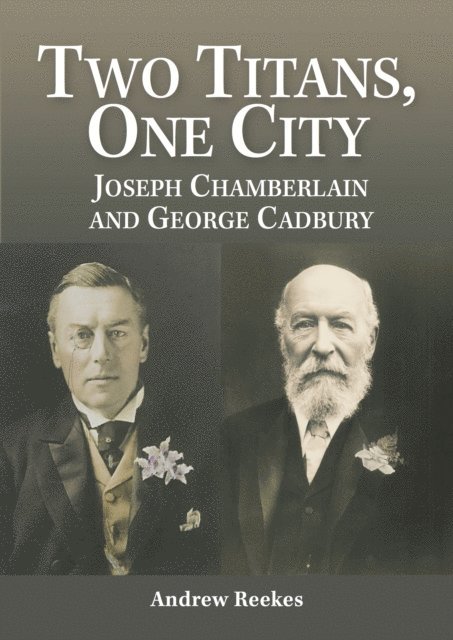
Two famous and powerful men of the late Victorian and early Edwardian era, Joseph Chamberlain (1836-1914) and George Cadbury (1839-1922), towered over one of the great cities of the British Empire - Birmingham. Together, they offer a fascinating window into the rapidly changing world in which they lived and the preoccupations of their generation. Throughout their lives both men pursued a common mission - to improve the lives of their fellow citizens - and zealously pursued a philosophy of social and civic responsibility rooted in nonconformist religion. However, these were very different characters sharing a single stage. Having aggressively built a fortune in engineering as a young man, Chamberlain entered civic politics and, during three terms as mayor, he made Birmingham the global model of good civic governance. But his ambitions stretched beyond Birmingham to Westminster where he became the first great middle-class statesman of modern Britain and the leading Radical of the age although his career ended in failure and he never achieved the highest office he craved. Throughout this turbulent career, Birmingham, sometimes referred to as his "Duchy", remained Chamberlain''s political base and his family home. It was here after an incapacitating stroke, Chamberlain was buried following a funeral where the size of the crowds brought the whole city to a halt. It was also here in Birmingham that Cadbury created his fortune and where his programs for social improvement caught the attention of the world. Taking control of the confectionary business established by his Quaker family, Cadbury built it into one of the first great global brands. The wealth he created allowed Cadbury to introduce far-sighted benefits for his workers including the visionary model village of Bournville which was his response to the jerry-built slum housing of his workforce. Then around the houses, schools and green open spaces of Bournville Cadbury created a distinct community founded on strict adherence to his Quaker values of temperance and industrial discipline. Meanwhile, on the national stage Cadbury successfully campaigned to improve the lives of men and women laboring in sweatshops and worked for the introduction of pioneering social reforms including non-contributory old age pensions. Throughout this time, unlike Chamberlain, he abhorred party politics and his pacifist views brought them into conflict during the Anglo Boer War which Chamberlain championed. By his death, Cadbury was lauded as one of the leading philanthropists of his age. So, both Chamberlain and Cadbury championed political and social reform based on their experiences in Birmingham and subsequently became important figures of British life. Yet for all that they had in common, they were radically different from each other. Their ambitions and their methods for effecting change, took divergent routes and as a result from time-to-time they came into conflict in the arena of national affairs and in Birmingham," where they were reluctant neighbors. Two Titans: One City is the first study to explore, compare and contrast the lives of these two very famous but very different figures, Historian and author, Andrew Reekes uses archives, correspondence and contemporary accounts to reveal the fascinating lives and rivalries of these two important figures of their age.
E-bok
Engelska, 2018125 kr
Läs direkt efter köp
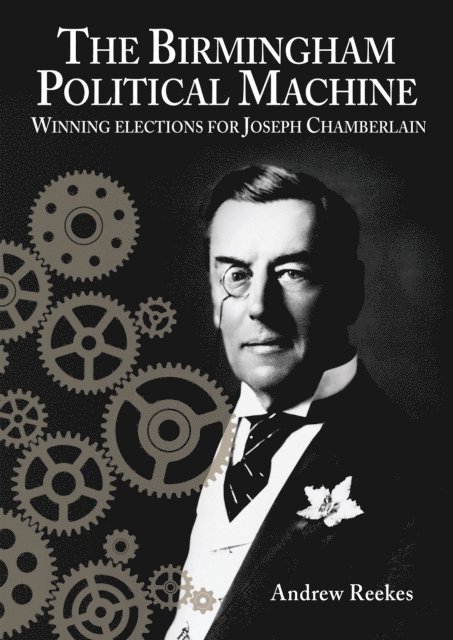
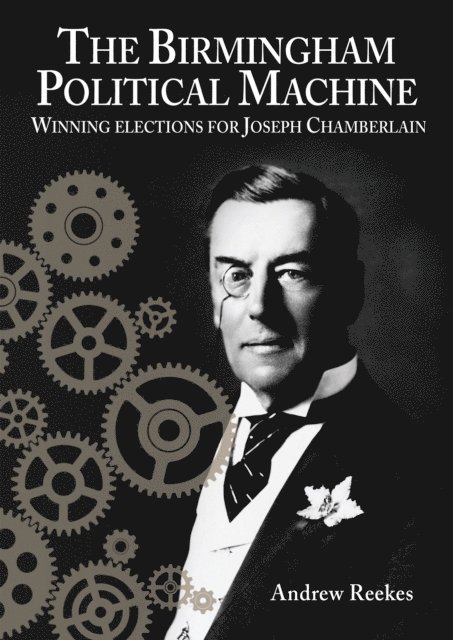
The British electorate swelled dramatically with the passing of the Second Reform Act in 1867. This presented the political class with a significant challenge. Here was a large, new electorate which needed to be understood, managed, enthused, and persuaded to vote for the right candidate in local and parliamentary elections. From this time onwards education and democratic involvement of these new voters became vital for political success.In Birmingham, the town of a thousand trades, Joseph Chamberlain and his allies were faced with an electorate which had tripled in size overnight and many of whom had never previously voted or participated in politics. In response, Joseph Chamberlain and his close-knit Birmingham team developed national campaigns on issues such as universal education, democracy and tariff reform which required new methods for propagating and winning arguments that resonated across all classes and interests. At the same time they colonised Birmingham''s town council, school board and other municipal bodies where they gained the practical political experience which they could transfer to the national stage.For the first time The Birmingham Political Machine lays bare how Joseph Chamberlain with his colleagues and friends was so successful that never before or since has one politician monopolised regional power as Joseph Chamberlain did for more than thirty years in the West Midlands. He made it his invincible fortress.From now on British politics would never be the same and the techniques developed by the Birmingham Machine can still be seen today.
E-bok
PDF, Engelska, 2018125 kr
Läs direkt efter köp
The British electorate swelled dramatically with the passing of the Second Reform Act in 1867. This presented the political class with a significant challenge. Here was a large, new electorate which needed to be understood, managed, enthused, and persuaded to vote for the right candidate in local and parliamentary elections. From this time onwards education and democratic involvement of these new voters became vital for political success.In Birmingham, the town of a thousand trades, Joseph Chamberlain and his allies were faced with an electorate which had tripled in size overnight and many of whom had never previously voted or participated in politics. In response, Joseph Chamberlain and his close-knit Birmingham team developed national campaigns on issues such as universal education, democracy and tariff reform which required new methods for propagating and winning arguments that resonated across all classes and interests. At the same time they colonised Birmingham''s town council, school board and other municipal bodies where they gained the practical political experience which they could transfer to the national stage.For the first time The Birmingham Political Machine lays bare how Joseph Chamberlain with his colleagues and friends was so successful that never before or since has one politician monopolised regional power as Joseph Chamberlain did for more than thirty years in the West Midlands. He made it his invincible fortress.From now on British politics would never be the same and the techniques developed by the Birmingham Machine can still be seen today.
E-bok
Engelska, 201874 kr
Läs direkt efter köp
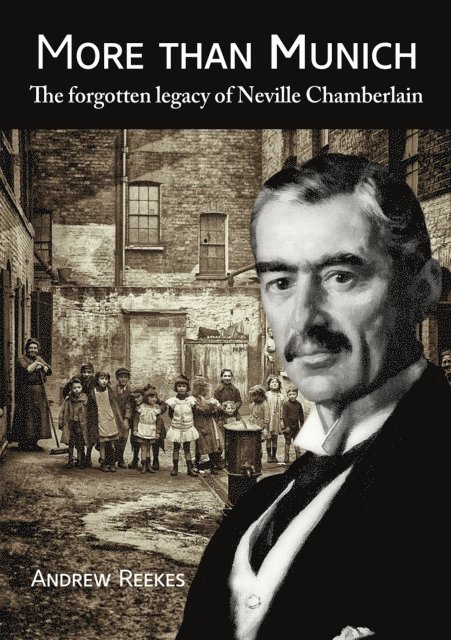
In 1938 rapturous crowds greeted Prime Minister Neville Chamberlain when he proclaimed “Peace for our time” on his return from meeting Adolf Hitler in Munich. Yet today Chamberlain is vilified as a naïve appeaser – an image cynically cultivated by Winston Churchill for his own political gain.What is the truth? How should Birmingham’s only Prime Minister be accurately remembered?More than Munich: The forgotten legacy of Neville Chamberlain reveals that he was the most successful social reformer of interwar Britain. For 36 years, first as Lord Mayor of Birmingham and then as an energetic and determined Minister of Health, Chancellor of the Exchequer and Prime Minister, Chamberlain delivered legislation which cleared some of the poorest slums; built thousands of council houses; extended unemployment benefits; improved pensions; made paid holidays mandatory; and limited working hours.Contrary to the image often portrayed in books and films, Chamberlain did not leave Britain naked and defenseless. From the mid-1930s he recognized the Nazi threat, forcefully argued for re-armament and particularly urged the strengthening of the Royal Air Force. Now historian and author Andrew Reekes challenges us to look beyond the stereotype of Neville Chamberlain “the appeaser” to the real man and his achievements.
E-bok
PDF, Engelska, 201874 kr
Läs direkt efter köp
In 1938 rapturous crowds greeted Prime Minister Neville Chamberlain when he proclaimed “Peace for our time” on his return from meeting Adolf Hitler in Munich. Yet today Chamberlain is vilified as a naïve appeaser – an image cynically cultivated by Winston Churchill for his own political gain.What is the truth? How should Birmingham’s only Prime Minister be accurately remembered?More than Munich: The forgotten legacy of Neville Chamberlain reveals that he was the most successful social reformer of interwar Britain. For 36 years, first as Lord Mayor of Birmingham and then as an energetic and determined Minister of Health, Chancellor of the Exchequer and Prime Minister, Chamberlain delivered legislation which cleared some of the poorest slums; built thousands of council houses; extended unemployment benefits; improved pensions; made paid holidays mandatory; and limited working hours.Contrary to the image often portrayed in books and films, Chamberlain did not leave Britain naked and defenseless. From the mid-1930s he recognized the Nazi threat, forcefully argued for re-armament and particularly urged the strengthening of the Royal Air Force. Now historian and author Andrew Reekes challenges us to look beyond the stereotype of Neville Chamberlain “the appeaser” to the real man and his achievements.