Rekha Datta - Böcker
Visar alla böcker från författaren Rekha Datta. Handla med fri frakt och snabb leverans.
9 produkter
9 produkter
1 470 kr
Skickas inom 10-15 vardagar
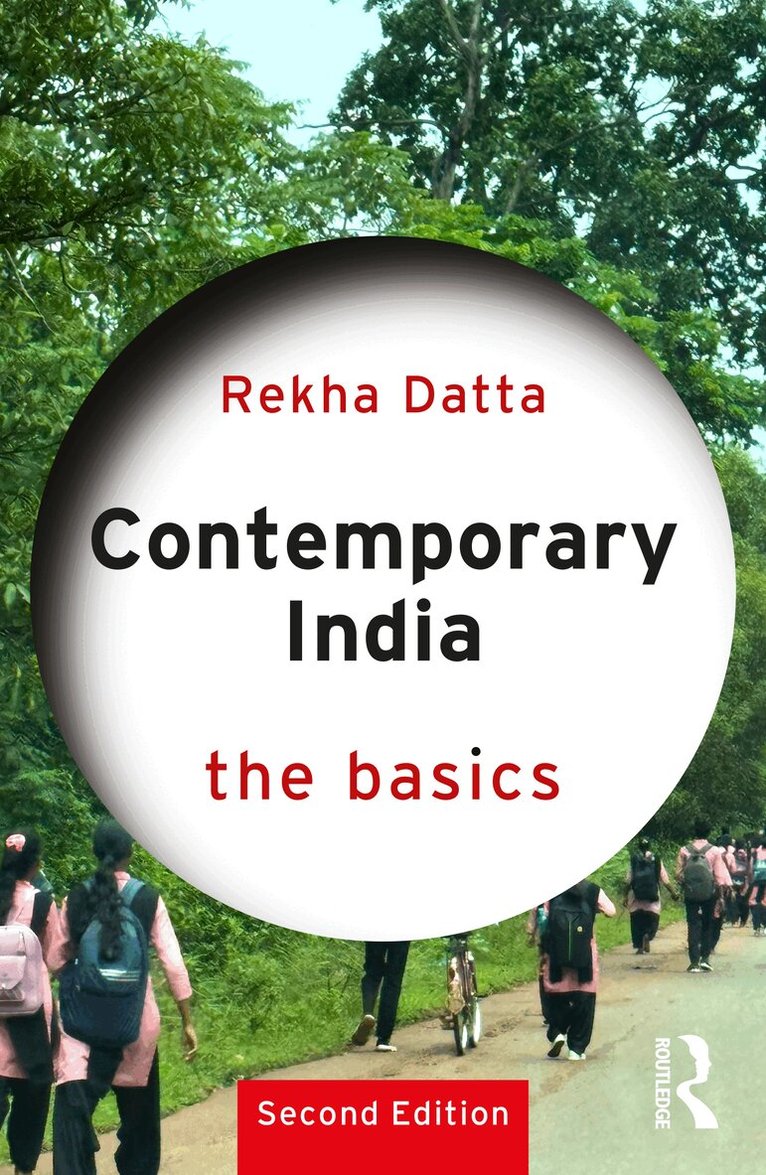
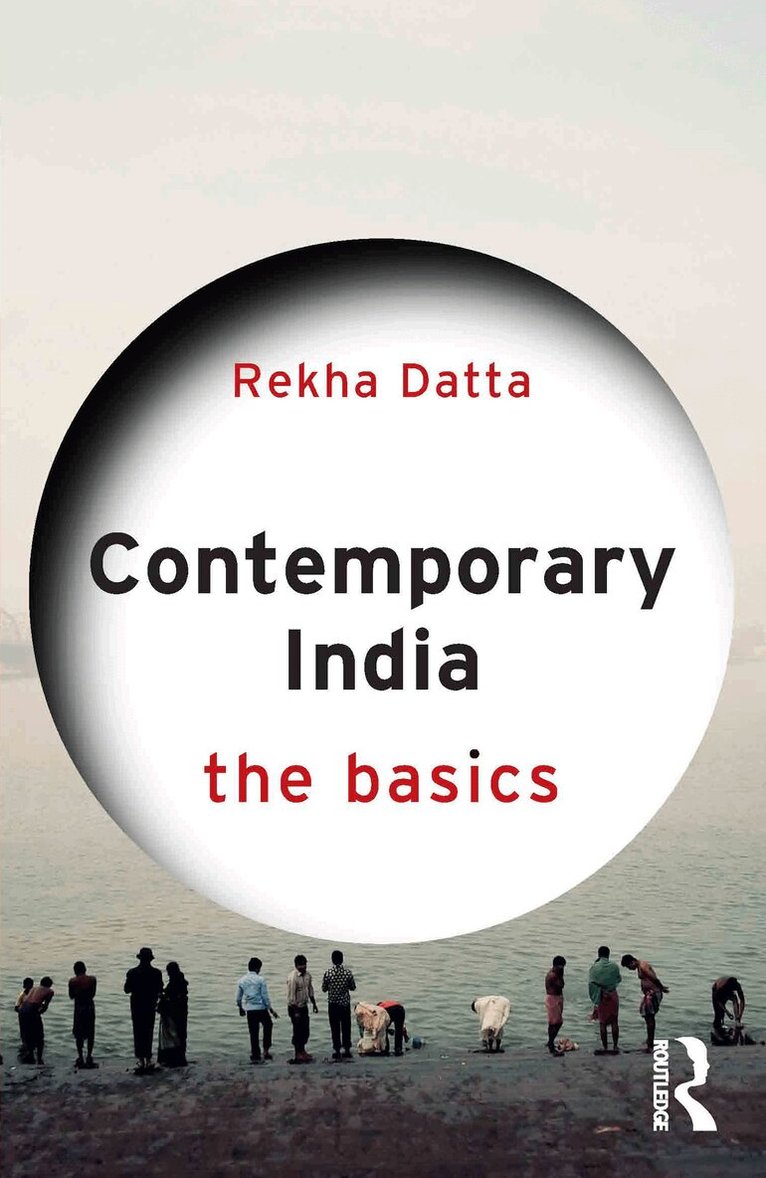
Contemporary India: The Basics provides readers with a clear and accessible guide through the richness, diversity and complexity of twenty-first century India. It explores the reality of the country’s cultural diversity which creates both harmony and tension. Covering issues the country faces both domestically and on the global stage, this book analyzes the political, social, cultural and economic landscape of India and investigates how the future might look for India. The book addresses key questions such as: How has India risen to be a major economic power? What role does sectarianism play in the world’s largest democracy? How do caste and gender affect the structure of Indian society? What is the domestic and international impact of Bollywood?Featuring maps, discussion questions and suggestions for further reading, this is the ideal introduction to India for those who are new to the study of this most fascinating and complex of countries.
341 kr
Skickas inom 10-15 vardagar
Contemporary India: The Basics provides readers with a clear and accessible guide through the richness, diversity and complexity of twenty-first century India. It explores the reality of the country’s cultural diversity which creates both harmony and tension. Covering issues the country faces both domestically and on the global stage, this book analyzes the political, social, cultural and economic landscape of India and investigates how the future might look for India. The book addresses key questions such as: How has India risen to be a major economic power? What role does sectarianism play in the world’s largest democracy? How do caste and gender affect the structure of Indian society? What is the domestic and international impact of Bollywood?Featuring maps, discussion questions and suggestions for further reading, this is the ideal introduction to India for those who are new to the study of this most fascinating and complex of countries.
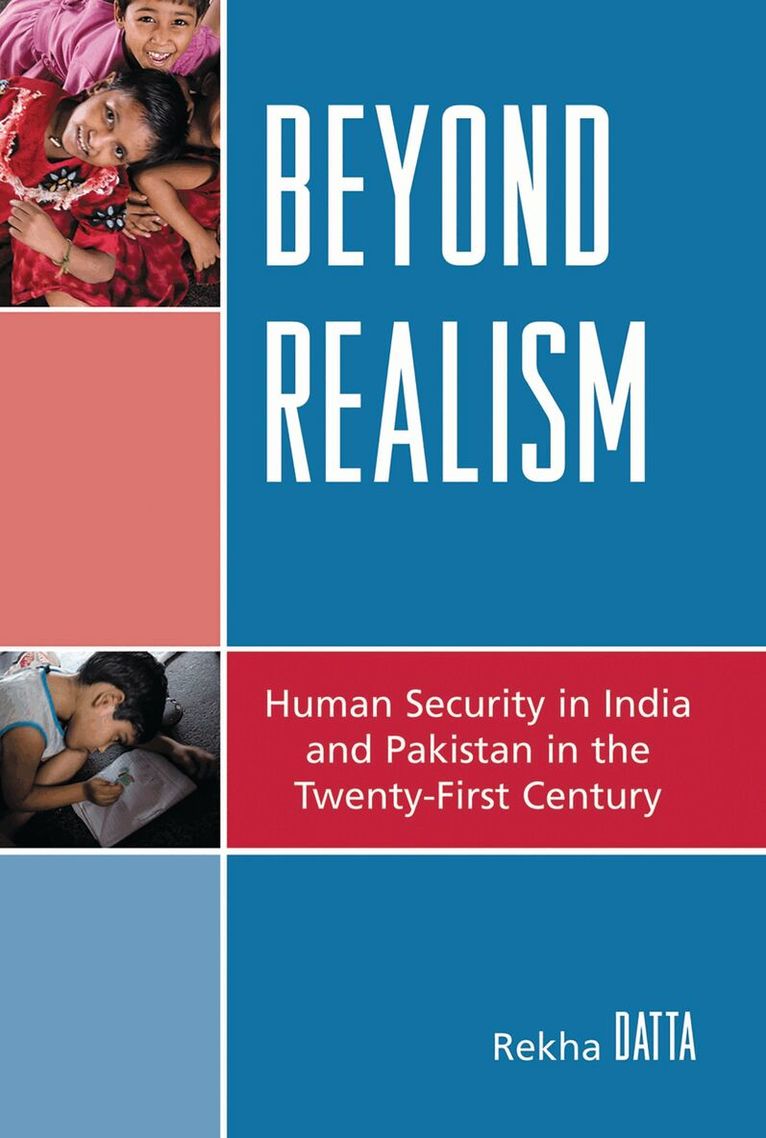
Beyond Realism
Human Security in India and Pakistan in the Twenty-First Century
Inbunden, Engelska, 2008
1 276 kr
Skickas inom 10-15 vardagar
As the world is changing, many scholars, analysts, and policy makers agree that even as governments need to confront external threats, creating sustainable domestic environments is imperative as a policy priority. As events surrounding September 11, 2001 continue to remind us, marginalized sections of the population can become breeding grounds for dissatisfaction, disenchantment, and eventually, targets for terrorist groups. Throughout the cold war period, South Asia served as a strategic region in the bilateral rivalry between the United States and the former Soviet Union, coupled with China's careful scrutiny. In the post cold war period, several bilateral conflicts, the nuclear tests of 1998, the post 9/11 world in which South Asia has become a breeding ground for terrorists, entwined with an embattled, albeit a shared history, continue to make India and Pakistan a pivotal region to study.A timely analysis which starts with traditional approaches and combines them with new thinking within a human security policy framework, this book will contribute to a deeper and more holistic understanding of policy priorities of major players in a pivotal region of the world. It begins by analyzing security policies of India and Pakistan that have emerged in the context of geo-political concerns based on realist calculations. It also looks at the policies of the two governments in key areas such as the economy, education, public health, and safeguarding against gender-based violence. Concern with human security prompts analyses such as the one adopted in this book to argue that governments should empower and protect their citizens from serious threats to their survival. Home to a fifth of the world's population, large numbers of whom are reeling in poverty, where terrorism continues to be a concern, along with ongoing border disputes, India and Pakistan will find it imperative to make careful evaluations of this multipronged challenge to security. While it has relevance for regional policy priorities, this analys
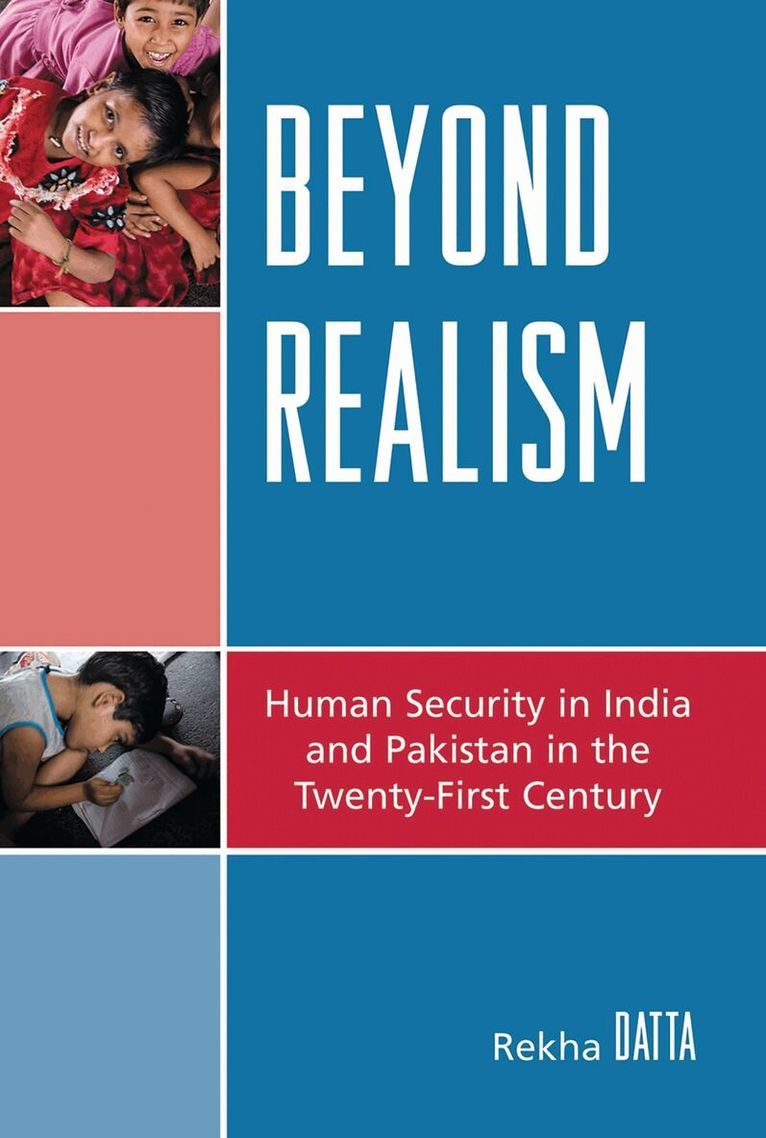
Beyond Realism
Human Security in India and Pakistan in the Twenty-First Century
Häftad, Engelska, 2010
608 kr
Skickas inom 10-15 vardagar
As the world is changing, many scholars, analysts, and policy makers agree that even as governments need to confront external threats, creating sustainable domestic environments is imperative as a policy priority. As events surrounding September 11, 2001 continue to remind us, marginalized sections of the population can become breeding grounds for dissatisfaction, disenchantment, and eventually, targets for terrorist groups. Throughout the cold war period, South Asia served as a strategic region in the bilateral rivalry between the United States and the former Soviet Union, coupled with China's careful scrutiny. In the post cold war period, several bilateral conflicts, the nuclear tests of 1998, the post 9/11 world in which South Asia has become a breeding ground for terrorists, entwined with an embattled, albeit a shared history, continue to make India and Pakistan a pivotal region to study.A timely analysis which starts with traditional approaches and combines them with new thinking within a human security policy framework, this book will contribute to a deeper and more holistic understanding of policy priorities of major players in a pivotal region of the world. It begins by analyzing security policies of India and Pakistan that have emerged in the context of geo-political concerns based on realist calculations. It also looks at the policies of the two governments in key areas such as the economy, education, public health, and safeguarding against gender-based violence. Concern with human security prompts analyses such as the one adopted in this book to argue that governments should empower and protect their citizens from serious threats to their survival. Home to a fifth of the world's population, large numbers of whom are reeling in poverty, where terrorism continues to be a concern, along with ongoing border disputes, India and Pakistan will find it imperative to make careful evaluations of this multipronged challenge to security. While it has relevance for regional policy priorities, this analys
2 176 kr
Kommande
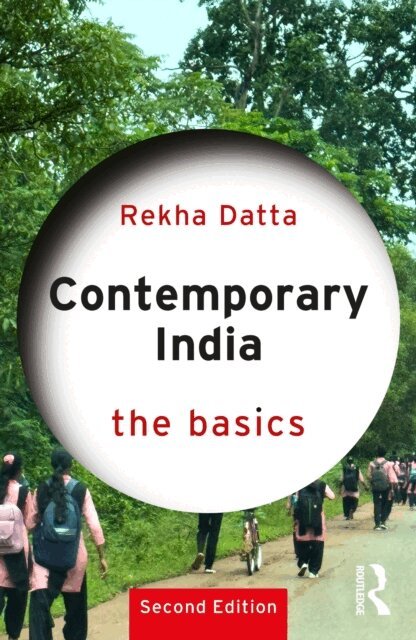
Fully updated and expanded throughout, this second edition of Contemporary India: The Basics provides readers with a clear and accessible guide through the richness, diversity, and complexity of modern-day India.This essential second edition highlights the changes that contemporary India has undergone over the last five years or so, including:An analysis of the 2024 general elections, the resulting coalition government, and the charismatic rise of Prime Minister Modi, whose leadership has reshaped the political party system and consolidated his influence.A discussion of India’s debates on secularism and the nation’s search for a modern identity amidst tensions between state power and democratic ideals.Insights into India’s growing global influence, its strained ties with Pakistan over the Kashmir region, and the impact of international conflicts on relations with Canada and the US.An examination of India’s rise as the world’s fourth-largest economy, the challenges of rural development, and the effects of globalisation.Reflections on the sustainability of India’s growth, the impact of the global pandemic, and the consequences of the climate crisis. Featuring maps, discussion questions, and suggestions for further reading, this is the ideal, fully updated, contemporary introduction to one of the most fascinating, culturally diverse, and complex countries in the world.
546 kr
Kommande
Fully updated and expanded throughout, this second edition of Contemporary India: The Basics provides readers with a clear and accessible guide through the richness, diversity, and complexity of modern-day India.This essential second edition highlights the changes that contemporary India has undergone over the last five years or so, including:An analysis of the 2024 general elections, the resulting coalition government, and the charismatic rise of Prime Minister Modi, whose leadership has reshaped the political party system and consolidated his influence.A discussion of India’s debates on secularism and the nation’s search for a modern identity amidst tensions between state power and democratic ideals.Insights into India’s growing global influence, its strained ties with Pakistan over the Kashmir region, and the impact of international conflicts on relations with Canada and the US.An examination of India’s rise as the world’s fourth-largest economy, the challenges of rural development, and the effects of globalisation.Reflections on the sustainability of India’s growth, the impact of the global pandemic, and the consequences of the climate crisis. Featuring maps, discussion questions, and suggestions for further reading, this is the ideal, fully updated, contemporary introduction to one of the most fascinating, culturally diverse, and complex countries in the world.
Inequality and Governance in an Uncertain World
Perspectives on Democratic & Autocratic Governments
Inbunden, Engelska, 2023
1 276 kr
Skickas inom 10-15 vardagar
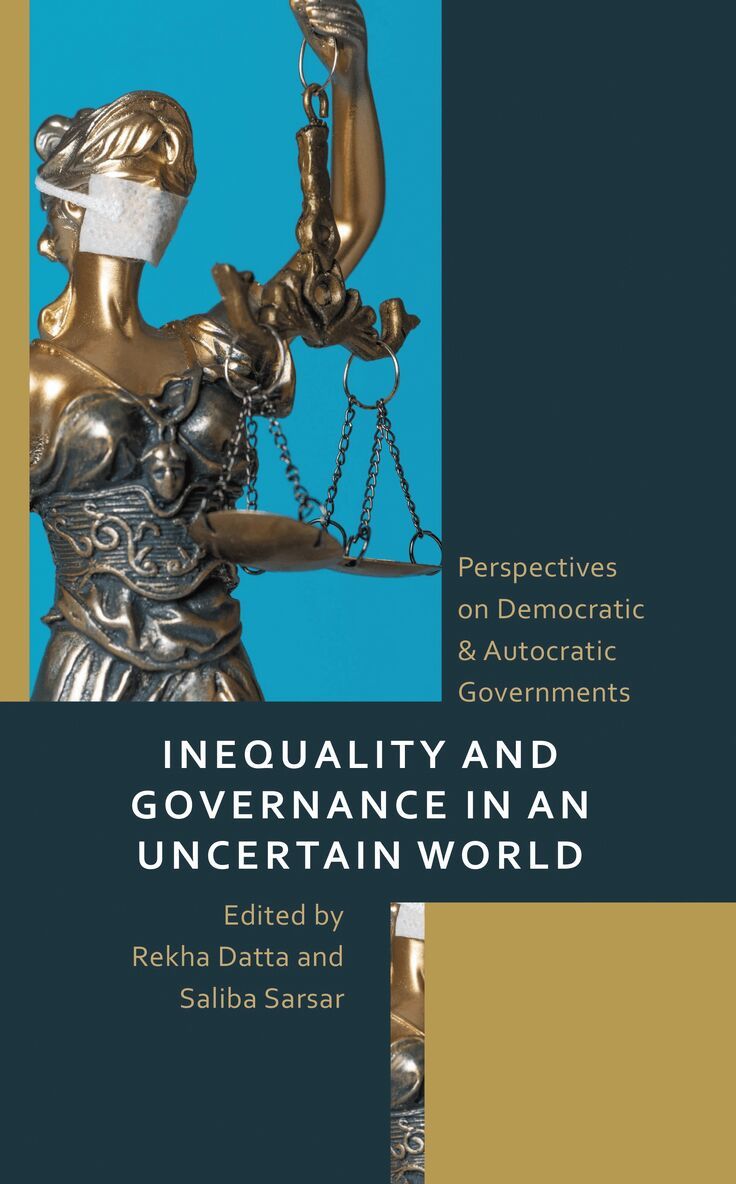
In Inequality and Governance in an Uncertain World: Perspectives on Democratic & Autocratic Governments, the authors address structural and systemic inequalities in democratic and autocratic governments from a multidimensional perspective in nine world regions (Sub-Saharan Africa, the Middle East and North Africa, South Asia, East Asia, Eurasia, Eastern Europe, Western Europe, North America, and Latin America). Their focus is on issues of race, caste, class, gender, religion, culture, and ethnicity which has intensified during the COVID-19 pandemic. The fragility of democracies is only enhanced by the sobering reality of the climate crisis and the deleterious nature of disinformation through social media. However, just as the world has been witnessing a shift toward autocracy, a commitment to democracy can be also possible through a renewal of the social contract, calling for more equitable social, economic, and health policies, obliterating the intersections of inequality, and trudging toward a more sustainable future for all.
1 343 kr
Skickas inom 10-15 vardagar
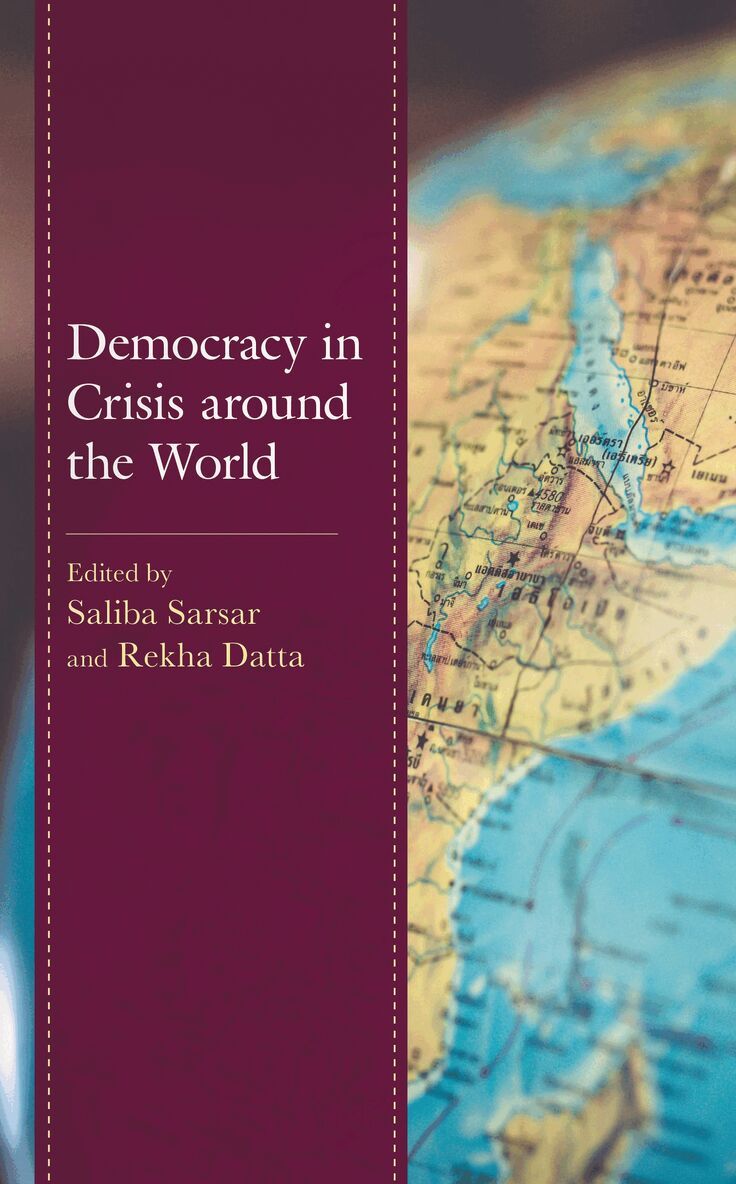
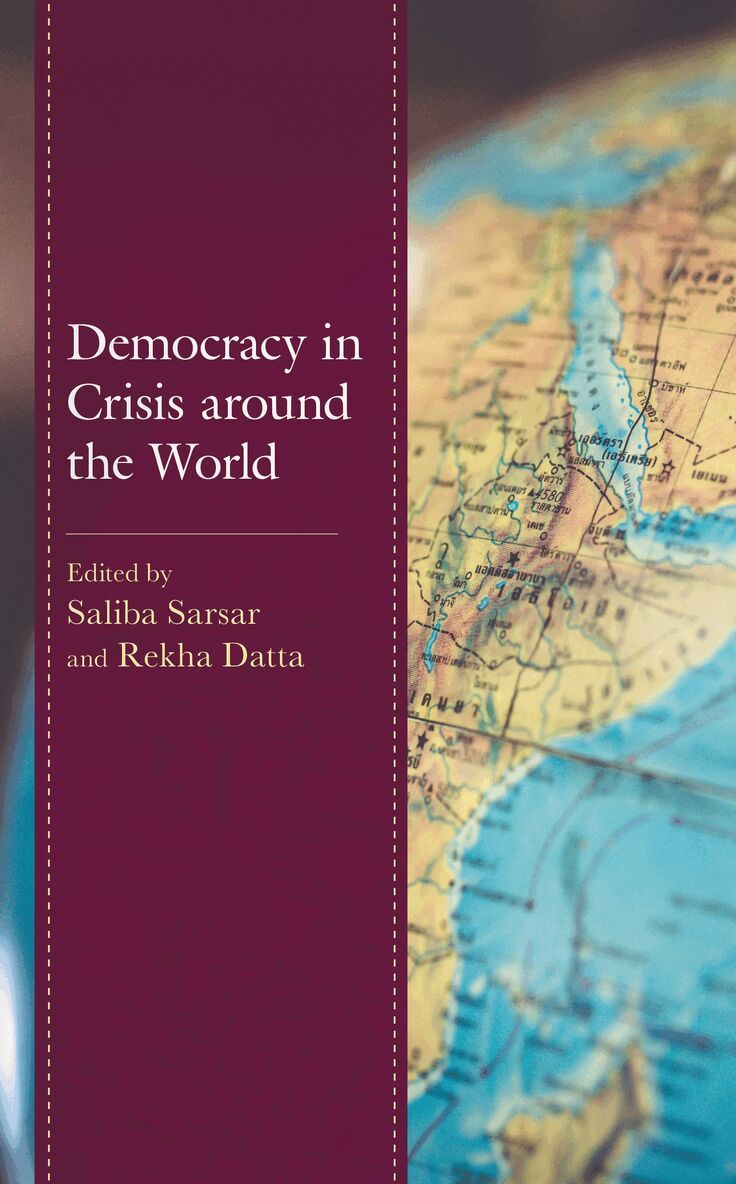
In the twenty-first century, democracies across the globe are in crisis. The strength of basic democratic institutions and core enduring political principles and values are eroding in key regions and countries. Authoritarian regimes are rising and populist leaders are emerging. Democracy in Crisis across the World weaves threads of history and politics in two parts to analyze how long this trend may last and what the future may bring. By first examining the state of democracy in Sub-Saharan Africa, Eastern Europe, Western Europe, Latin America, and the Middle East and North Africa, the second part of the collection highlights to democratic trajectory of India, China, Russia, and the United States. Ending with a look at how the world’s governments have responded to the coronavirus pandemic, contributors argue that unless democracy is defended with resolution and nurtured with resilience, it will fall.
488 kr
Skickas inom 10-15 vardagar
In the twenty-first century, democracies across the globe are in crisis. The strength of basic democratic institutions and core enduring political principles and values are eroding in key regions and countries. Authoritarian regimes are rising and populist leaders are emerging. Democracy in Crisis across the World weaves threads of history and politics in two parts to analyze how long this trend may last and what the future may bring. By first examining the state of democracy in Sub-Saharan Africa, Eastern Europe, Western Europe, Latin America, and the Middle East and North Africa, the second part of the collection highlights to democratic trajectory of India, China, Russia, and the United States. Ending with a look at how the world’s governments have responded to the coronavirus pandemic, contributors argue that unless democracy is defended with resolution and nurtured with resilience, it will fall.