Rene D. Harder Horst – författare
Visar alla böcker från författaren Rene D. Harder Horst. Handla med fri frakt och snabb leverans.
5 produkter
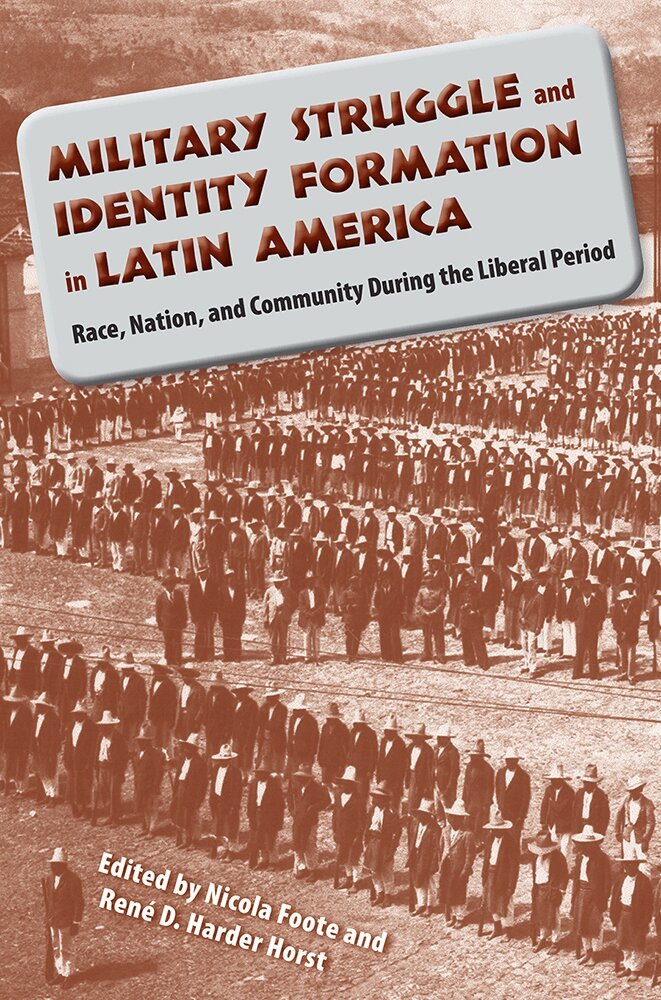
Military Struggle and Identity Formation in Latin America
Race, Nation and Community During the Liberal Period
Av Nicola Foote, Rene D. Harder Horst
Häftad, 2013
355 kr
Lägg i varukorg
Military engagements in Latin America between 1850 and 1950 helped shape emerging nation states and collective consciousness in profound and formative ways. This century, known as the liberal period, was an important time for state formation in the region, as well as for the development of current …
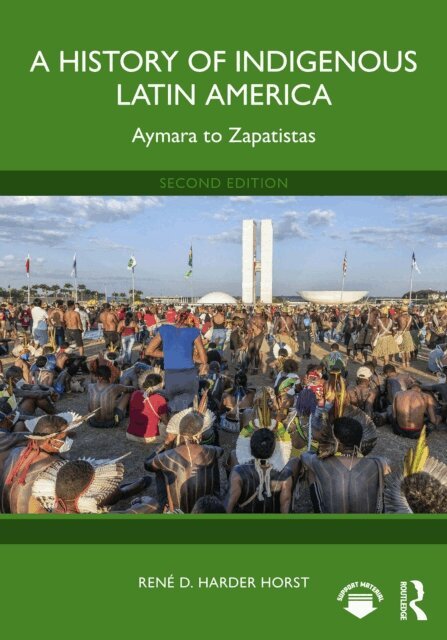
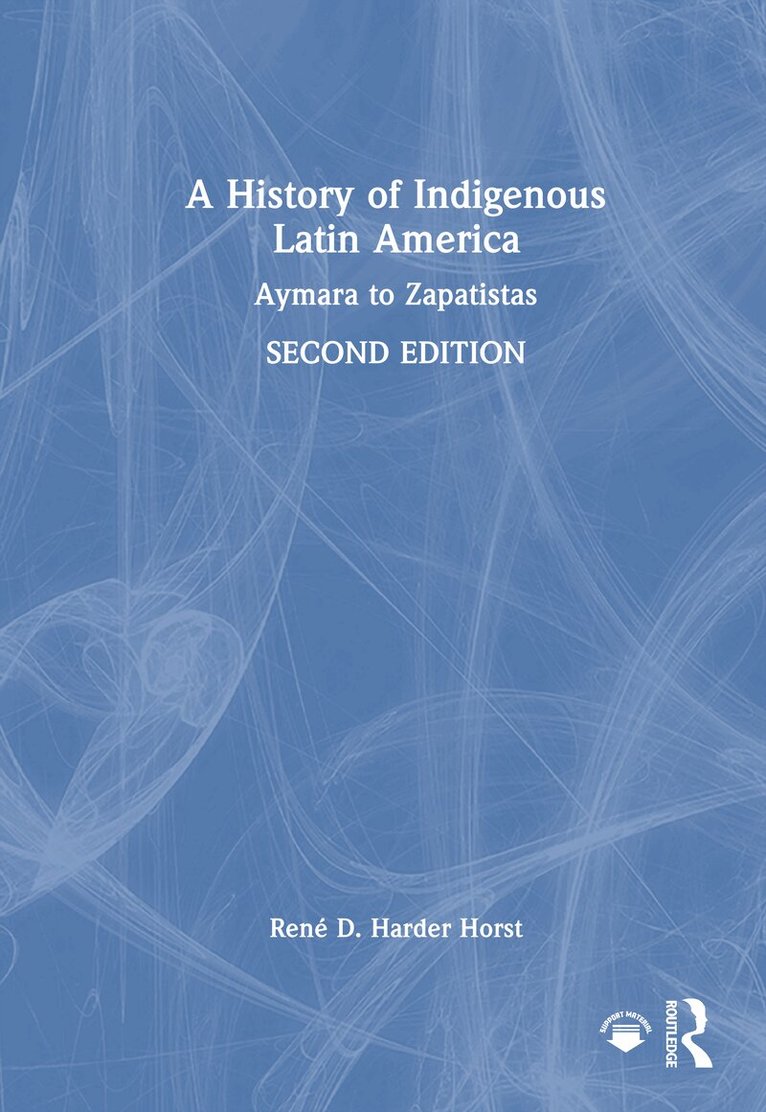
History of Indigenous Latin America
Aymara to Zapatistas
E-bok, 2026
785 kr
Lägg i varukorg
In its second edition, this book provides a comprehensive Indigenous perspective on Latin American political, social, and economic changes from pre-colonization to the present.Set within a postcolonial framework and enhanced by interdisciplinary insights from anthropology, economics, sociology, and …
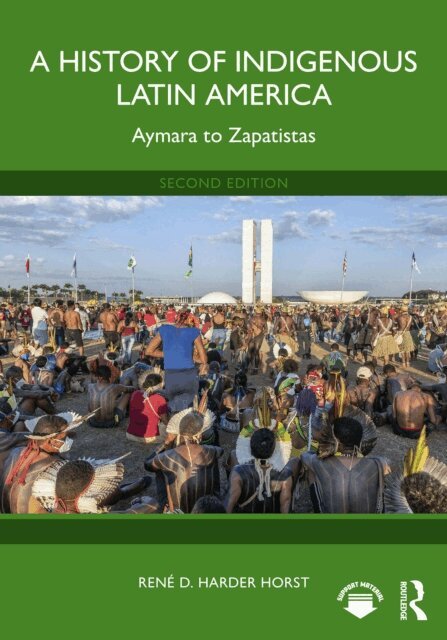
History of Indigenous Latin America
Aymara to Zapatistas
E-bok, 2026
785 kr
Lägg i varukorg
In its second edition, this book provides a comprehensive Indigenous perspective on Latin American political, social, and economic changes from pre-colonization to the present.Set within a postcolonial framework and enhanced by interdisciplinary insights from anthropology, economics, sociology, and …
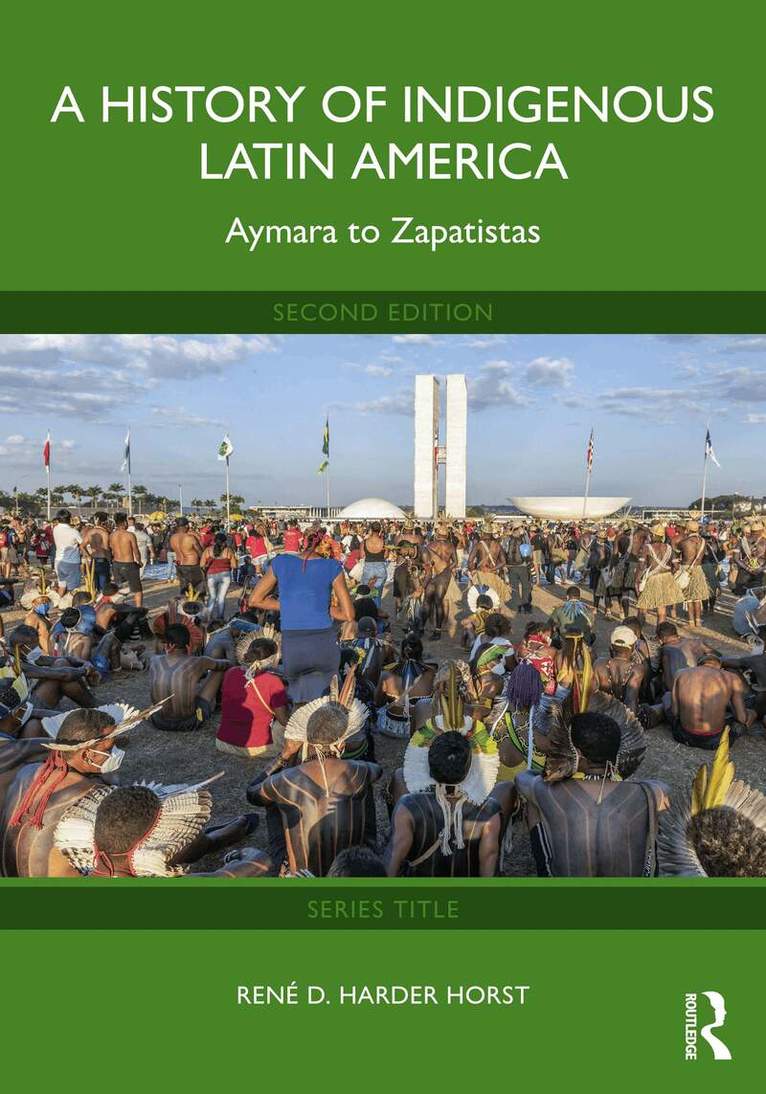
History of Indigenous Latin America
Aymara to Zapatistas
Häftad, 2026
665 kr
Lägg i varukorg
In its second edition, this book provides a comprehensive Indigenous perspective on Latin American political, social, and economic changes from pre-colonization to the present.Set within a postcolonial framework and enhanced by interdisciplinary insights from anthropology, economics, sociology, and …
History of Indigenous Latin America
Aymara to Zapatistas
Inbunden, 2026
2578 kr
Lägg i varukorg
In its second edition, this book provides a comprehensive Indigenous perspective on Latin American political, social, and economic changes from pre-colonization to the present.Set within a postcolonial framework and enhanced by interdisciplinary insights from anthropology, economics, sociology, and …