Reva Wolf – författare
Visar alla böcker från författaren Reva Wolf. Handla med fri frakt och snabb leverans.
12 produkter
I'll Be Your Mirror
The Selected Andy Warhol Interviews
Av Kenneth Goldsmith, Wayne Kostenbaum m. fl.
Häftad, 2004
239 kr
Lägg i varukorg
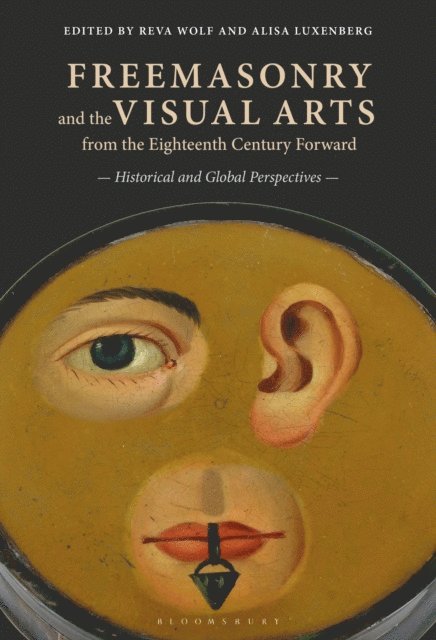
Freemasonry and the Visual Arts from the Eighteenth Century Forward
Historical and Global Perspectives
E-bok, 2019
452 kr
Lägg i varukorg
Choice Outstanding Academic Title for 2020 With the dramatic rise of Freemasonry in the eighteenth century, art played a fundamental role in its practice, rhetoric, and global dissemination, while Freemasonry, in turn, directly influenced developments in art. This mutually enhancing relationship …
Freemasonry and the Visual Arts from the Eighteenth Century Forward
Historical and Global Perspectives
E-bok, 2019
452 kr
Lägg i varukorg
Choice Outstanding Academic Title for 2020 With the dramatic rise of Freemasonry in the eighteenth century, art played a fundamental role in its practice, rhetoric, and global dissemination, while Freemasonry, in turn, directly influenced developments in art. This mutually enhancing relationship …
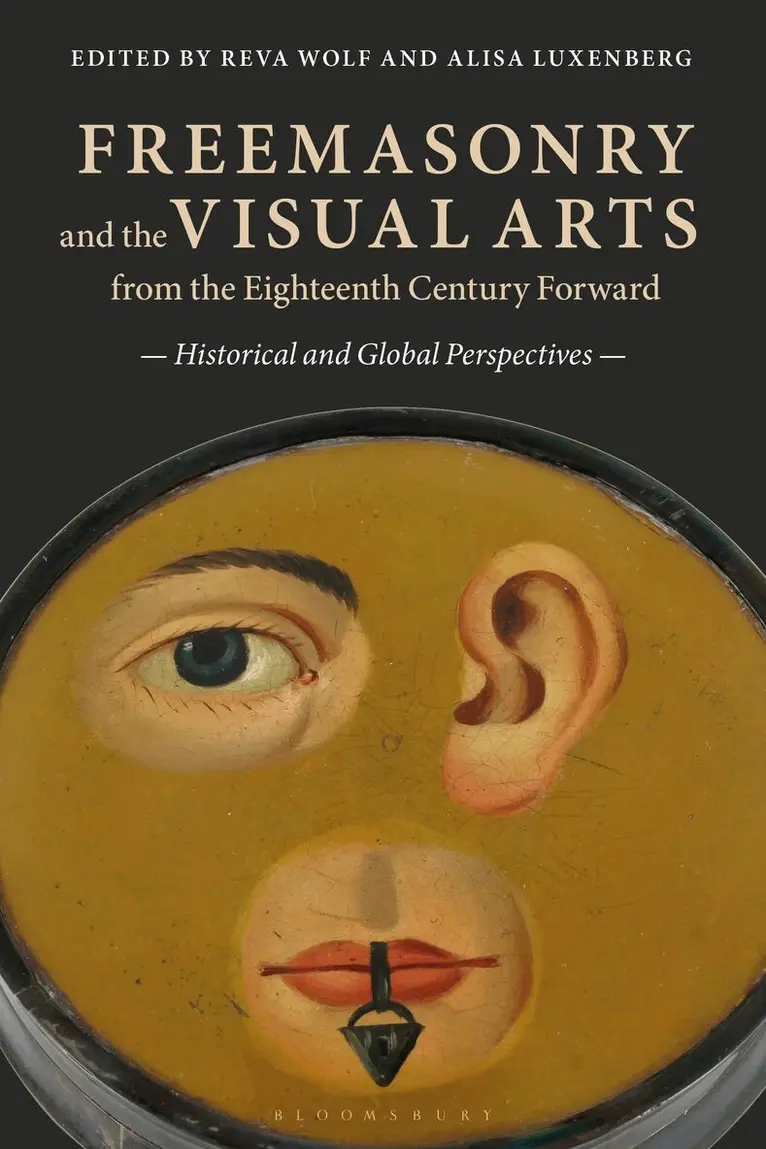
Freemasonry and the Visual Arts from the Eighteenth Century Forward
Historical and Global Perspectives
Häftad, 2020
403 kr
Lägg i varukorg
Choice Outstanding Academic Title for 2020With the dramatic rise of Freemasonry in the eighteenth century, art played a fundamental role in its practice, rhetoric, and global dissemination, while Freemasonry, in turn, directly influenced developments in art. This mutually enhancing relationship has …
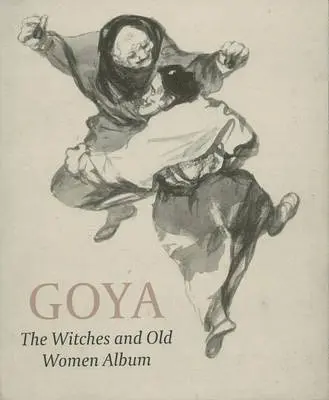
Goya
The Witches and Old Women Album
Av Reva Wolf, Juliet Wilson-Bareau m. fl.
Häftad, 2015
5,0 utav 5 stjärnor. Totalt antal röster: (2)
374 kr
Lägg i varukorg
This groundbreaking reconstruction of Goya's so-called 'Witches and Old Women' album will offer rich insights into the artist's concerns and preoccupations and will immeasurably deepen our understanding of the artist. With its themes of witchcraft, madness and nightmares, the predominant imagery of …
Translating Warhol
Av Reva Wolf
Inbunden, 2024
1416 kr
Lägg i varukorg
The first study of the translations of Andy Warhol's writing and ideas, Translating Warhol reveals how translation has alternately censored, exposed, or otherwise affected the presentation of his political and social positions and attitudes and, in turn, the value we place on his art and …
Translating Warhol
Av Reva Wolf
Häftad, 2026
441 kr
Lägg i varukorg
The first study of the translations of Andy Warhol's writing and ideas, Translating Warhol reveals how translation has alternately censored, exposed, or otherwise affected the presentation of his political and social positions and attitudes and, in turn, the value we place on his art and …
Translating Warhol
Av Reva Wolf
E-bok, 2024
465 kr
Lägg i varukorg
The first study of the translations of Andy Warhol''s writing and ideas, Translating Warhol reveals how translation has alternately censored, exposed, or otherwise affected the presentation of his political and social positions and attitudes and, in turn, the value we place on his art and person. …
Translating Warhol
Av Reva Wolf
E-bok, 2024
480 kr
Lägg i varukorg
The first study of the translations of Andy Warhol''s writing and ideas, Translating Warhol reveals how translation has alternately censored, exposed, or otherwise affected the presentation of his political and social positions and attitudes and, in turn, the value we place on his art and person. …
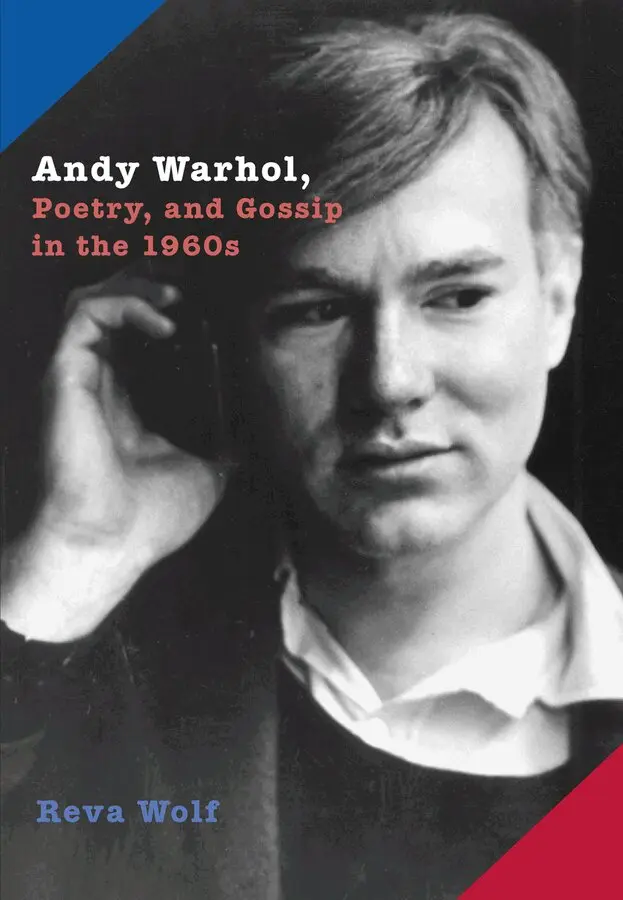
Andy Warhol, Poetry, and Gossip in the 1960s
Av Reva Wolf
Häftad, 1997
512 kr
Tillfälligt slut
Andy Warhol is usually remembered as the artist who said that he wanted to be a machine, and that no one need ever look further than the surface when evaluating him or his art. Arguing against this carefully-crafted pop image, Reva Wolf shows that Warhol was in fact deeply emotionally engaged with …