R.G. Thurman – författare
Visar alla böcker från författaren R.G. Thurman. Handla med fri frakt och snabb leverans.
5 produkter
5 produkter
Inbunden, Engelska, 1989
2 174 kr
Skickas inom 10-15 vardagar
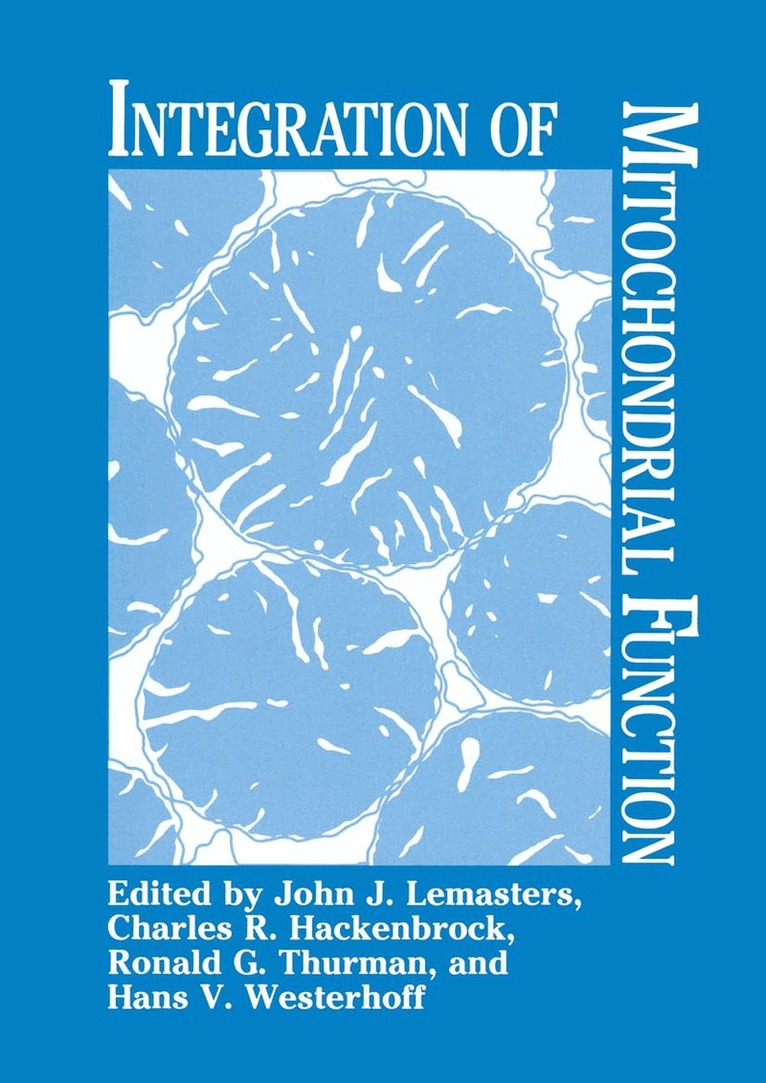
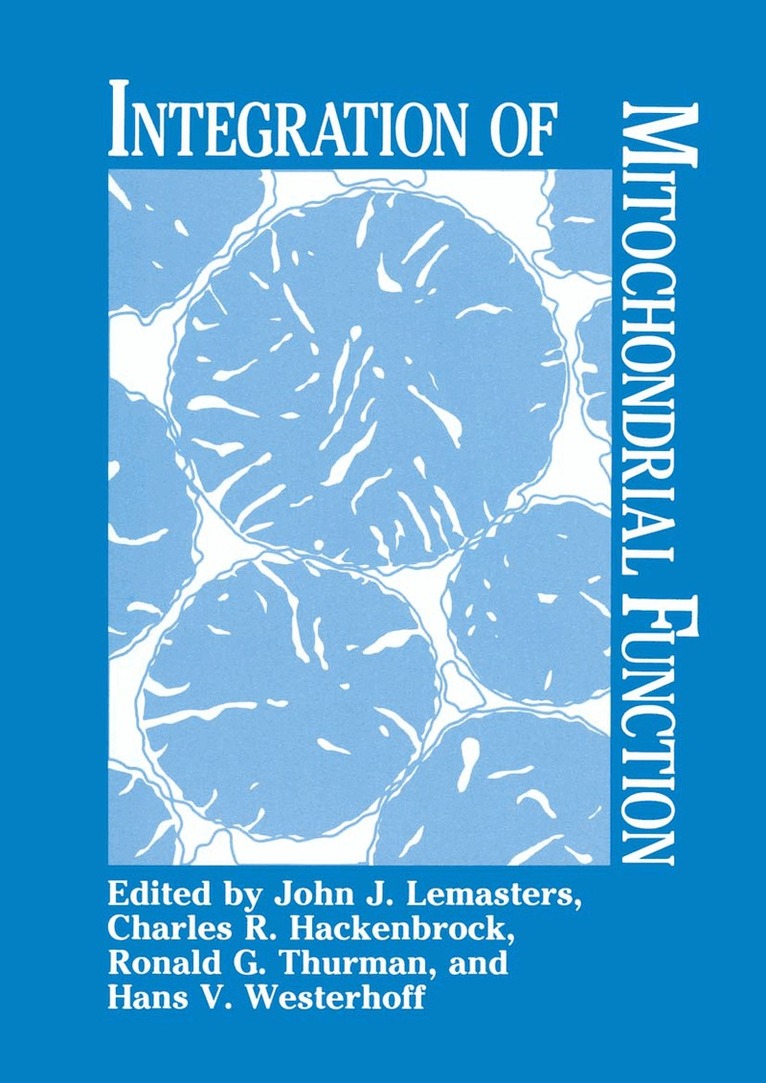
In aerobic tissues such as heart, brain, kidney, liver and brown fat, mitochon- dria account for more than 20% of cell protein and play an essential role in res- piration, ATP formation, ketogenesis, gluconeogenesis, amino acid metabolism, ureagenesis, thermogenesis and a variety of other metabolic activities. The mecha- nisms by which these activities are integrated and regulated within the overall context of cellular physiology is of much current research interest. In order to bring together scientists examining the various diverse aspects of this overall pro- blem, an International Conference on INTEGRATION OF MITOCHONDRIAL FUNC- TION was held June 4-7, 1987 at the Hanes Art Center on the campus of the Uni- versity of North Carolina at Chapel Hill. The chapters of this volume derive from presentations made at this conference. The focus of INTEGRATION OF MITOCHONDRIAL FUNCTION is on signifi- cant new experimental and theoretical advances concerning integration of mito- chondrial function at the organelle, cell, tissue and whole organism levels of organization.
E-bok
PDF, Engelska, 20121 408 kr
Läs direkt efter köp
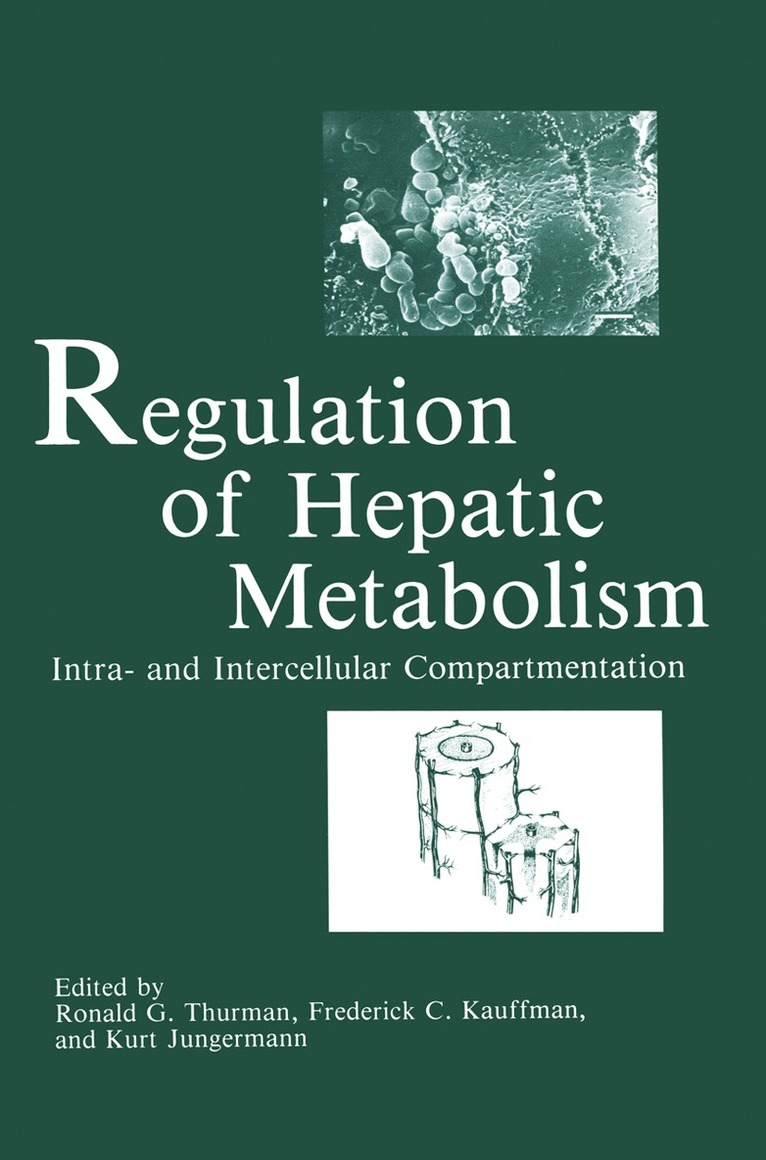
The liver is an exceptionally complex and diverse organ that functions both as an exocrine and an endocrine gland. It secretes bile, which contains many con stituents in addition to bile salts, and it synthesizes and releases many substances in response to the body''s demands, including prohormones, albumin, clotting factors, glucose, fatty acids, and various lipoproteins. It has a dual blood supply providing a rich mixture of nutrients and other absorbed substances via the portal vein and oxygen-rich blood via the hepatic artery. This functional heterogeneity is accompanied by cellular heterogeneity. The liver contains many cell types including hepatic parachymal cells, Kiipffer cells, Ito cells, and endothelial cells. The most abundant cell type, the parenchymal cells, are biochemically and structurally heterogeneous. The cells in the oxygen-rich areas of the portal triad appear more dependent on oxidative metabolism, whereas those around the central vein (pericentral, perivenous, or centrolobular areas) are more dependent upon an anaerobic mechanism. Throughout this volume the latter three terms are used synonymously by various authors to indicate the five to eight layers of cells radiating from the central vein. Structural and metabolic heterogeneity of hepatic parenchymal cells has been demonstrated by a variety of approaches, including histochemical, ultra structural, and ultramicrobiochemical studies. This microheterogeneity is linked to the physiological functions of the liver and its response to injurious substances.
Häftad, Engelska, 2012
1 123 kr
Skickas inom 10-15 vardagar
The liver is an exceptionally complex and diverse organ that functions both as an exocrine and an endocrine gland. It secretes bile, which contains many con stituents in addition to bile salts, and it synthesizes and releases many substances in response to the body's demands, including prohormones, albumin, clotting factors, glucose, fatty acids, and various lipoproteins. It has a dual blood supply providing a rich mixture of nutrients and other absorbed substances via the portal vein and oxygen-rich blood via the hepatic artery. This functional heterogeneity is accompanied by cellular heterogeneity. The liver contains many cell types including hepatic parachymal cells, Kiipffer cells, Ito cells, and endothelial cells. The most abundant cell type, the parenchymal cells, are biochemically and structurally heterogeneous. The cells in the oxygen-rich areas of the portal triad appear more dependent on oxidative metabolism, whereas those around the central vein (pericentral, perivenous, or centrolobular areas) are more dependent upon an anaerobic mechanism. Throughout this volume the latter three terms are used synonymously by various authors to indicate the five to eight layers of cells radiating from the central vein. Structural and metabolic heterogeneity of hepatic parenchymal cells has been demonstrated by a variety of approaches, including histochemical, ultra structural, and ultramicrobiochemical studies. This microheterogeneity is linked to the physiological functions of the liver and its response to injurious substances.
E-bok
PDF, Engelska, 20132 765 kr
Läs direkt efter köp
Häftad, Engelska, 2013
2 174 kr
Skickas inom 10-15 vardagar
In aerobic tissues such as heart, brain, kidney, liver and brown fat, mitochon- dria account for more than 20% of cell protein and play an essential role in res- piration, ATP formation, ketogenesis, gluconeogenesis, amino acid metabolism, ureagenesis, thermogenesis and a variety of other metabolic activities. The mecha- nisms by which these activities are integrated and regulated within the overall context of cellular physiology is of much current research interest. In order to bring together scientists examining the various diverse aspects of this overall pro- blem, an International Conference on INTEGRATION OF MITOCHONDRIAL FUNC- TION was held June 4-7, 1987 at the Hanes Art Center on the campus of the Uni- versity of North Carolina at Chapel Hill. The chapters of this volume derive from presentations made at this conference. The focus of INTEGRATION OF MITOCHONDRIAL FUNCTION is on signifi- cant new experimental and theoretical advances concerning integration of mito- chondrial function at the organelle, cell, tissue and whole organism levels of organization.