
R.H. Jones – författare
Visar alla böcker från författaren . Handla med fri frakt och snabb leverans.
7 produkter
7 produkter
E-bok
Engelska, 20266 873 kr
Läs direkt efter köp
Volume 1 of 2, of the conference proceedings of ‘Ground Freezing 88’ of the fifth international symposium, held in Nottingham, UK on the 26-27 July 1988.
E-bok
PDF, Engelska, 20266 873 kr
Läs direkt efter köp
Volume 1 of 2, of the conference proceedings of ‘Ground Freezing 88’ of the fifth international symposium, held in Nottingham, UK on the 26-27 July 1988.

E-bok
PDF, Engelska, 2016783 kr
Läs direkt efter köp
Unbound Aggregates in Roads contains the proceedings of the International Symposium on Unbound Aggregates in Roads (UNBAR3) held at the University of Nottingham, England, on April 11-13, 1989. The papers focus on unbound aggregates used in road construction and cover topics ranging from drainage and permeability to placement and compaction of unbound aggregates, design philosophy, specification, and compliance. This book consists of 49 chapters divided into eight sections and opens with an overview of the functions of unbound aggregates in roads, followed by a discussion on the mechanical properties of different aggregates and theoretical aspects of granular materials. The following chapters focus on granular drainage layers in pavement foundations; residual stresses caused by compaction in granular materials; and alternative materials for road construction such as steel slags and natural and waste materials. The use of unbound road aggregates in various countries such as Italy, France, Germany, and Portugal is also considered. This monograph will be a useful resource for designers, aggregate producers, contractors, specification writers, and materials engineers.
Inbunden, Engelska, 1988
7 228 kr
Skickas inom 5-8 vardagar
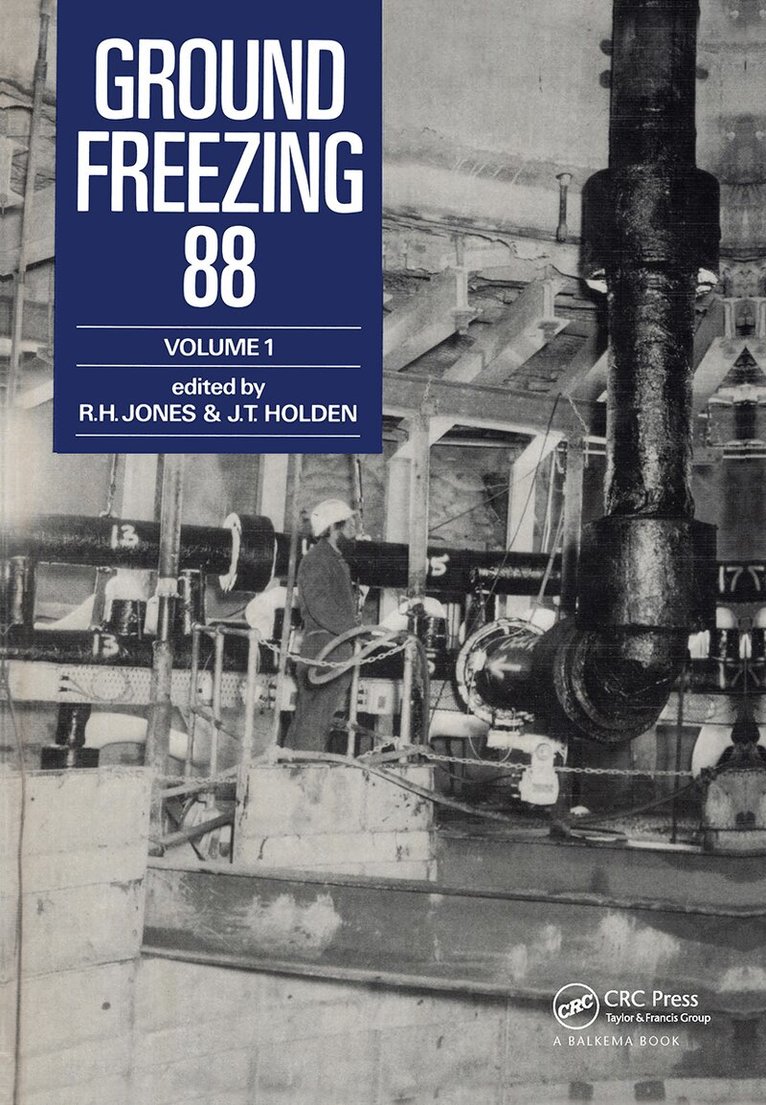
Volume 1 of 2, of the conference proceedings of ‘Ground Freezing 88’ of the fifth international symposium, held in Nottingham, UK on the 26-27 July 1988.
Inbunden, Engelska, 1989
4 034 kr
Skickas inom 5-8 vardagar
Volume 2 of 2, of the conference proceedings of ‘Ground Freezing 88’ of the fifth international symposium, held in Nottingham, UK on the 26-27 July 1988.
E-bok
PDF, Engelska, 2012710 kr
Läs direkt efter köp
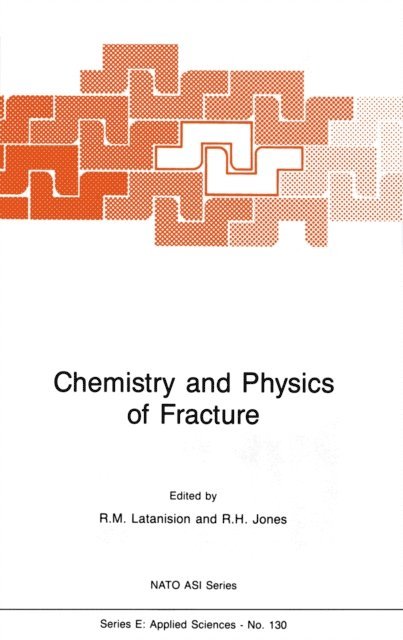
For many years it has been recognized that engineering materials that are-tough and ductile can be rendered susceptible to premature fracture through their reaction with the environment. Over 100 years ago, Reynolds associated hydrogen with detrimental effects on the ductility of iron. The "season cracking" of brass has been a known problem for dec ades, but the mechanisms for this stress-corrosion process are only today being elucidated. In more recent times, the mechanical properties of most engineering materials have been shown to be adversely affected by hydrogen embrittlement or stress-corrosion cracking. Early studies of environmental effects on crack growth attempted to identify a unified theory to explain the crack growth behavior of groups of materials in a variety of environments. It is currently understood that there are numerous stress-corrosion processes some of which may be common to several materials, but that the crack growth behavior of a given material is dependent on microstructure, microchemistry, mechanics, surface chemistry, and solution chemistry. Although the mechanism by which various chemical species in the environment may cause cracks to propagate in some materials but not in others is very complex, the net result of all environmentally induced fracture is the reduction in the force and energy associated with the tensile or shear separation of atoms at the crack tip.
Häftad, Engelska, 2011
541 kr
Skickas inom 10-15 vardagar
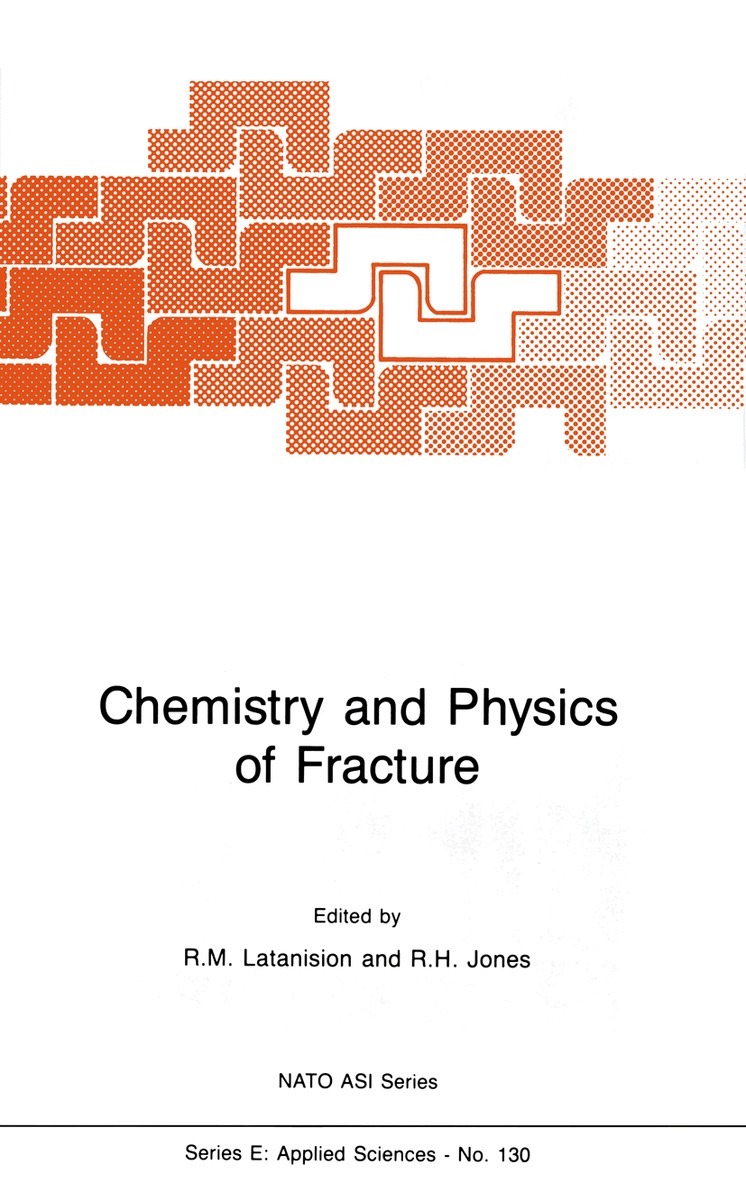
For many years it has been recognized that engineering materials that are-tough and ductile can be rendered susceptible to premature fracture through their reaction with the environment. Over 100 years ago, Reynolds associated hydrogen with detrimental effects on the ductility of iron. The "season cracking" of brass has been a known problem for dec ades, but the mechanisms for this stress-corrosion process are only today being elucidated. In more recent times, the mechanical properties of most engineering materials have been shown to be adversely affected by hydrogen embrittlement or stress-corrosion cracking. Early studies of environmental effects on crack growth attempted to identify a unified theory to explain the crack growth behavior of groups of materials in a variety of environments. It is currently understood that there are numerous stress-corrosion processes some of which may be common to several materials, but that the crack growth behavior of a given material is dependent on microstructure, microchemistry, mechanics, surface chemistry, and solution chemistry. Although the mechanism by which various chemical species in the environment may cause cracks to propagate in some materials but not in others is very complex, the net result of all environmentally induced fracture is the reduction in the force and energy associated with the tensile or shear separation of atoms at the crack tip.