Rhonda L. Hinther – författare
Visar alla böcker från författaren Rhonda L. Hinther. Handla med fri frakt och snabb leverans.
10 produkter
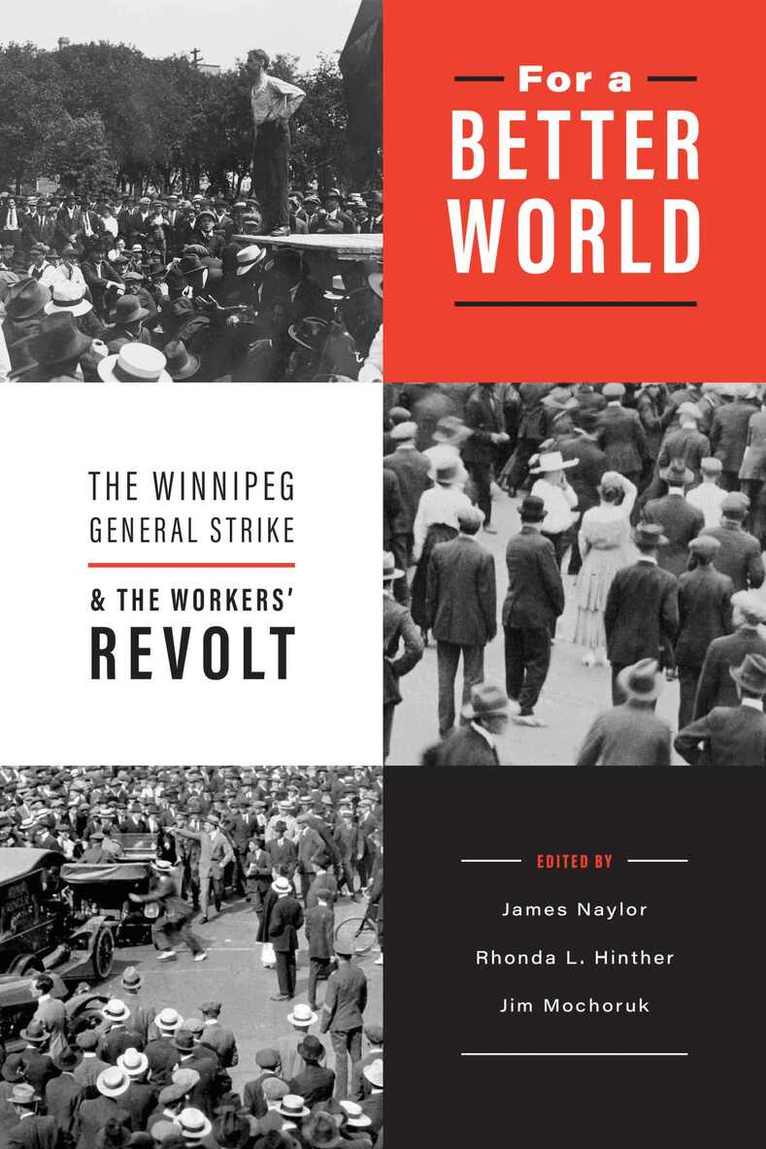
For a Better World
The Winnipeg General Strike and the Workers' Revolt
Av James Naylor, Rhonda L. Hinther m. fl.
Inbunden, 2022
819 kr
Lägg i varukorg
For a Better World
The Winnipeg General Strike and the Workers' Revolt
Av James Naylor, Rhonda L. Hinther m. fl.
Häftad, 2022
355 kr
Lägg i varukorg
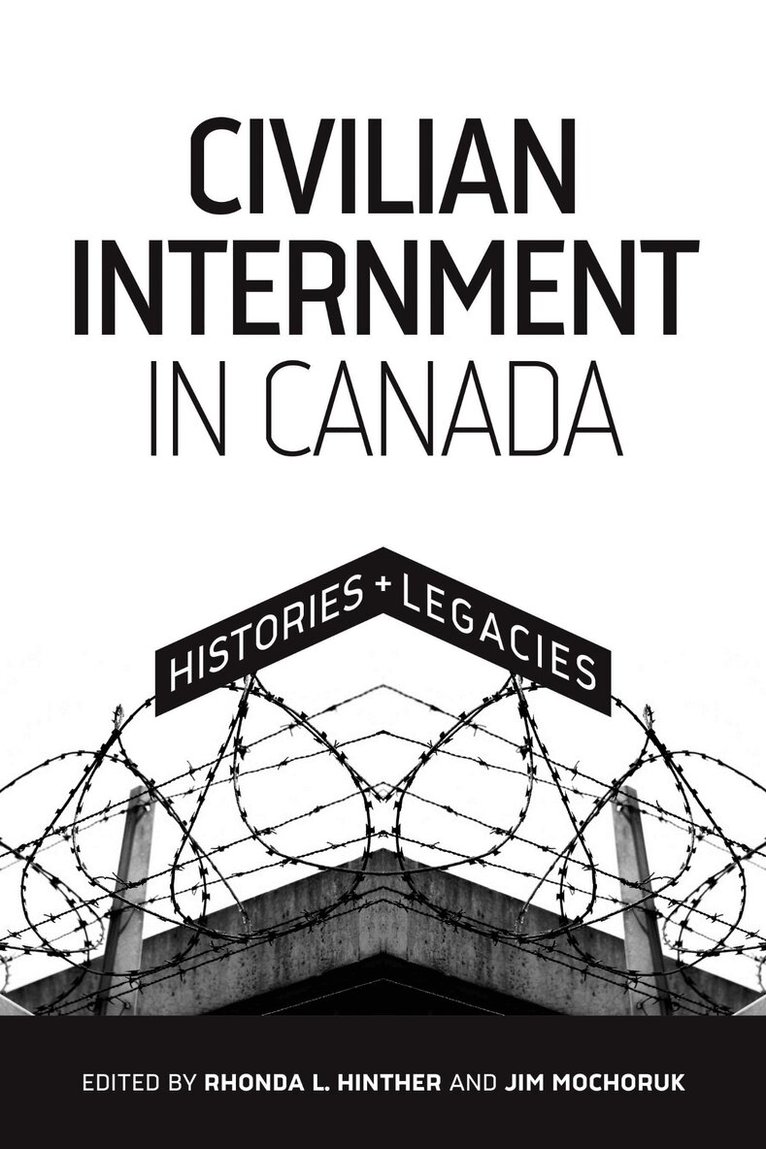
Civilian Internment in Canada
Histories and Legacies
Av Rhonda L. Hinther, Jim Mochoruk
Häftad, 2020
399 kr
Lägg i varukorg
Civilian Internment in Canada examines abuse of the civil rights and liberties of tens of thousands of Canadians and Canadian residents via internment from 1914 to the present day. This ongoing story spans both war and peacetime and has affected people from a wide variety of political backgrounds …
Civilian Internment in Canada
Histories and Legacies
Av Rhonda L. Hinther, Jim Mochoruk
Inbunden, 2020
819 kr
Lägg i varukorg
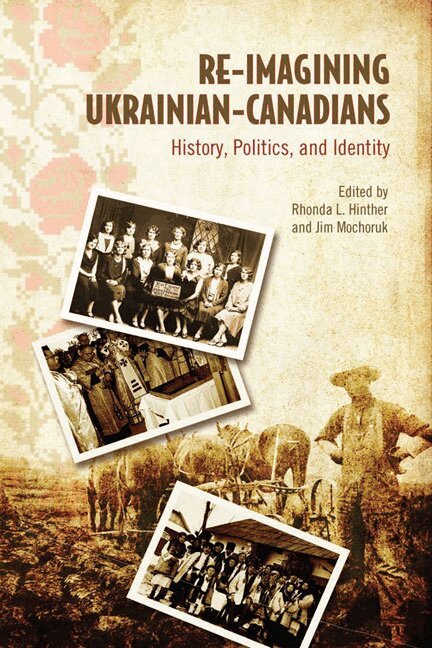
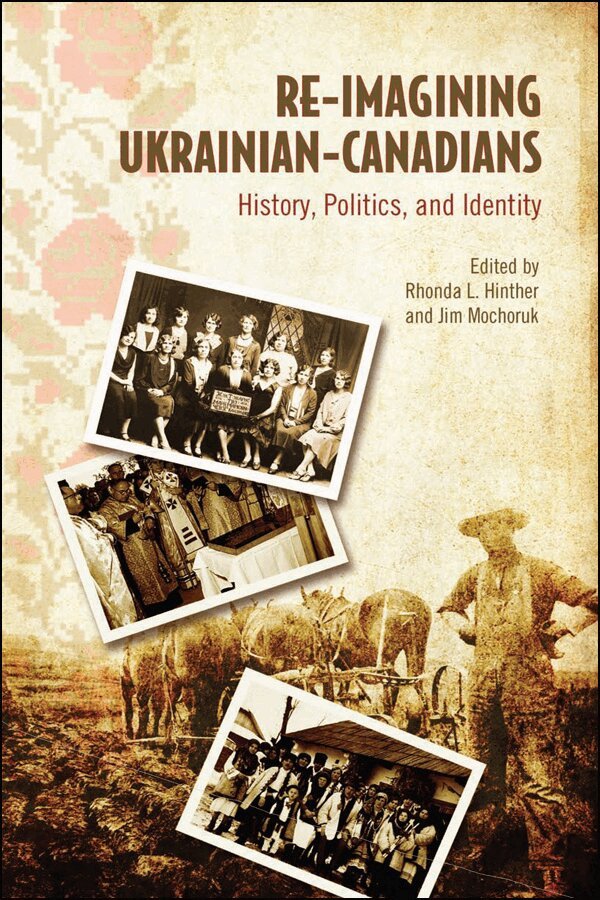
Re-Imagining Ukrainian-Canadians
History, Politics, and Identity
Av Rhonda L. Hinther, Jim Mochoruk
Häftad, 2011
467 kr
Lägg i varukorg
Ukrainian immigrants to Canada have often been portrayed in history as sturdy pioneer farmers cultivating the virgin land of the Canadian west. The essays in this collection challenge this stereotype by examining the varied experiences of Ukrainian-Canadians in their day-to-day roles as writers, …
Re-Imagining Ukrainian-Canadians
History, Politics, and Identity
Av Rhonda L. Hinther, Jim Mochoruk
E-bok, 2011
621 kr
Lägg i varukorg
Ukrainian immigrants to Canada have often been portrayed in history as sturdy pioneer farmers cultivating the virgin land of the Canadian west. The essays in this collection challenge this stereotype by examining the varied experiences of Ukrainian-Canadians in their day-to-day roles as writers, …
Re-Imagining Ukrainian-Canadians
History, Politics, and Identity
Av Rhonda L. Hinther, Jim Mochoruk
E-bok, 2011
537 kr
Lägg i varukorg
Ukrainian immigrants to Canada have often been portrayed in history as sturdy pioneer farmers cultivating the virgin land of the Canadian west. The essays in this collection challenge this stereotype by examining the varied experiences of Ukrainian-Canadians in their day-to-day roles as writers, …
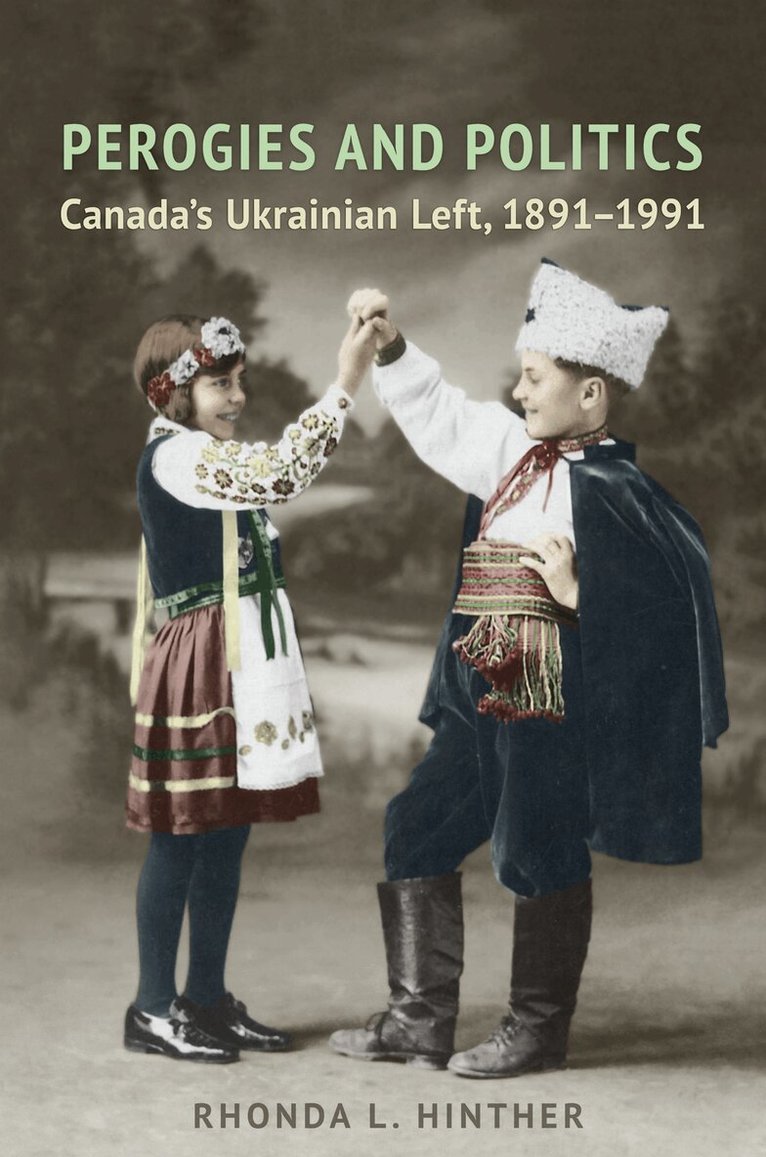
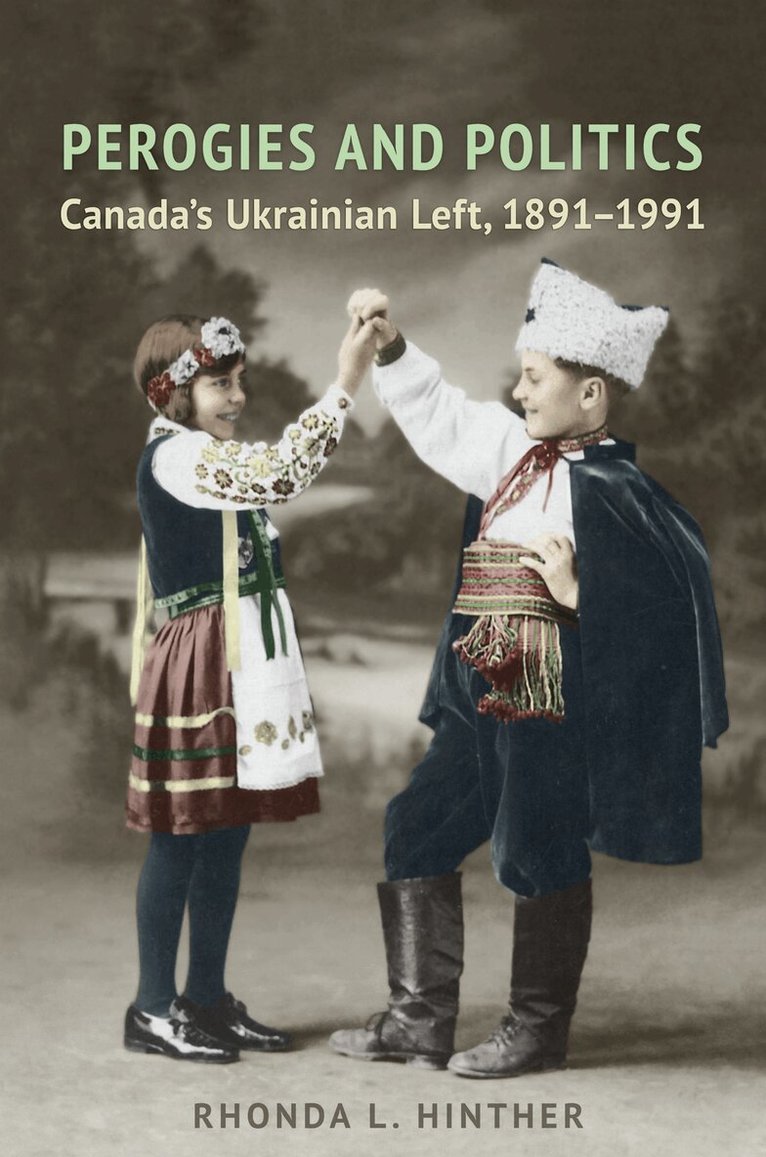
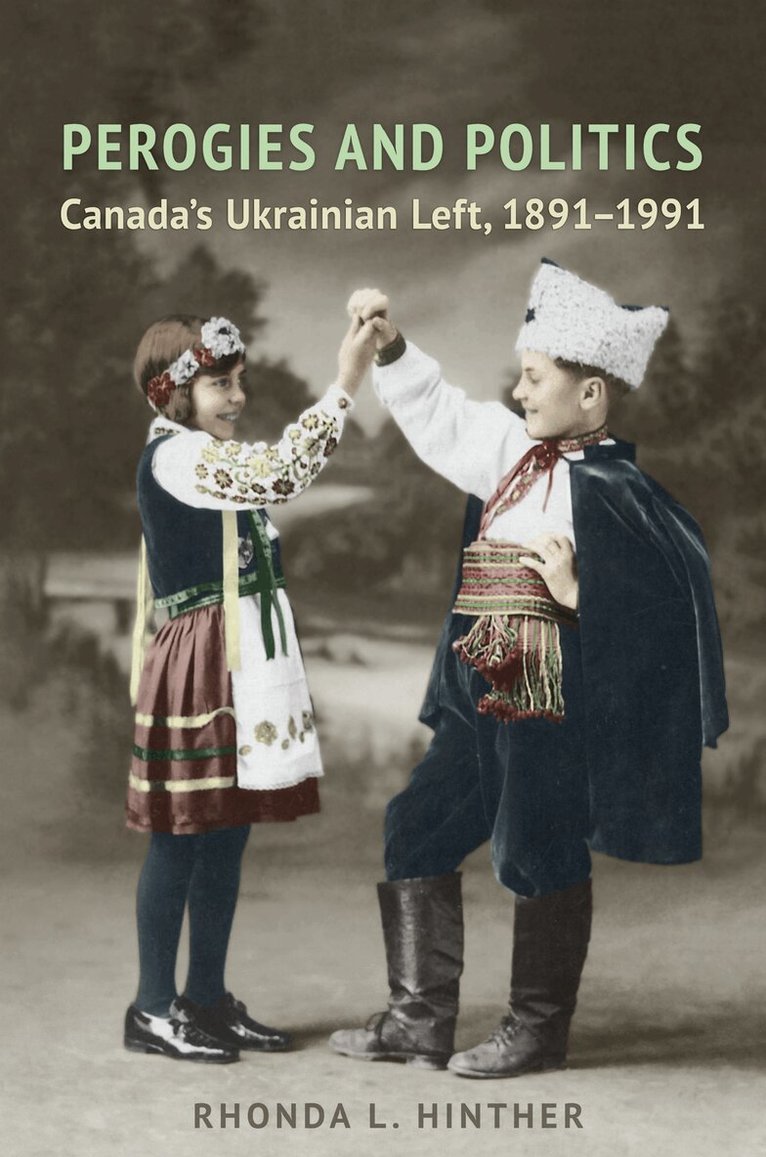
Perogies and Politics
Canada's Ukrainian Left, 1891-1991
Inbunden, 2018
697 kr
Lägg i varukorg
In Perogies and Politics, Rhonda Hinther explores the twentieth-century history of the Ukrainian left in Canada from the standpoint of the women, men, and children who formed and fostered it.For twentieth-century leftist Ukrainians, culture and politics were inextricably linked. The interaction of …
Perogies and Politics
Canada's Ukrainian Left, 1891-1991
E-bok, 2018
861 kr
Lägg i varukorg
In Perogies and Politics , Rhonda Hinther explores the twentieth-century history of the Ukrainian left in Canada from the standpoint of the women, men, and children who formed and fostered it. For twentieth-century leftist Ukrainians, culture and politics were inextricably linked. The interaction …
Perogies and Politics
Canada's Ukrainian Left, 1891-1991
E-bok, 2018
870 kr
Lägg i varukorg
In Perogies and Politics , Rhonda Hinther explores the twentieth-century history of the Ukrainian left in Canada from the standpoint of the women, men, and children who formed and fostered it. For twentieth-century leftist Ukrainians, culture and politics were inextricably linked. The interaction …