Ricardo Salvatore – författare
Visar alla böcker från författaren Ricardo Salvatore. Handla med fri frakt och snabb leverans.
6 produkter
6 produkter
Inbunden, Engelska, 2025
2 244 kr
Skickas inom 10-15 vardagar
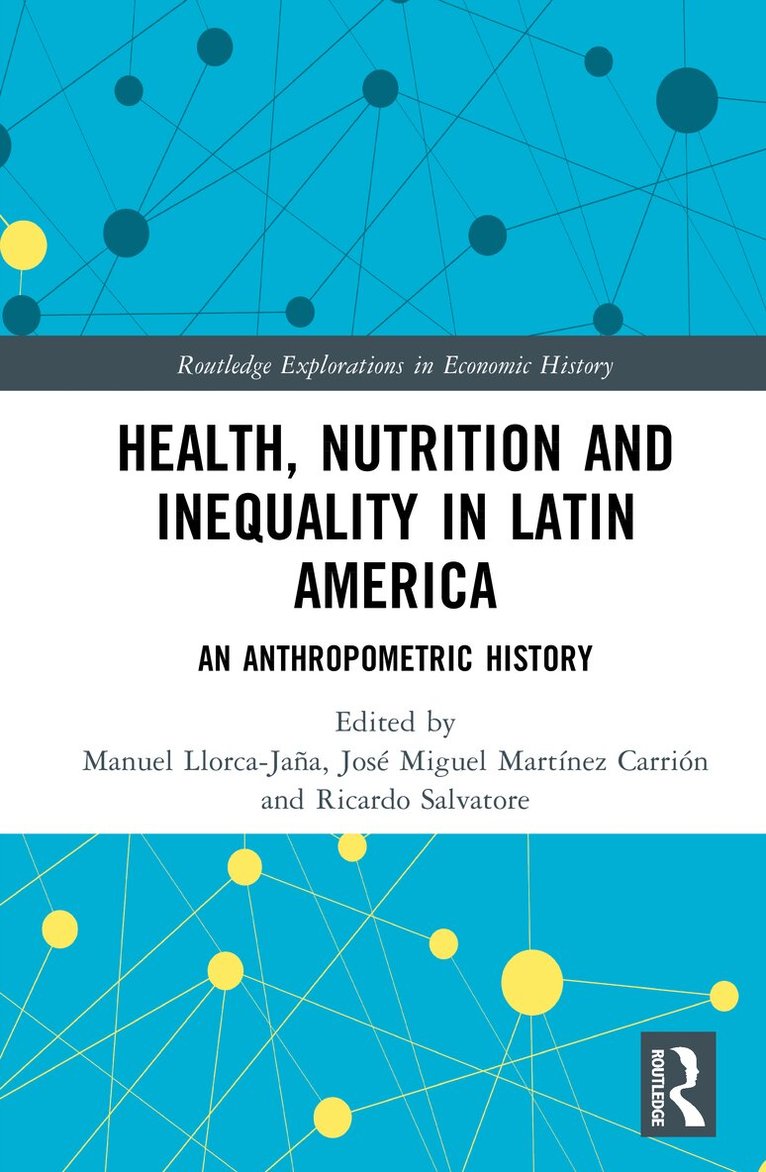
Drawing on anthropometric data, this book examines the evolution of biological living standards of Latin American populations and evaluates the inequality of nutrition and health in the region in the modern era.Utilising data from the 19th and 20th centuries, and providing broad coverage of Latin America, the chapters analyse the following topics: the evolution of stature before and after independence; the effects of economic modernisation since the 1870s and 1880s, that were accompanied by profound political, demographic, epidemiological and environmental changes that affected biological well-being of the population; the trend and evolution of anthropometric measures associated with nutritional, demographic and epidemiological transitions; the prevalence of malnutrition associated with stunting and obesity in traditional and modern societies, both rural and urban; the reduction or expansion of regional, social, income and educational differences in biological living standards as measured by mean heights; and the evolution of stature sexual dimorphism and the comparative importance of nutritional inequality by race and gender. The book highlights, on the one hand, the importance of anthropometric indicators to analyse living standards and human well-being in historical perspective and, on the other hand, the value of an interdisciplinary approach in examining questions of human growth and biological wellbeing.The book will be of great interest to readers in economic history, Latin American history and studies and the history of inequality and living standards.
E-bok
PDF, Engelska, 2025776 kr
Läs direkt efter köp
Drawing on anthropometric data, this book examines the evolution of biological living standards of Latin American populations and evaluates the inequality of nutrition and health in the region in the modern era.Utilising data from the 19th and 20th centuries, and providing broad coverage of Latin America, the chapters analyse the following topics: the evolution of stature before and after independence; the effects of economic modernisation since the 1870s and 1880s, that were accompanied by profound political, demographic, epidemiological and environmental changes that affected biological well-being of the population; the trend and evolution of anthropometric measures associated with nutritional, demographic and epidemiological transitions; the prevalence of malnutrition associated with stunting and obesity in traditional and modern societies, both rural and urban; the reduction or expansion of regional, social, income and educational differences in biological living standards as measured by mean heights; and the evolution of stature sexual dimorphism and the comparative importance of nutritional inequality by race and gender. The book highlights, on the one hand, the importance of anthropometric indicators to analyse living standards and human well-being in historical perspective and, on the other hand, the value of an interdisciplinary approach in examining questions of human growth and biological wellbeing.The book will be of great interest to readers in economic history, Latin American history and studies and the history of inequality and living standards.
E-bok
Engelska, 2025769 kr
Läs direkt efter köp
Drawing on anthropometric data, this book examines the evolution of biological living standards of Latin American populations and evaluates the inequality of nutrition and health in the region in the modern era.Utilising data from the 19th and 20th centuries, and providing broad coverage of Latin America, the chapters analyse the following topics: the evolution of stature before and after independence; the effects of economic modernisation since the 1870s and 1880s, that were accompanied by profound political, demographic, epidemiological and environmental changes that affected biological well-being of the population; the trend and evolution of anthropometric measures associated with nutritional, demographic and epidemiological transitions; the prevalence of malnutrition associated with stunting and obesity in traditional and modern societies, both rural and urban; the reduction or expansion of regional, social, income and educational differences in biological living standards as measured by mean heights; and the evolution of stature sexual dimorphism and the comparative importance of nutritional inequality by race and gender. The book highlights, on the one hand, the importance of anthropometric indicators to analyse living standards and human well-being in historical perspective and, on the other hand, the value of an interdisciplinary approach in examining questions of human growth and biological wellbeing.The book will be of great interest to readers in economic history, Latin American history and studies and the history of inequality and living standards.
Häftad, Engelska, 2013
274 kr
Skickas inom 11-20 vardagar
Written by leading scholars from the Americas and Europe, this is a thorough assessment of state-supported murder and violence in Latin America. Examines the trajectory of murder and violence in the region over the past two centuries and elucidates theories and trends regarding violence since the end of colonial rule Covers topics such as “the disappeared,” the rise of drug cartels and narco-violence, physical violence against wives, the judging and sentencing of violent crimes, genocide, and state terrorism Explains and applies macro-level theories regarding the rise of civilization, state building, and violence to contemporary Latin America Demonstrates the complexity of an issue at the forefront of life and politics in the region today
E-bok
Spanska, 2018147 kr
Läs direkt efter köp
El futuro de las bibliotecas tal como las hemos conocido en los últimos siglos ha ingresado en un periodo de incertidumbre debido a las innovaciones tecnológicas y a los cambios en las formas de adquisición de conocimiento. Sin embargo, la acumulación de libros y documentos continúa ejerciendo una influencia decisiva sobre la manera como nos relacionamos con el mundo del conocimiento, la educación y la producción científica y académica. Reconstruir la historia de las bibliotecas nos ayuda a entender una variedad de procesos históricos y nos ofrece un fascinante recorrido por la conformación de imaginarnos en torno a la cultura, la creación artística y literaria, y la producción y difusión de conocimientos.Este volumen, editado por Carlos Aguirre y Ricardo D. Salvatore, intenta echar nuevas luces sobre la historia de las bibliotecas en América Latina –bibliotecas privadas, religiosas, públicas, nacionales- y, en particular, sobre su rol en los conflictos sociales y culturales, la formación de los estados-nación, los procesos de cambio político e institucional, la alfabetización y escolarización de las poblaciones, y la acumulación de capital cultural y simbólico. Este conjunto de ensayos intenta contribuir a la historia de las bibliotecas y, a la vez, abrir líneas de conversación con otras profesiones y saberes también interesados en la cuestión de la preservación de los activos culturales, la difusión del conocimiento y las tensiones y debates que ellos generan.
E-bok
PDF, Spanska, 2020193 kr
Läs direkt efter köp
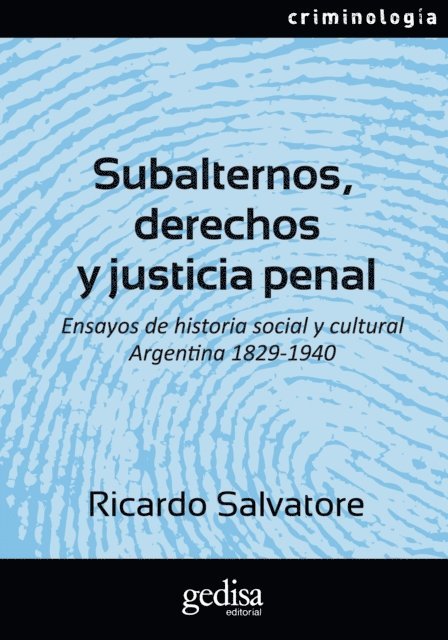
Estamos acostumbrados a examinar la justicia penal desde la cultural legal estatal. Desde el estado, la profesión legal y las instituciones educativas del derecho se construye la figura del delincuente y se define el problema de la criminalidad. En momentos en que los sistemas judicial y policial atraviesan una profunda crisis de credibilidad, Ricardo Salvatore nos propone una nueva perspectiva teórica que permite analizar la historia social y cultural argentina sin excluir la cultura legal de los grupos subalternos.¿Cómo influyen sobre los derechos de los subalternos los procesos de modernización legal, procesal y penal? ¿En qué medida los tribunales son instrumentos que utilizan las elites para resolver problemáticas políticas, legados históricos, o ansiedades sociales? ¿Cómo se utilizan las teorías criminológicas y jurídicas y las prácticas judiciales y penales para observar y estudiar los problemas sociales?Una preocupación central guía el análisis de Salvatore: la posibilidad de comprender los trazos más firmes de la cultura legal estatal para poner en duda sus supuestos y preconcepciones. Pero también, y principalmente, rescatar y articular fragmentos de voces subalternas poniéndolas en consonancia con cuestiones fundamentales de nuestra realidad política y social como la libertad de trabajo, el derecho al debido proceso o la igualdad ante la ley. Gracias al análisis y exhumación de posiciones subalternas Ricardo Salvatore comienza en este libro la necesaria reevaluación del devenir histórico de la justicia penal en la Argentina.