Richard Alfred - Böcker
Visar alla böcker från författaren Richard Alfred. Handla med fri frakt och snabb leverans.
5 produkter
5 produkter
553 kr
Skickas inom 10-15 vardagar
Imagine that you are a corporate executive or small business owner in a midwestern city under water after weeks of extreme weather and drenching rainfall. Infrastructure has been damaged beyond repair, transportation arteries are closed, and your supply chain is broken. Families have been driven from homes, food and water are in short supply, and people are becoming unruly. Government agencies are not in a position to help. Declining revenue and partisan antipathy fueled by ideological differences have eroded confidence in government. The city is in total disrepair and unable to deliver desperately needed services. It is edging toward implosion and community leaders have turned to you for help. Catastrophe that would have been unthinkable in earlier times is a reality in a world coming out of pandemic and facing existential threats such as climate change, inequality and global conflict. Catastrophic Risk: Business Strategy for Managing Turbulence in a World at Risk challenges business to step up and assume a pivotal role with communities under stress due to prolonged exposure to risk. When powerful societal forces meet behavior that deters response to risk, the consequences of risk are exacerbated. The compounding effect of behavior on risk has opened an important role for business in mobilizing people and communities in times of crisis. It is a role that cannot be fulfilled, however, without purpose, strategy and plans sufficiently robust to overcome the threat of risk. To prosper in this environment, business will need to make a significant contribution to society as well as to deliver financial performance. For companies, this will mean involvement in community in ways that significantly depart from current practice. For leaders, it will mean new skills—contextual sensitivity, a greater understanding of behavioral dynamics, and enhanced capacity to relate to people on an emotive basis. This book is about the relationship between risk, societal forces and human behavior—a relationship informed by the sciences that is critically important for business. Its goal is two-fold: to bring catastrophic risk to the world of business and to further business engagement in service to the common good.
Catastrophic Risk
Business Strategy for Managing Turbulence in a World at Risk
Inbunden, Engelska, 2021
2 036 kr
Skickas inom 10-15 vardagar
Imagine that you are a corporate executive or small business owner in a midwestern city under water after weeks of extreme weather and drenching rainfall. Infrastructure has been damaged beyond repair, transportation arteries are closed, and your supply chain is broken. Families have been driven from homes, food and water are in short supply, and people are becoming unruly. Government agencies are not in a position to help. Declining revenue and partisan antipathy fueled by ideological differences have eroded confidence in government. The city is in total disrepair and unable to deliver desperately needed services. It is edging toward implosion and community leaders have turned to you for help. Catastrophe that would have been unthinkable in earlier times is a reality in a world coming out of pandemic and facing existential threats such as climate change, inequality and global conflict. Catastrophic Risk: Business Strategy for Managing Turbulence in a World at Risk challenges business to step up and assume a pivotal role with communities under stress due to prolonged exposure to risk. When powerful societal forces meet behavior that deters response to risk, the consequences of risk are exacerbated. The compounding effect of behavior on risk has opened an important role for business in mobilizing people and communities in times of crisis. It is a role that cannot be fulfilled, however, without purpose, strategy and plans sufficiently robust to overcome the threat of risk. To prosper in this environment, business will need to make a significant contribution to society as well as to deliver financial performance. For companies, this will mean involvement in community in ways that significantly depart from current practice. For leaders, it will mean new skills—contextual sensitivity, a greater understanding of behavioral dynamics, and enhanced capacity to relate to people on an emotive basis. This book is about the relationship between risk, societal forces and human behavior—a relationship informed by the sciences that is critically important for business. Its goal is two-fold: to bring catastrophic risk to the world of business and to further business engagement in service to the common good.
227 kr
Skickas inom 10-15 vardagar
Today’s competitive environment requires community colleges to deliver increased value and measure meaningful performance. However, many colleges lack the resources, technology, or capability required to produce credible data that documents both student and institutional performance. This leaves colleges vulnerable to questions about performance on traditional measures of student success. Use this resource to find new ways to pinpoint and measure effectiveness for completion.
679 kr
Skickas inom 10-15 vardagar
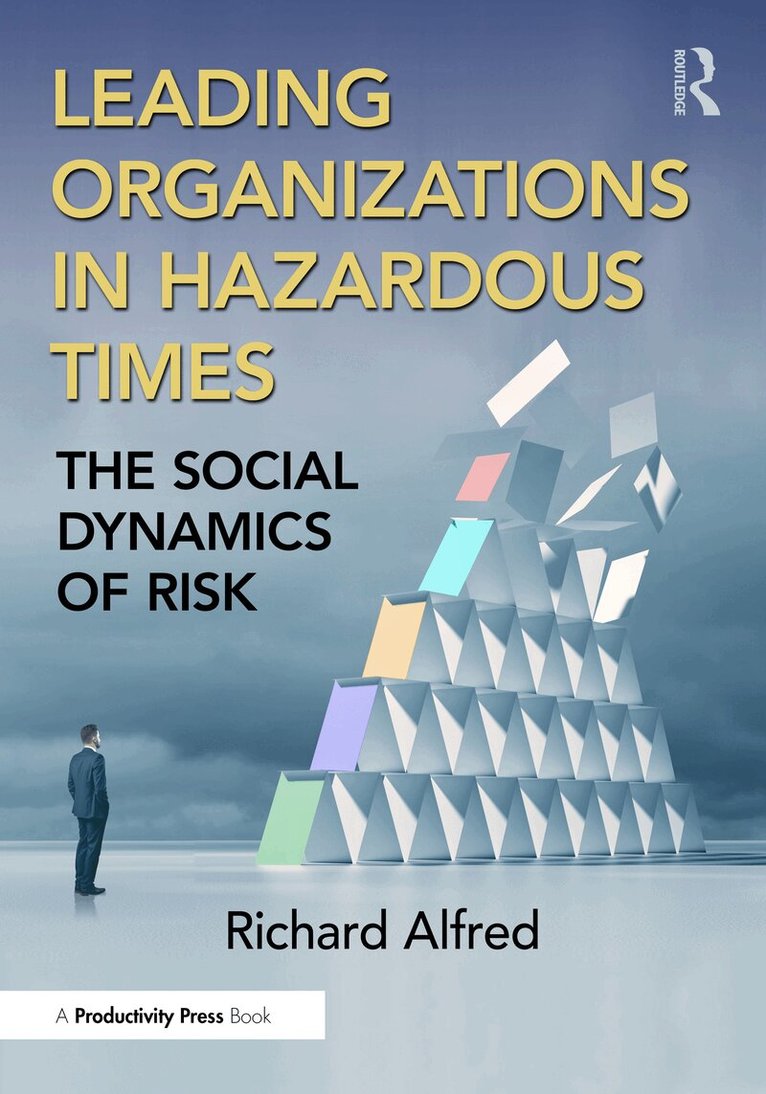
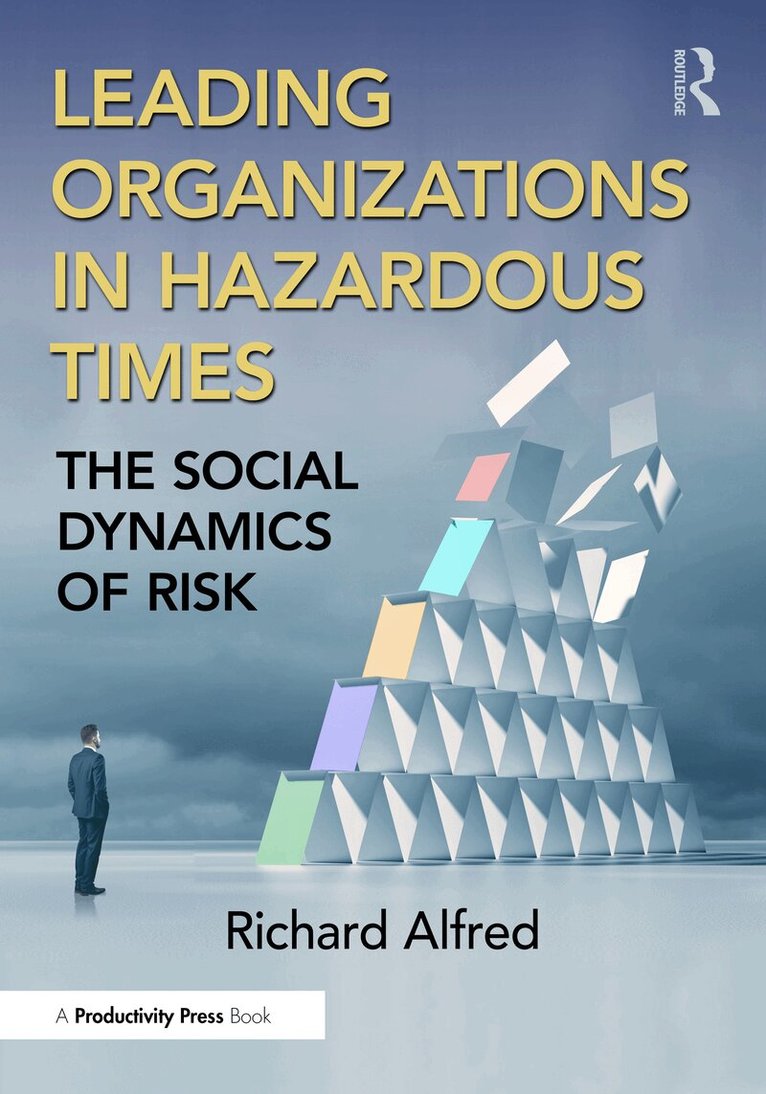
Does your organization have the capacity to respond to risk it has not anticipated or prepared for? Is its approach to risk explicit and understood by employees? Does it have a robust risk culture? Do employees take responsibility for managing risk? If your response to these questions is guarded or uncertain, this book will have value for you and your organization.Organizations and leaders in a widening risk environment face four realities which challenge their ability to manage risk: (1) the two-dimensional nature of risk—risk itself and behavior in response to risk, (2) the diversity of attitudes and behavior in relationship to risk, (3) the influence on behavior of cognitive, psychological and contextual factors that are part of social dynamics and (4) the compounding effect of social dynamics that make risk difficult to manage. These realities add up to a conundrum: The challenge for organizations and leaders lies not in risk itself but in social dynamics that shape behavior in response to risk.Whether triggered by an internal problem or external event, risk management failures often result from a lack of understanding of causative factors and behavior in response to risk. Effective leaders make risk a core part of their agenda. They put people at the center of strategy and face challenges head-on that impact their organizations’ ability to manage risk. Among the challenges are:◾ the toll on organizational resources of a growing array of risk factors◾ risk "blind spots" in the organization warranting attention◾ cultural weaknesses and vulnerabilities elevating exposure to risk◾ employee disengagement from risk and responsibility for managing it,◾ variation in attitudes and behavior that make risk difficult to detect and mitigate,◾ turning risk into advantage by envisioning it as an opportunity or strength in contrast to a threat or weakness.Leading Organizations in Hazardous Times: The Social Dynamics of Risk builds capability in risk management by enhancing leader understanding of risk behavior and factors contributing to risk culture. It encourages leaders to invest in continuous learning to navigate asymmetries of attitude and behavior, managing, and leadership style that underlie organizational success and failure.
1 826 kr
Skickas inom 10-15 vardagar
Does your organization have the capacity to respond to risk it has not anticipated or prepared for? Is its approach to risk explicit and understood by employees? Does it have a robust risk culture? Do employees take responsibility for managing risk? If your response to these questions is guarded or uncertain, this book will have value for you and your organization.Organizations and leaders in a widening risk environment face four realities which challenge their ability to manage risk: (1) the two-dimensional nature of risk—risk itself and behavior in response to risk, (2) the diversity of attitudes and behavior in relationship to risk, (3) the influence on behavior of cognitive, psychological and contextual factors that are part of social dynamics and (4) the compounding effect of social dynamics that make risk difficult to manage. These realities add up to a conundrum: The challenge for organizations and leaders lies not in risk itself but in social dynamics that shape behavior in response to risk.Whether triggered by an internal problem or external event, risk management failures often result from a lack of understanding of causative factors and behavior in response to risk. Effective leaders make risk a core part of their agenda. They put people at the center of strategy and face challenges head-on that impact their organizations’ ability to manage risk. Among the challenges are:◾ the toll on organizational resources of a growing array of risk factors◾ risk "blind spots" in the organization warranting attention◾ cultural weaknesses and vulnerabilities elevating exposure to risk◾ employee disengagement from risk and responsibility for managing it,◾ variation in attitudes and behavior that make risk difficult to detect and mitigate,◾ turning risk into advantage by envisioning it as an opportunity or strength in contrast to a threat or weakness.Leading Organizations in Hazardous Times: The Social Dynamics of Risk builds capability in risk management by enhancing leader understanding of risk behavior and factors contributing to risk culture. It encourages leaders to invest in continuous learning to navigate asymmetries of attitude and behavior, managing, and leadership style that underlie organizational success and failure.