Richard Baxstrom - Böcker
Visar alla böcker från författaren Richard Baxstrom. Handla med fri frakt och snabb leverans.
5 produkter
5 produkter
1 241 kr
Skickas inom 11-20 vardagar
370 kr
Skickas inom 11-20 vardagar
Houses in Motion
The Experience of Place and the Problem of Belief in Urban Malaysia
Inbunden, Engelska, 2008
796 kr
Skickas inom 7-10 vardagar
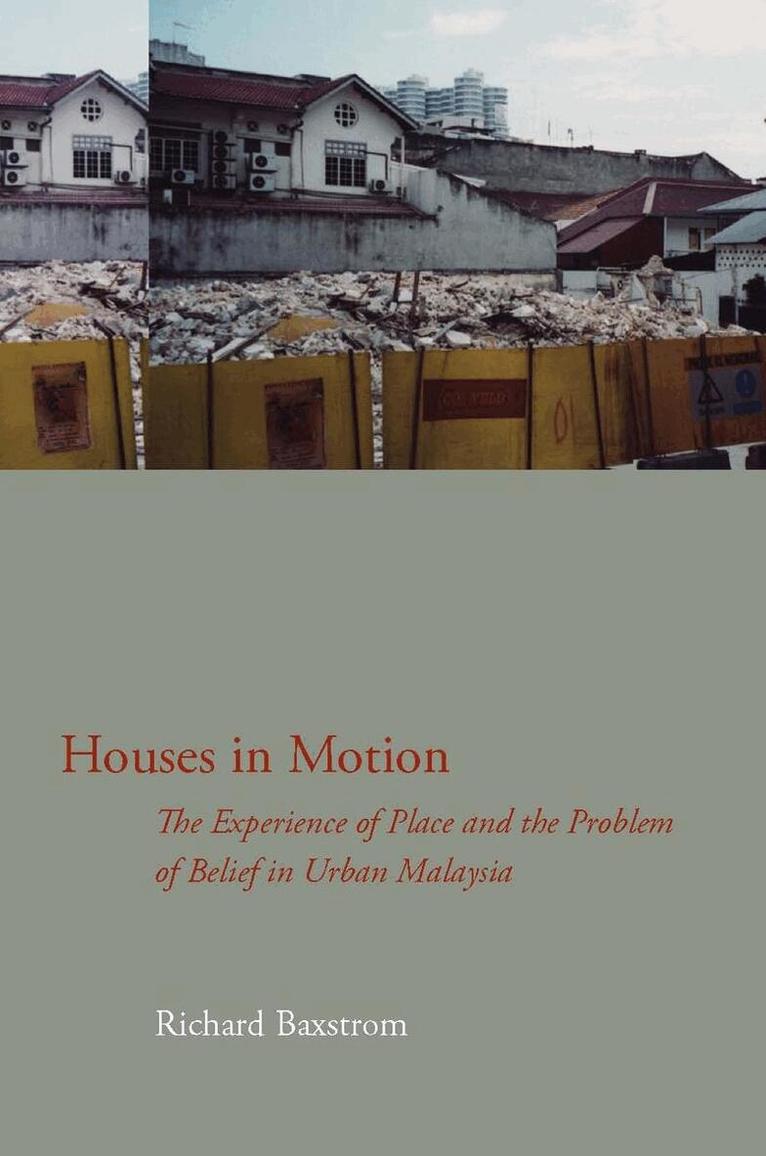
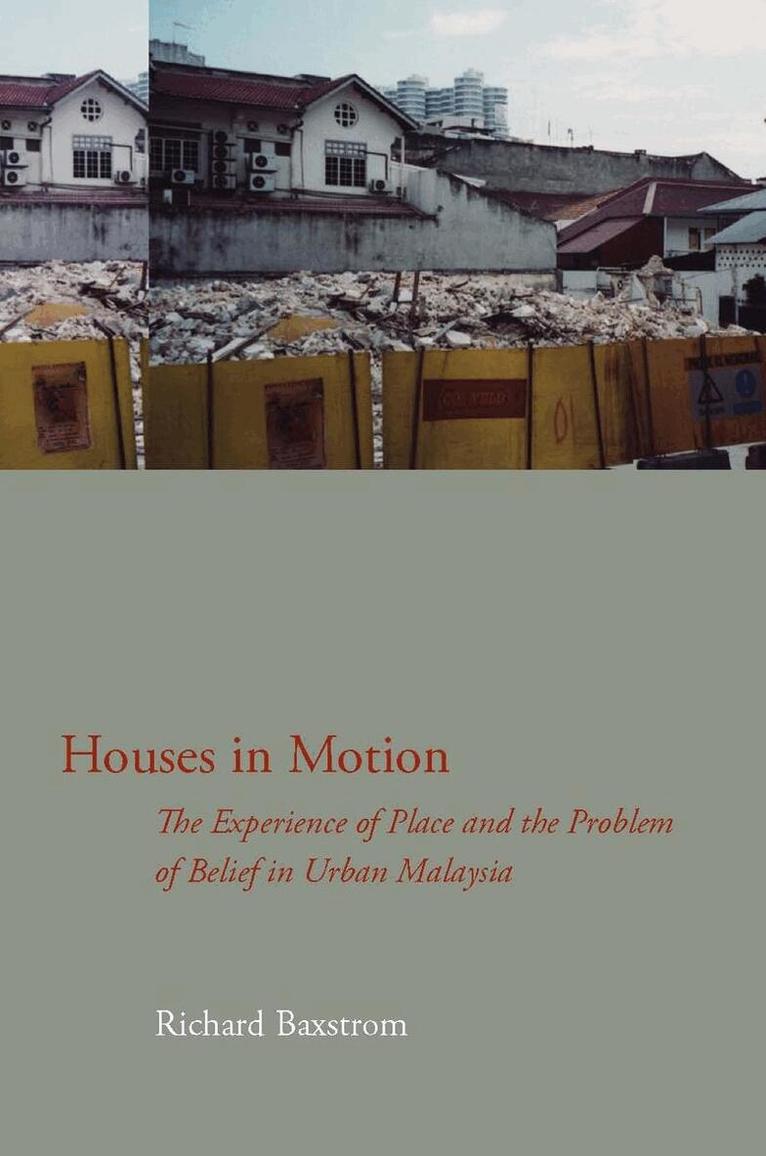
Houses in Motion: The Experience of Place and the Problem of Belief in Urban Malaysia is about the transformation of urban space and the reordering of the demographic character of Brickfields, one of the oldest neighborhoods in Kuala Lumpur. Baxstrom offers an ethnographic account of the complex attempts on the part of the state and the community to reconcile techno-rational conceptions of law, development, and city planning with local experiences of place, justice, relatedness, and possibilities for belief in an aggressively changing world. The book combines classic methods of anthropological research and an engagement with the work of theorists such as Gilles Deleuze and Henri Lefebvre, and moves beyond previous studies of Southeast Asian cities by linking larger conceptual issues of ethics, belief, and experience to the concrete trajectories of everyday urban life in the region.
1 051 kr
Skickas inom 10-15 vardagar
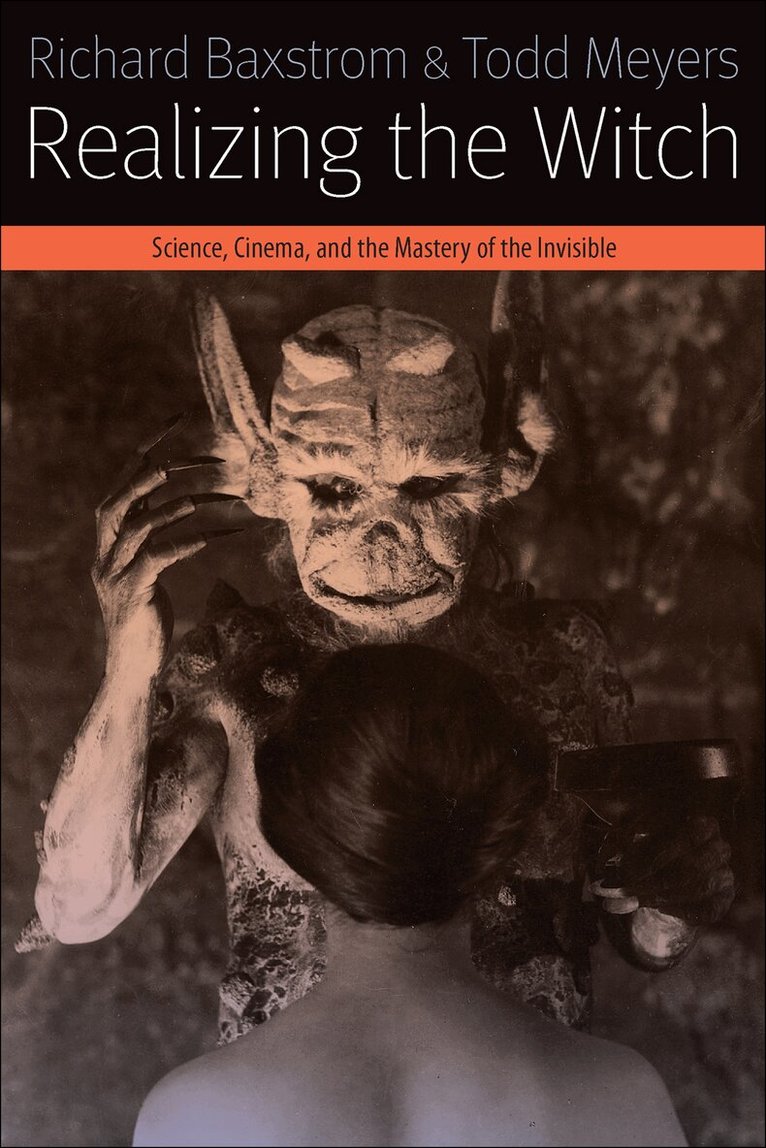
Benjamin Christensen's Häxan (The Witch, 1922) stands as a singular film within the history of cinema. Deftly weaving contemporary scientific analysis and powerfully staged historical scenes of satanic initiation, confession under torture, possession, and persecution, Häxan creatively blends spectacle and argument to provoke a humanist re-evaluation of witchcraft in European history as well as the contemporary treatment of female "hysterics" and the mentally ill.In Realizing the Witch, Baxstrom and Meyers show how Häxan opens a window onto wider debates in the 1920s regarding the relationship of film to scientific evidence, the evolving study of religion from historical and anthropological perspectives, and the complex relations between popular culture, artistic expression, and concepts in medicine and psychology. Häxan is a film that travels along the winding path of art and science rather than between the narrow division of "documentary" and "fiction." Baxstrom and Meyers reveal how Christensen's attempt to tame the irrationality of "the witch" risked validating the very "nonsense" that such an effort sought to master and dispel. Häxan is a notorious, genre-bending, excessive cinematic account of the witch in early modern Europe. Realizing the Witch not only illustrates the underrated importance of the film within the canons of classic cinema, it lays bare the relation of the invisible to that which we cannot prove but nevertheless "know" to be there.
346 kr
Skickas inom 7-10 vardagar
Benjamin Christensen's Häxan (The Witch, 1922) stands as a singular film within the history of cinema. Deftly weaving contemporary scientific analysis and powerfully staged historical scenes of satanic initiation, confession under torture, possession, and persecution, Häxan creatively blends spectacle and argument to provoke a humanist re-evaluation of witchcraft in European history as well as the contemporary treatment of female "hysterics" and the mentally ill.In Realizing the Witch, Baxstrom and Meyers show how Häxan opens a window onto wider debates in the 1920s regarding the relationship of film to scientific evidence, the evolving study of religion from historical and anthropological perspectives, and the complex relations between popular culture, artistic expression, and concepts in medicine and psychology. Häxan is a film that travels along the winding path of art and science rather than between the narrow division of "documentary" and "fiction." Baxstrom and Meyers reveal how Christensen's attempt to tame the irrationality of "the witch" risked validating the very "nonsense" that such an effort sought to master and dispel. Häxan is a notorious, genre-bending, excessive cinematic account of the witch in early modern Europe. Realizing the Witch not only illustrates the underrated importance of the film within the canons of classic cinema, it lays bare the relation of the invisible to that which we cannot prove but nevertheless "know" to be there.