Richard Freedman - Böcker
Visar alla böcker från författaren Richard Freedman. Handla med fri frakt och snabb leverans.
4 produkter
4 produkter
576 kr
Skickas inom 7-10 vardagar
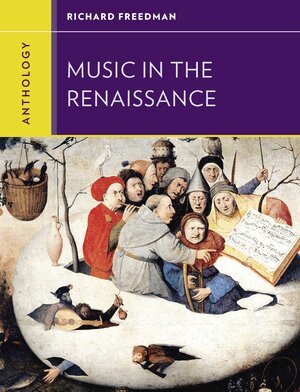
Anthology for Music in the Renaissance, part of the Western Music in Context series, is the ideal companion to Music in the Renaissance. Twenty-seven carefully chosen works—including an isorhythmic motet by Ciconia, an English carol, a Janequin chanson, and lute composition by Ortiz—offer representative examples of the genres and composers of the period. Commentaries following each score present a careful analysis of the music, and online links to purchase and download recordings make listening easier than ever.
314 kr
Skickas inom 7-10 vardagar
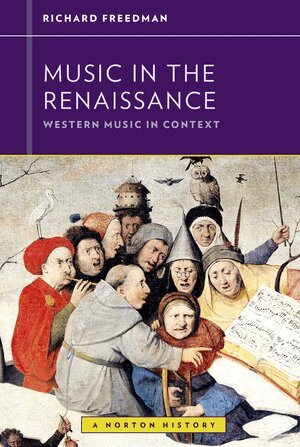
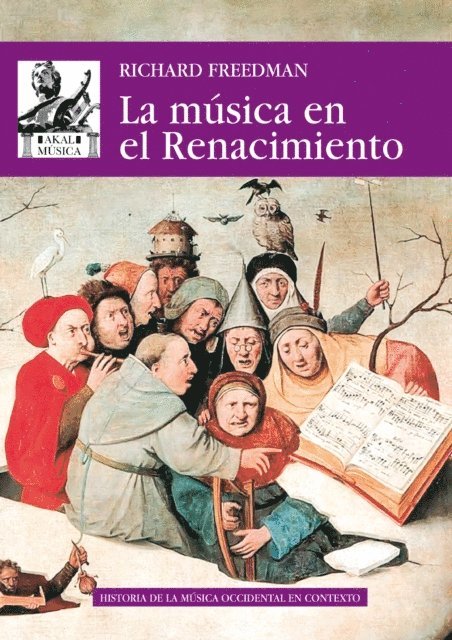
Richard Freedman's Music in the Renaissance shows how music and other forms of expression were adapted to changing tastes and ideals in Renaissance courts and churches. Giving due weight to sacred, secular, and instrumental genres, Freedman invites readers to consider who made music, who sponsored and listened to it, who preserved and owned it, and what social and aesthetic purposes it served. While focusing on broad themes such as music and the literary imagination and the art of improvisation, he also describes Europeans' musical encounters with other cultures and places.Western Music in Context: A Norton History comprises six volumes of moderate length, each written in an engaging style by a recognized expert. Authoritative and current, the series examines music in the broadest sense—as sounds notated, performed, and heard—focusing not only on composers and works, but also on broader social and intellectual currents.
1 023 kr
Skickas inom 7-10 vardagar
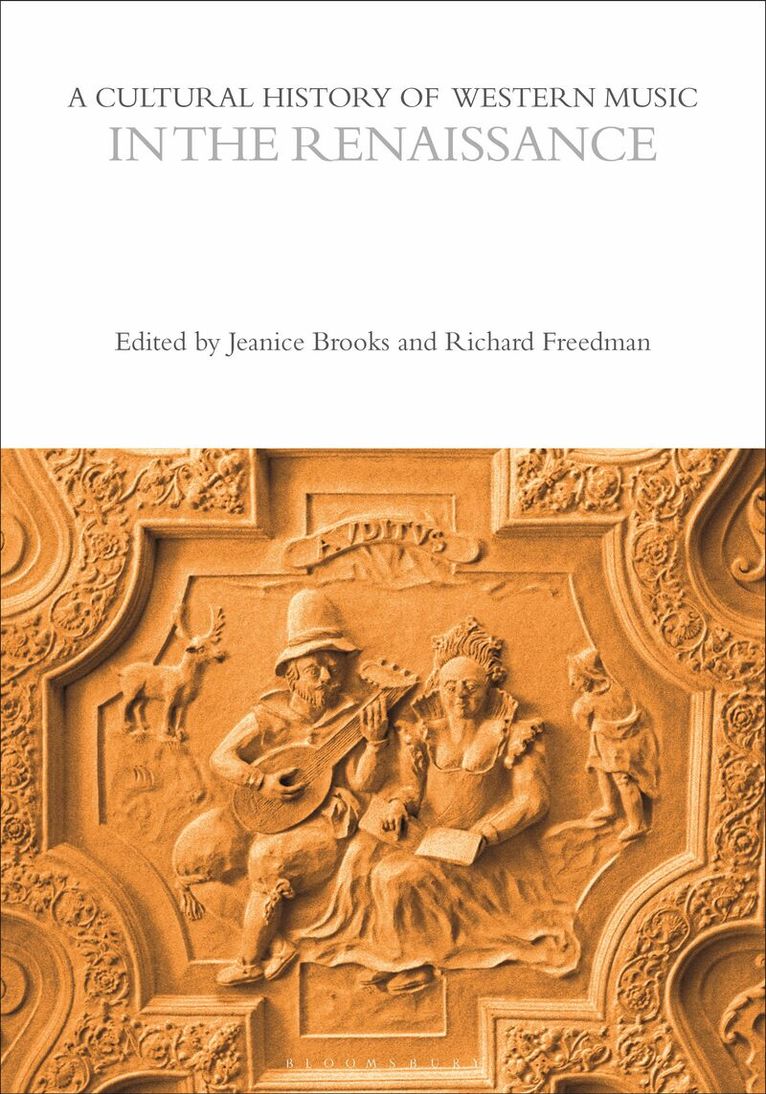
A CULTURAL HISTORY OF WESTERN MUSIC IN THE RENAISSANCEA Cultural History of Western Music in the Renaissance covers the period from 1400 to 1650, examining structures of identity and the delicate relationships between self, society, and sound. What did listeners and creators want from music in the Renaissance? How were the forms and meanings of music shaped by the social, political, and technological transformations of the time? Music was put to many uses in this epoch: as an instrument of power in a changing political order; as an aid to religious and philosophical speculation; and as a tool for constructing emotional communities and regimes. And music itself was transformed, both by new technologies, such as print, and by the expansion of travel and trade.The 6 volume set of the Cultural History of Western Music presents the first comprehensive history from classical antiquity to today, covering all forms and aspects of music and its ever-changing social context. The themes covered in each volume are society; philosophies; politics; exchange; education; popular culture; performance; and technologies.The Cultural Histories SeriesA Cultural History of Western Music is part of The Cultural Histories Series. Titles are available as hardcover sets for libraries needing just one subject or preferring a tangible reference for their shelves or as part of a fully-searchable digital library. The digital product is available to institutions by annual subscription or on perpetual access via www.bloomsburyculturalhistory.com . Individual volumes for academics and researchers interested in specific historical periods are also available in print or digitally via www.bloomsburycollections.com .
Del 15 - Eastman Studies in Music
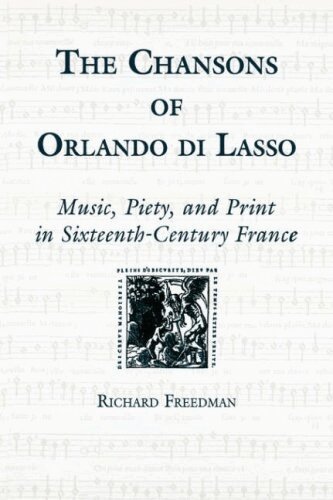
Chansons of Orlando di Lasso and Their Protestant Listeners
Music, Piety, and Print in Sixteenth-Century France
Inbunden, Engelska, 2001
1 176 kr
Skickas inom 10-15 vardagar
A study of how the secular lyrics of the French composer Orlando di Lasso were reworked by Protestant printers in the sixteenth century to convey new spiritual meanings.This book aims to enrich our understanding of the French secular music of Orlando di Lasso, using those songs as a means of understanding a particular community of Renaissance readers and the music books they created. Lasso's secular songs figured quite prominently in a number of collections of devotional songs issued by Protestant printers in the late sixteenth century. Lasso's profane lyrics were changed to convey spiritual meanings. This study uses theexample of such reworkings as a means of discovering how such a repertory was heard and understood by a particular community of listeners, and in so doing, it explores the history of these chansons in print, and the history of thespiritual attitudes that shaped their reception among the Huguenots.Richard Freedman is Associate Professor of Music at Haverford College.