Richard K. Vedder – författare
Visar alla böcker från författaren Richard K. Vedder. Handla med fri frakt och snabb leverans.
3 produkter
3 produkter
Häftad, Engelska, 2001
385 kr
Skickas inom 5-8 vardagar
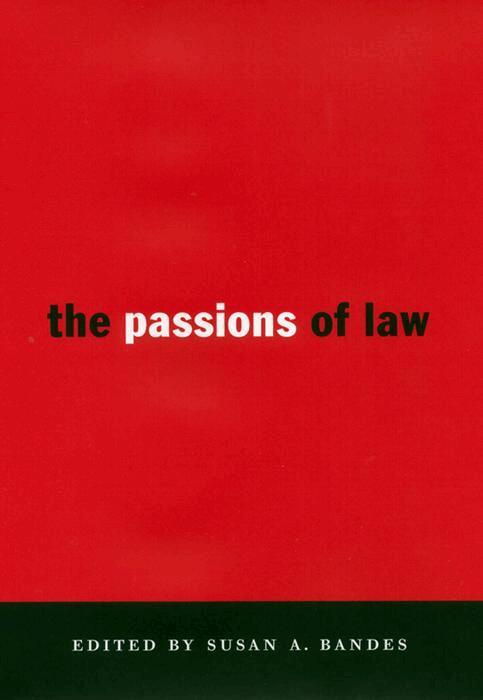
The Passions of Law is the first anthology to treat the role that emotions play, don't play, and ought to play in the practice and conception of law and justice. Lying at the intersection of law, psychology, and philosophy, this emergent field of law scholarship raises some of the most profound and interesting questions at the heart of jurisprudence. For example, what role do emotions ranging from disgust to compassion play in the decision-making processes of judges, lawyers, juries, and clients? What emotions belong in which legal contexts? Is there a hierarchy of emotions, and, if so, through what sources do we identify it? To what extent are emotions subject to change or tutelage? How can we evaluate the role of emotion in such disparate contexts as death sentencing, laws about same sex marriage, hate crime legislation, punitive damages or shaming penalties?Consisting of original essays by leading scholars of law, theology, political science, and philosophy, The Passions of Law contributes to ongoing efforts to humanize law and reveals how this previously unacknowledged aspect of decision-making exerts a much greater impact on justice and the practice of law than most tend, or like, to think.Learn more about Susan Bandes
Häftad, Engelska, 1997
431 kr
Skickas inom 5-8 vardagar
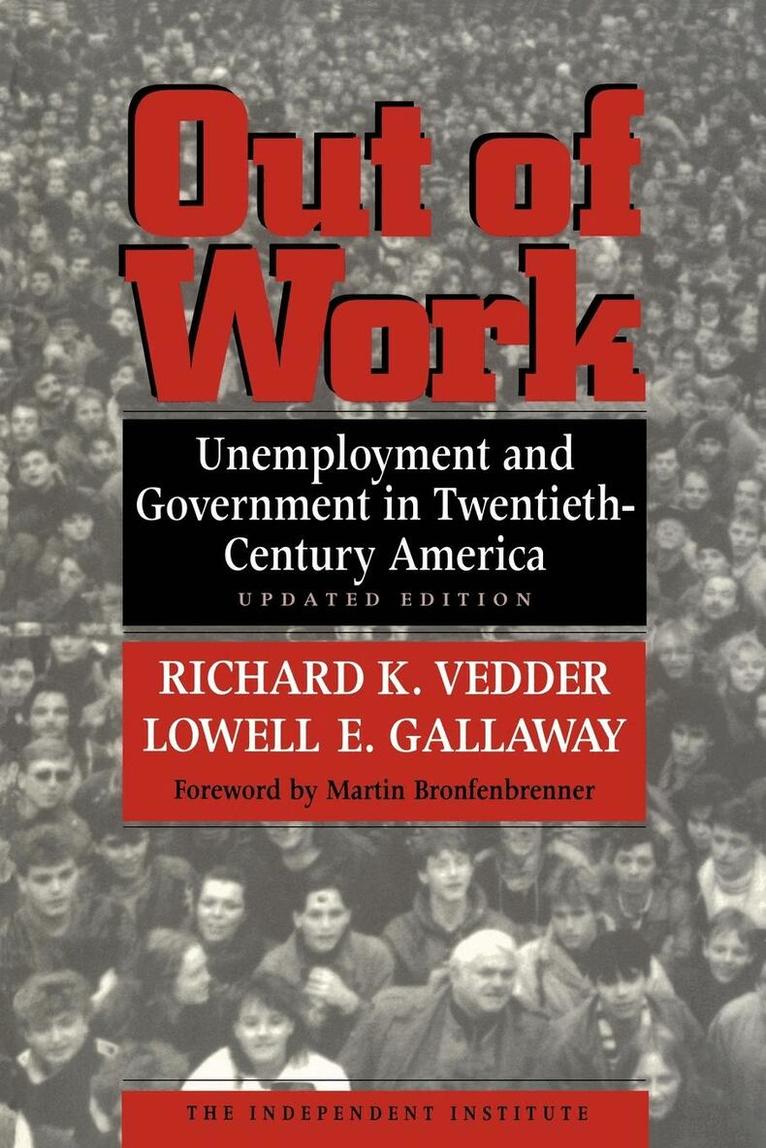
Argues the cause of unemployment may be the government itselfRedefining the way we think about unemployment in America today, Out of Work offers devastating evidence that the major cause of high unemployment in the United States is the government itself.
Ljudbok
Engelska, 2025391 kr
Lyssna direkt efter köp
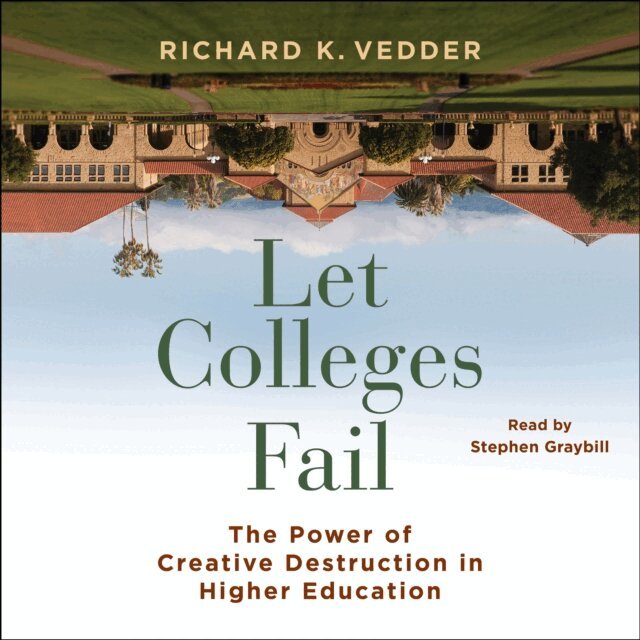
An urgent warning that colleges and universities are accomplishing less at the same time that they cost students and taxpayers more than ever before; with a startling solution that we should let the free market decide each college’s fate.Everyone knows American universities are more expensive and less impressive than ever. But no one has come up with a plan to fix them. No one…until now. Let Colleges Fail: The Power of Creative Destruction in Higher Education is the hard-hitting instruction manual America needs in order to save its institutions of higher learning. The solutions proposed herein are unorthodox. They’re stern. They’re tough. To some, they might even sound utterly shocking. But they’re bound to work. Richard Vedder, senior fellow at Independent Institute and distinguished professor of economics emeritus at Ohio University, asks the forbidden question: Why do we subsidize universities through taxpayer-provided grants and private donor gifts when the institutions are so obviously failing America’s youth? How can we justify this special status, while businesses offering far more useful goods and services are punished by confiscatory taxes—for simply turning a well-deserved profit? The history behind these questions is long, winding, and complicated. But the solutions to our current crisis are not. In fact, they’re as time-tested as the study of economics itself. Vedder reminds Americans of the concept of “creative destruction” (famously introduced by economist Joseph Schumpeter)—the idea that, because markets threaten to reallocate resources from unproductive to productive uses by “creatively destroying” failing businesses, markets actually help failing businesses adapt to the market’s ever-changing needs and realities. It’s sink or swim. And in the face of necessity, most businesses—or at least, those worth their salt—learn, however painfully, to swim. “And if universities want to survive,” says Vedder, “they must learn to swim, too.” But because we have cushioned them from the demands, necessities, and realities of public life, American colleges are weak, woke, and unforgivably obtuse. Their eye-stretching price tag just adds insult to injury. Read this book and discover: -What universities can—indeed, must—learn from the profit-making private sector -Why big government needs to get out of the student loan business yesterday…and what will happen if it refuses to do so -Why accreditation, though infrequently questioned or critiqued, might actually be unnecessary…or even bad -How privatizing state universities could actually open newer and more affordable finance options -What a healthy voucher/scholarship arrangement could look like -And much, much more Daring in its analysis, practical in its problem-solving, and thoroughly readable in its prose, Let Colleges Fail is indispensable reading for those who want America’s colleges to thrive once again.