Richard Restak – författare
Visar alla böcker från författaren Richard Restak. Handla med fri frakt och snabb leverans.
19 produkter
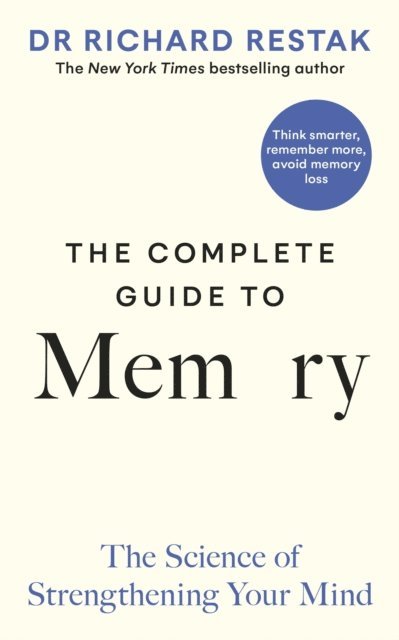
Complete Guide to Memory
The Science of Strengthening Your Mind
E-bok, 2023
170 kr
Lägg i varukorg
THINK SMARTER. REMEMBER MORE. AVOID MEMERY LOSS.Discover the simple, science-backed tricks to help future-proof your memory from the renowned brain expert, award-winning neuroscientist and bestselling author.Memory gets worse with age - right? A fact of life. But what if we told you that wasn't …
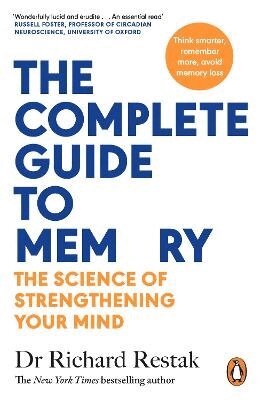
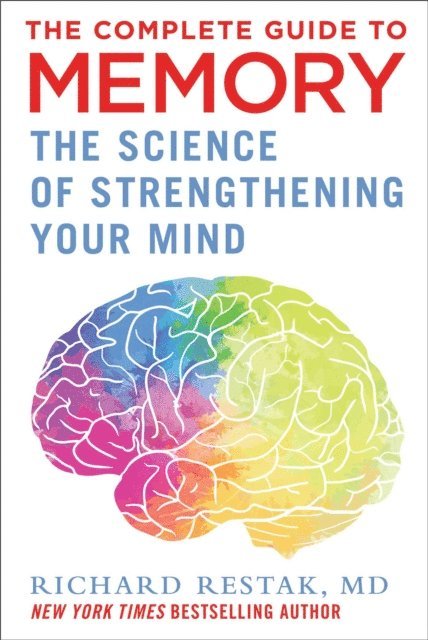
Complete Guide to Memory
The Science of Strengthening Your Mind
Häftad, 2024
129 kr
Lägg i varukorg
THINK SMARTER. REMEMBER MORE. AVOID MEMERY LOSS.Discover the simple, science-backed tricks to help future-proof your memory from the renowned brain expert, award-winning neuroscientist and bestselling author.Memory gets worse with age - right? A fact of life. But what if we told you that wasn't …
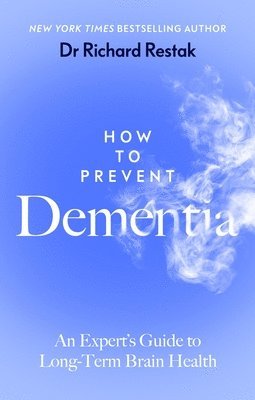
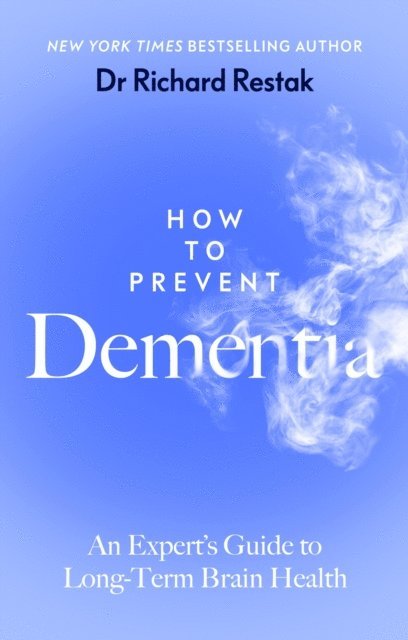
How to Prevent Dementia
An Expert’s Guide to Long-Term Brain Health
Häftad, 2024
182 kr
Lägg i varukorg
The comprehensive guide to preventing Alzheimer's and other thinking disorders, from the leading authority and bestselling author of The Complete Guide to Memory, Dr Richard Restak.According to the WHO, Alzheimer’s ranks as the seventh leading cause of death globally. By 2050, or earlier in the …
Complete Guide to Memory
The Science of Strengthening Your Mind
Ljudbok, 2023
166 kr
Lägg i varukorg
Brought to you by Penguin. A RENOWNED BRAIN EXPERT SHARES THE SIMPLE TRICKS THAT WILL FUTURE-PROOF YOUR MEMORY Memory gets worse with age - right? A fact of life. But what if we told you that wasn''t necessarily true? That memory decline isn''t inevitable. In The Complete Guide to Memory , renowned …
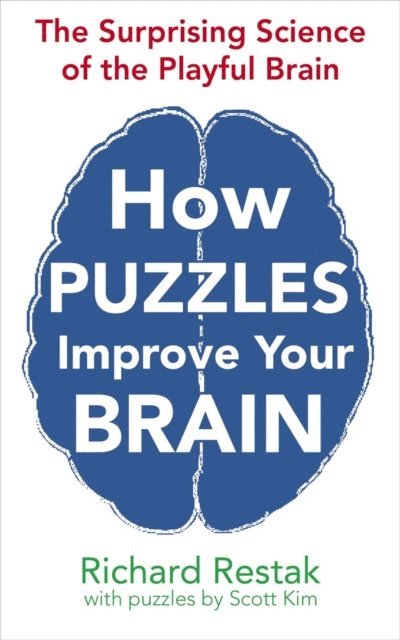
How Puzzles Improve Your Brain
The Surprising Science of the Playful Brain
E-bok, 2012
100 kr
Lägg i varukorg
Regular mental exercises, including crosswords, Sudoku, and even brain training computer games, can help to improve memory, fine motor skills, perception and cognition. Solving different types of mental exercises helps the brain to reshape and strengthen itself, as well as heightening imagination …
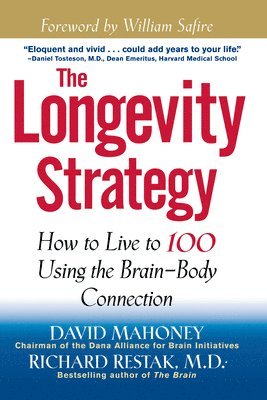
Longevity Strategy
How to Live to 100 Using the Brain-body Connection
Av David Mahoney, Richard Restak
Häftad, 1999
227 kr
Lägg i varukorg
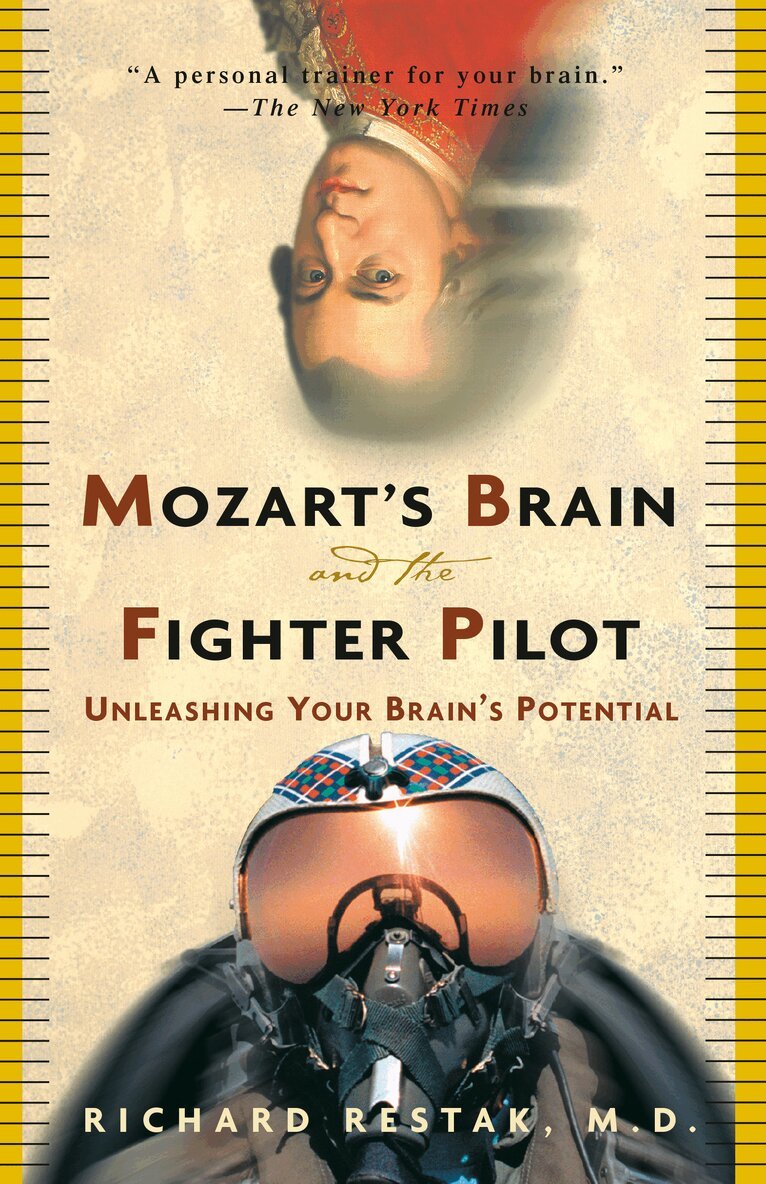
Mozart's Brain and the Fighter Pilot
Unleashing Your Brain's Potential
Häftad, 2002
166 kr
Lägg i varukorg
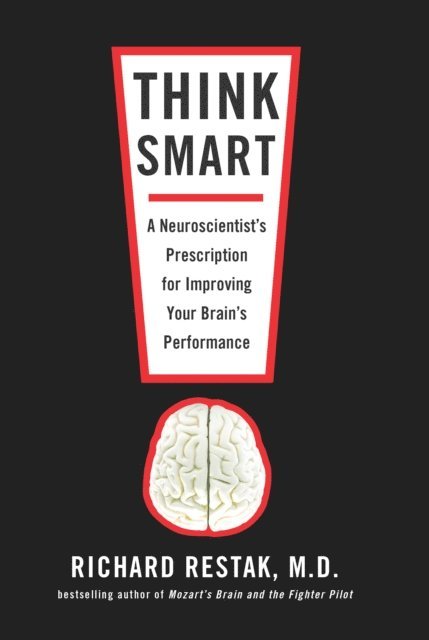
Think Smart
A Neuroscientist''s Prescription for Improving Your Brain''s Performance
E-bok, 2009
122 kr
Lägg i varukorg
A leading neuroscientist and New York Times -bestselling author of Mozart''s Brain and the Fighter Pilot distills the research on the brain and serves up practical, surprising, and illuminating recommendations for warding off neurological decline, cognitive function, and encouraging smarter …
How to Prevent Dementia
An Expert’s Guide to Long-Term Brain Health
E-bok, 2024
170 kr
Lägg i varukorg
The comprehensive guide to preventing Alzheimer's and other thinking disorders, from the leading authority and bestselling author of The Complete Guide to Memory, Dr Richard Restak.According to the WHO, Alzheimer’s ranks as the seventh leading cause of death globally. By 2050, or earlier in the …
How to Prevent Dementia
An Expert’s Guide to Long-Term Brain Health
Ljudbok, 2024
173 kr
Lägg i varukorg
Brought to you by Penguin. How to Prevent Dementia begins with the principle that the more we know about dementia, the easier it is to prevent or delay it. A better foundation of knowledge also helps people to understand and interact thoughtfully with loved ones living with the condition. The book …
Older & Wiser
Häftad, 2014
250 kr
Lägg i varukorg
Neurologist and bestselling author Dr. Richard Restak shares research and advice to help better understand how aging affects the brain, as well as practical tips on how to retain peak mental ability as you grow older. Filled with specific advice and simple exercises, this groundbreaking guide from …
Complete Guide to Memory
The Science of Strengthening Your Mind
E-bok, 2022
235 kr
Lägg i varukorg
A comprehensive guide to understanding how memory works, how memory forms, the mind-body connection, and more! In the busy, information-filled world in which we live, it’s often easy to forget things and hard to keep track of how details get stored in our brain. The Complete Guide to Memory serves …
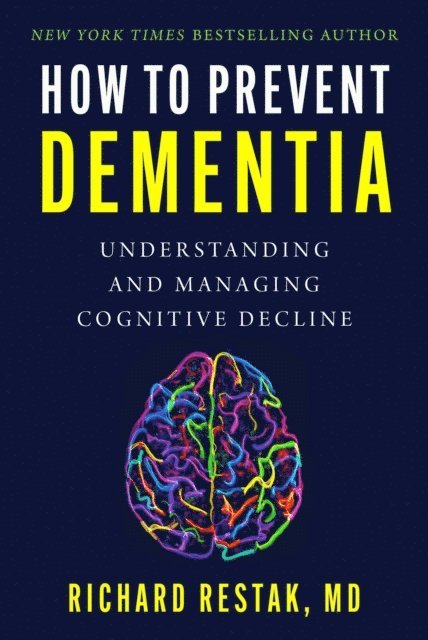
How to Prevent Dementia
Understanding and Managing Cognitive Decline
E-bok, 2023
239 kr
Lägg i varukorg
A comprehensive guide to preventing Alzheimer’s and other thinking disorders from bestselling author and renowned authority Dr. Richard Restak! How to Prevent Dementia begins with the principle that the more we know about dementia, the easier it is to prevent or delay it. A better foundation of …
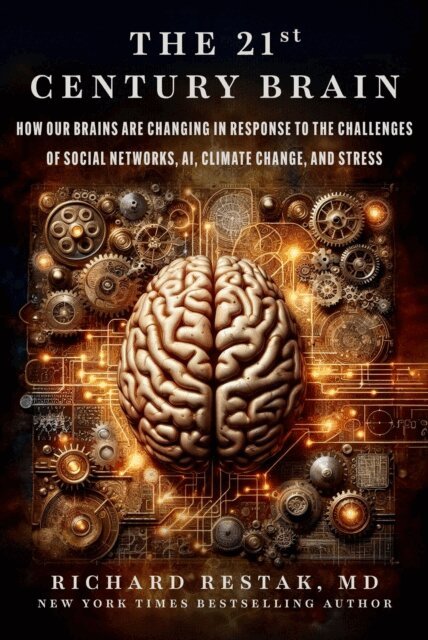
21st Century Brain
How Our Brains Are Changing in Response to the Challenges of Social Networks, AI, Climate Change, and Stress
Inbunden, 2026
374 kr
Lägg i varukorg
Discover the Influences of Social Media, Artificial Intelligence (AI), Climate Change, Stress, and More on Our Brains and Behavior Unique to the Twenty-first Century. During the past twenty-five years, we’ve encountered powerful influences for good and bad on brain function and even brain …
21st Century Brain
How Our Brains Are Changing in Response to the Challenges of Social Networks, AI, Climate Change, and Stress
E-bok, 2025
292 kr
Lägg i varukorg
Discover the Influences of Social Media, Artificial Intelligence (AI), Climate Change, Stress, and More on Our Brains and Behavior Unique to the Twenty-first Century. During the past twenty-five years, we’ve encountered powerful influences for good and bad on brain function and even brain …
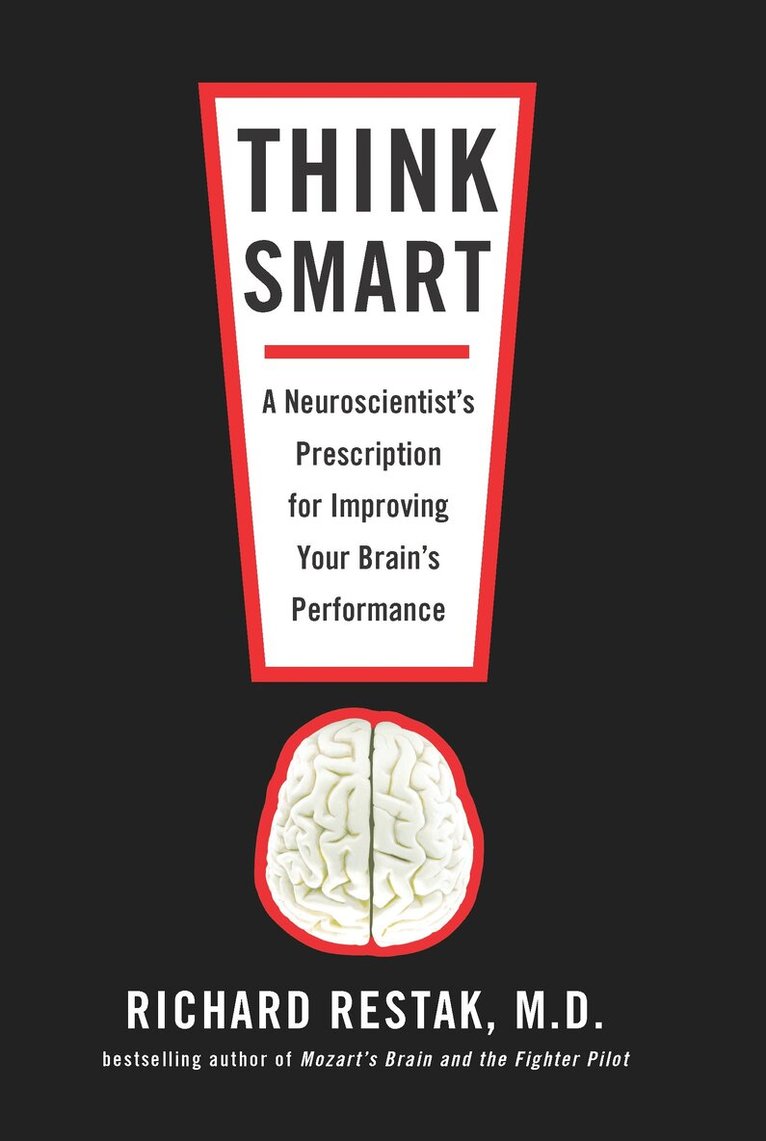
Think Smart
A Neuroscientist's Prescription for Improving Your Brain's Performance
Häftad, 2010
292 kr
Lägg i varukorg
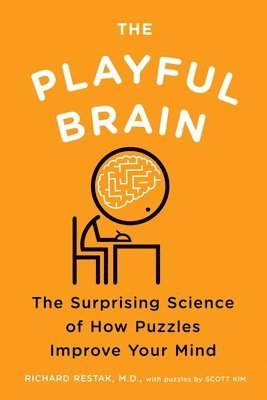
The Playful Brain: The Surprising Science of How Puzzles Improve Your Mind
Häftad, 2011
345 kr
Lägg i varukorg
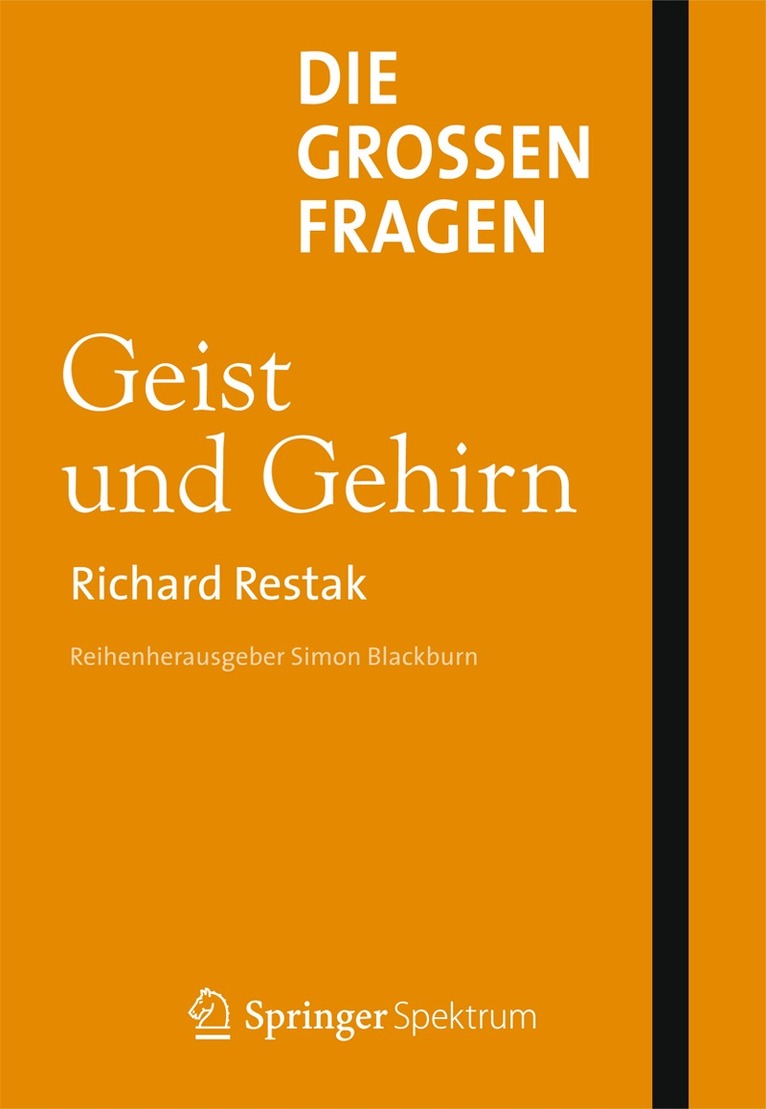
Die großen Fragen - Geist und Gehirn
Inbunden, 2014
248 kr
Lägg i varukorg
Die großen Fragen behandeln grundlegende Probleme und Konzepte in Wissenschaft und Philosophie, die Forscher und Denker seit jeher umtreiben. Anspruch der ambitionierten Reihe ist es, die Antworten auf diese Fragen zu präsentieren und damit die wichtigsten Gedanken der Menschheit in einzigartigen …
Die großen Fragen - Geist und Gehirn
E-bok, 2015
173 kr
Lägg i varukorg
Die großen Fragen behandeln grundlegende Probleme und Konzepte in Wissenschaft und Philosophie, die Forscher und Denker seit jeher umtreiben. Anspruch der ambitionierten Reihe ist es, die Antworten auf diese Fragen zu präsentieren und damit die wichtigsten Gedanken der Menschheit in einzigartigen …