Richard Stubbings – författare
Visar alla böcker från författaren Richard Stubbings. Handla med fri frakt och snabb leverans.
8 produkter
8 produkter
178 kr
Kommande
Using previously unpublished images, Richard Stubbings looks at how the bus scene in south east England has evolved since the 1970s.
178 kr
Skickas
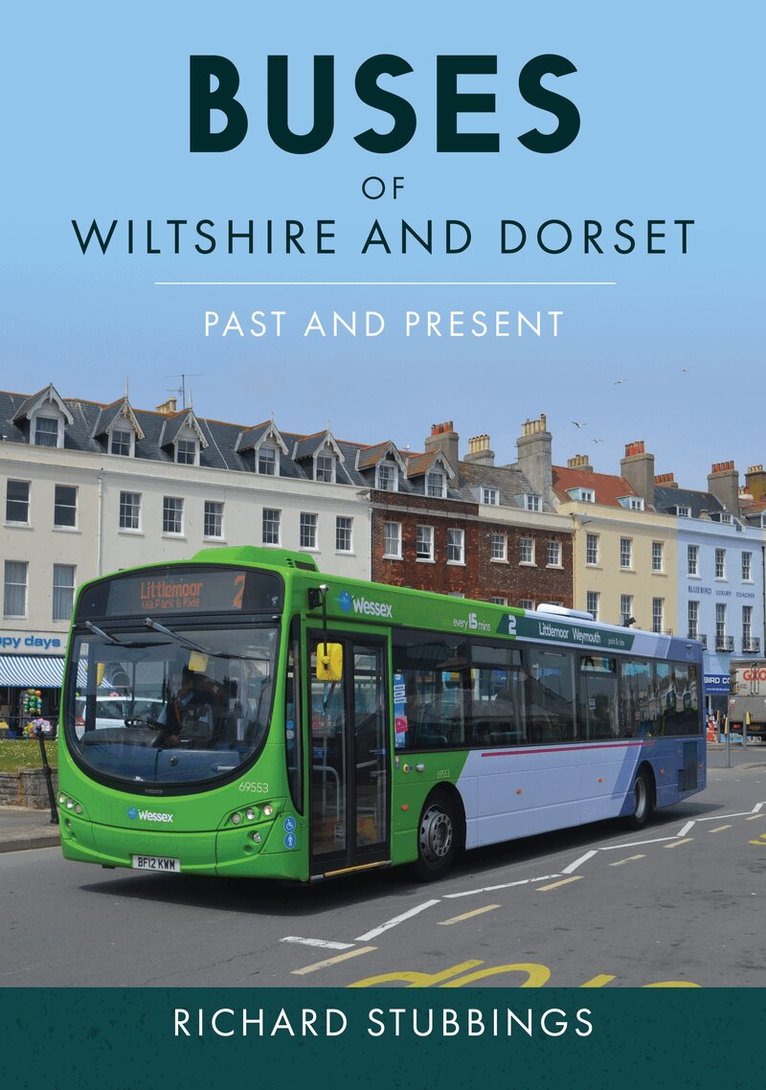
In this series, Richard Stubbings traces the changing, ever-evolving nature of bus scenes around south-west and south-east England.This book, comprising previously unpublished photographs, offers a nostalgic tour of Wiltshire and Dorset, from the early 1970s to the present day. It charts the changes in vehicles, from those of the author’s childhood to the current scene – even revisiting many of the same locations.
172 kr
Skickas
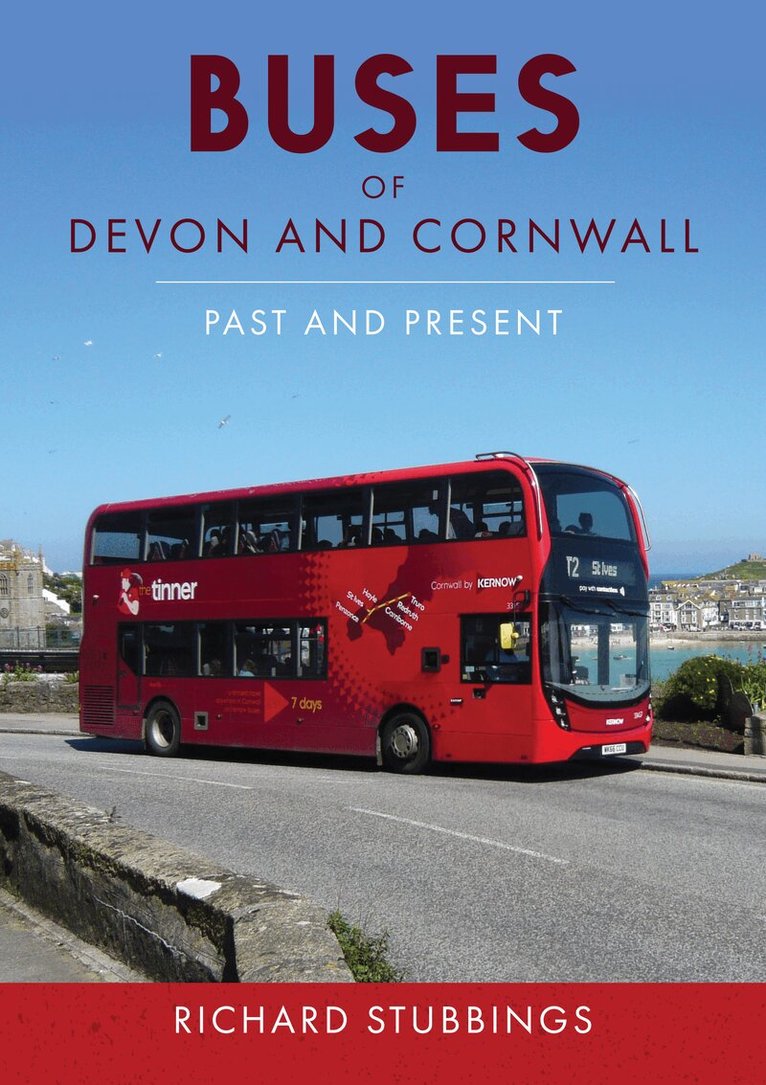
In this series, Richard Stubbings traces the changing, ever-evolving nature of bus scenes around south-west and south-east England. This book, comprising previously unpublished photographs, offers a nostalgic tour of Devon and Cornwall, from the early 1970s to the present day. It charts the changes in vehicles, from those of the author’s childhood to the current scene – even revisiting many of the same locations.
178 kr
Skickas
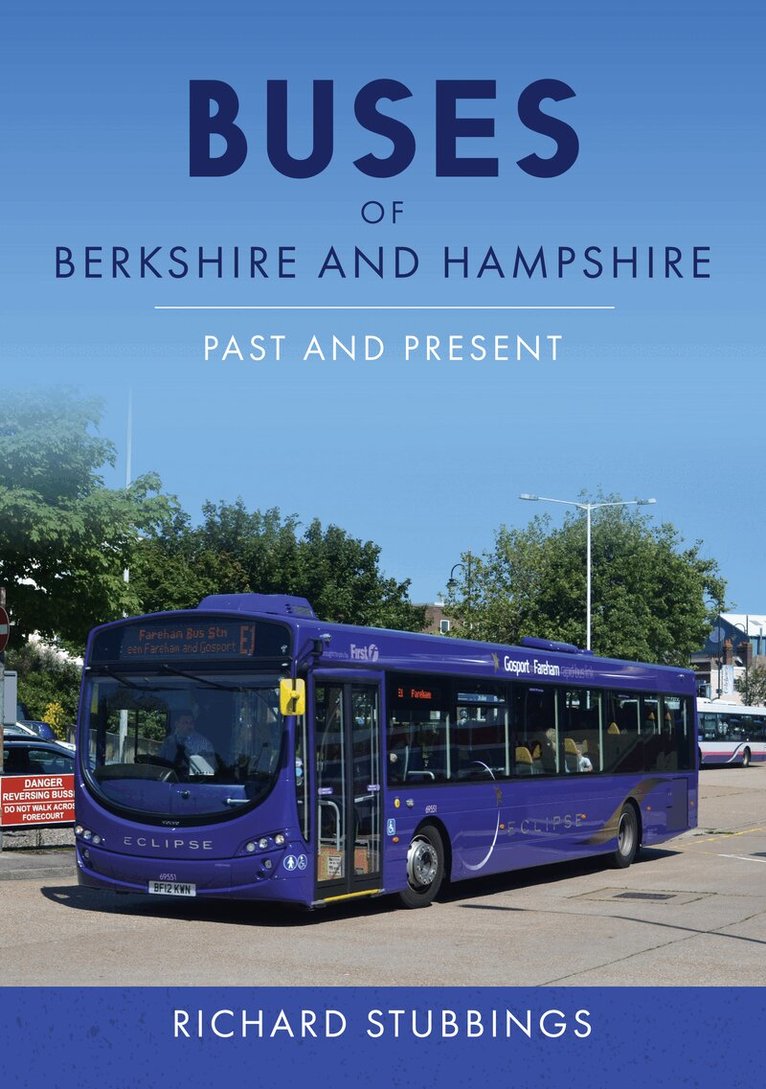
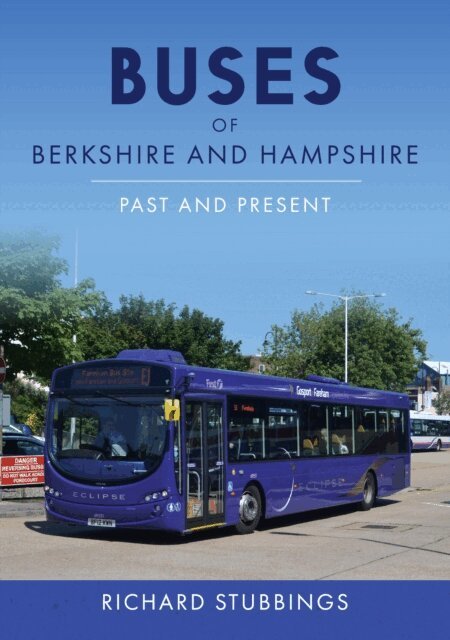
In this series, Richard Stubbings traces the changing, ever-evolving nature of bus scenes around south-west and south-east England. This book, comprising previously unpublished photographs, offers a nostalgic tour of Berkshire and Hampshire, from the early 1970s to the present day. It charts the changes in vehicles, from those of the author’s childhood to the current scene – even revisiting many of the same locations.
178 kr
Kommande
In this series, Richard Stubbings traces the changing, ever-evolving nature of bus scenes around South West and South East England.This book, comprising previously unpublished photographs, offers a nostalgic tour of Kent and East Sussex, from the early 1970s to the present day. It charts the changes in vehicles, from those of the author’s childhood to the current scene – even revisiting many of the same locations.
168 kr
Skickas inom 11-20 vardagar
The 1980s was a decade of change in the bus industry. 1980 itself saw the Market Analysis Project (MAP), which, although primarily aimed at subsidiary companies of the NBC in an attempt to recast local bus networks and identify which services would require local authority subsidy, did also involve independent operators. The Transport Act of 1985 paved the way for the deregulation of the bus industry, culminating in the dissolution of the National Bus Company and the enforced splitting up of the member companies and their eventual sale. Many independent operators continued as they always had. Some hitherto purely coach operators tried their hand as bus operators. Some well-known independent names disappeared.This book, featuring previously unpublished images, illustrates the range of independent operators, both bus and coach, during this decade of upheaval.
163 kr
Tillfälligt slut
After the upheavals of the 1980s, with the break-up of the National Bus Company, the 1990s saw further changes. The former NBC companies were now private companies, technically ‘independents’, but because of their lineage are outside the scope of this book. The 1990s saw the emergence of the larger groupings that began to swallow up some of the traditional independent operators: A1 Service in Scotland went to Stagecoach and OK Motor Services in County Durham went to the Go-Ahead Group, while other companies disappeared altogether.The 1990s also saw the rise of the midibus, especially the ubiquitous Dennis Dart. These began to filter slowly through into the independent fleets, especially towards the end of the 1990s when new vehicles gave greater accessibility to wheelchair users and those with impaired mobility.Here, in the second in the series, this selection of previously unpublished photos illustrates the changes in independent buses in the 1990s.
168 kr
Tillfälligt slut
Roaring through the millennium into the twenty-first century we find the Transport Act 2000 that allows for increased cooperation between local authorities and operators, something that had not been allowed previously under competition legislation. Increasingly through the 2000s local authorities and county councils are taking responsibility for funding local bus services. The vehicles in use are changing as more and more operators invest in accessible buses. By the beginning of 2008, towards the end of the period covered by this book, 58 per cent of the UK bus fleet is low-floor. Again, we see the demise of some well-known operators, the takeover of some by the big bus groups, and, on the plus side, the rise in importance of others.Illustrated with previously unpublished images, this volume portrays the vehicles in use with independent companies through the first decade of the twenty-first century.