Richard T. Griffiths – författare
Visar alla böcker från författaren Richard T. Griffiths. Handla med fri frakt och snabb leverans.
14 produkter
Economic Development of the E.E.C.
Inbunden, 1997
5106 kr
Lägg i varukorg
This authoritative volume traces the creation and development of the EEC as an institution and assesses its impact on the economic development of Europe and the policy areas under its control.The book includes a thorough discussion of the background and origins of the European Economic Community. …
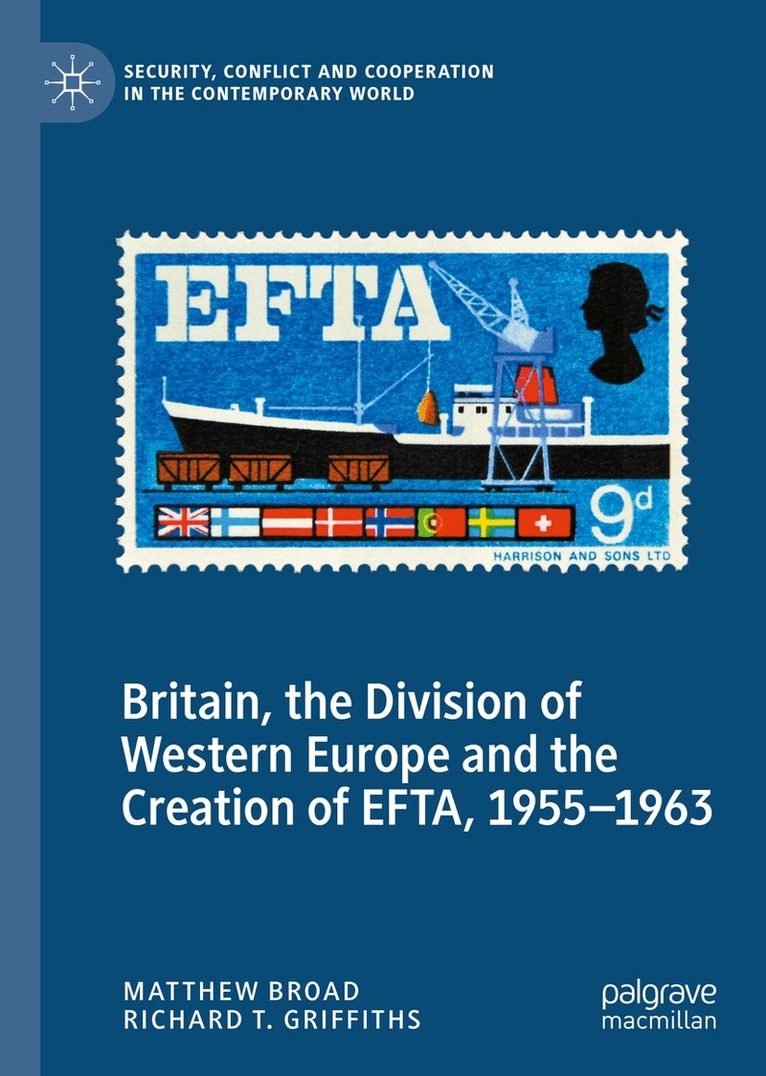
Britain, the Division of Western Europe and the Creation of EFTA, 1955–1963
Av Matthew Broad, Richard T. Griffiths
Inbunden, 2022
624 kr
Lägg i varukorg
This book traces the emergence of the European Free Trade Association (EFTA) from 1955 to 1963 amid the broader reshaping of the institutional architecture of post-war Europe. It considers the ill-fated Free Trade Area (FTA) proposal, the subsequent creation of EFTA, and the resulting division of …
Britain, the Division of Western Europe and the Creation of EFTA, 1955-1963
Av Richard T. Griffiths, Matthew Broad
E-bok, 2022
839 kr
Lägg i varukorg
This book traces the emergence of the European Free Trade Association (EFTA) from 1955 to 1963 amid the broader reshaping of the institutional architecture of post-war Europe. It considers the ill-fated Free Trade Area (FTA) proposal, the subsequent creation of EFTA, and the resulting division of …
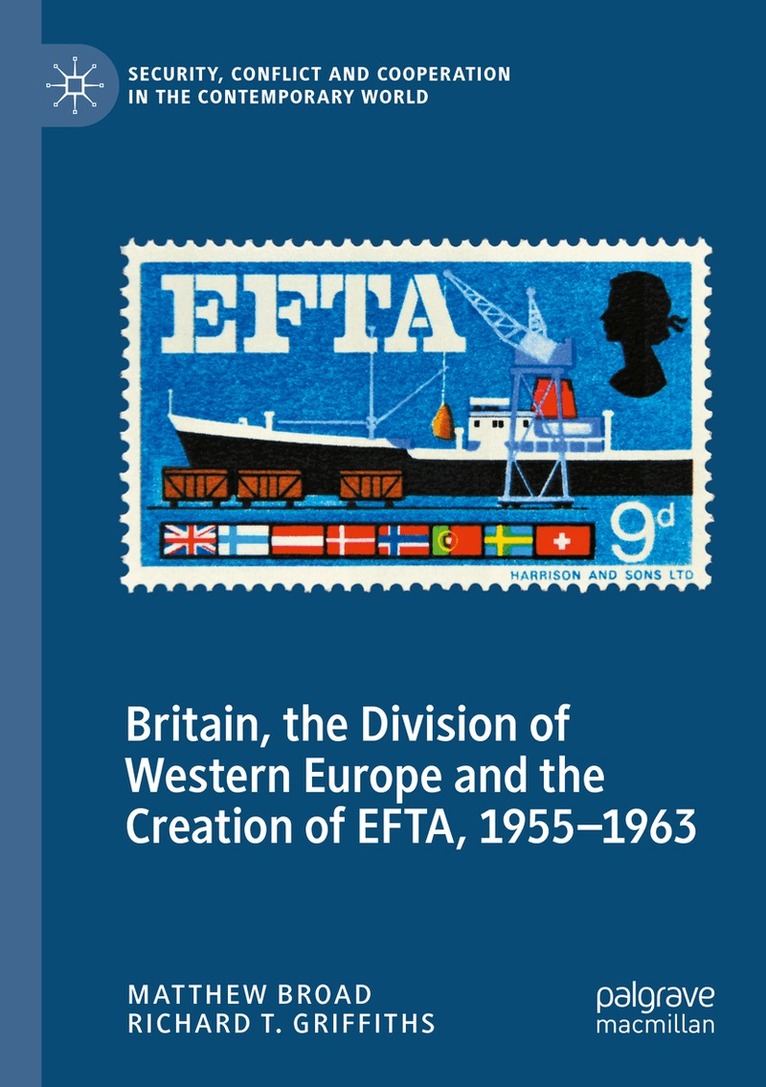
Britain, the Division of Western Europe and the Creation of EFTA, 1955–1963
Av Matthew Broad, Richard T. Griffiths
Häftad, 2023
624 kr
Lägg i varukorg
This book traces the emergence of the European Free Trade Association (EFTA) from 1955 to 1963 amid the broader reshaping of the institutional architecture of post-war Europe. It considers the ill-fated Free Trade Area (FTA) proposal, the subsequent creation of EFTA, and the resulting division of …
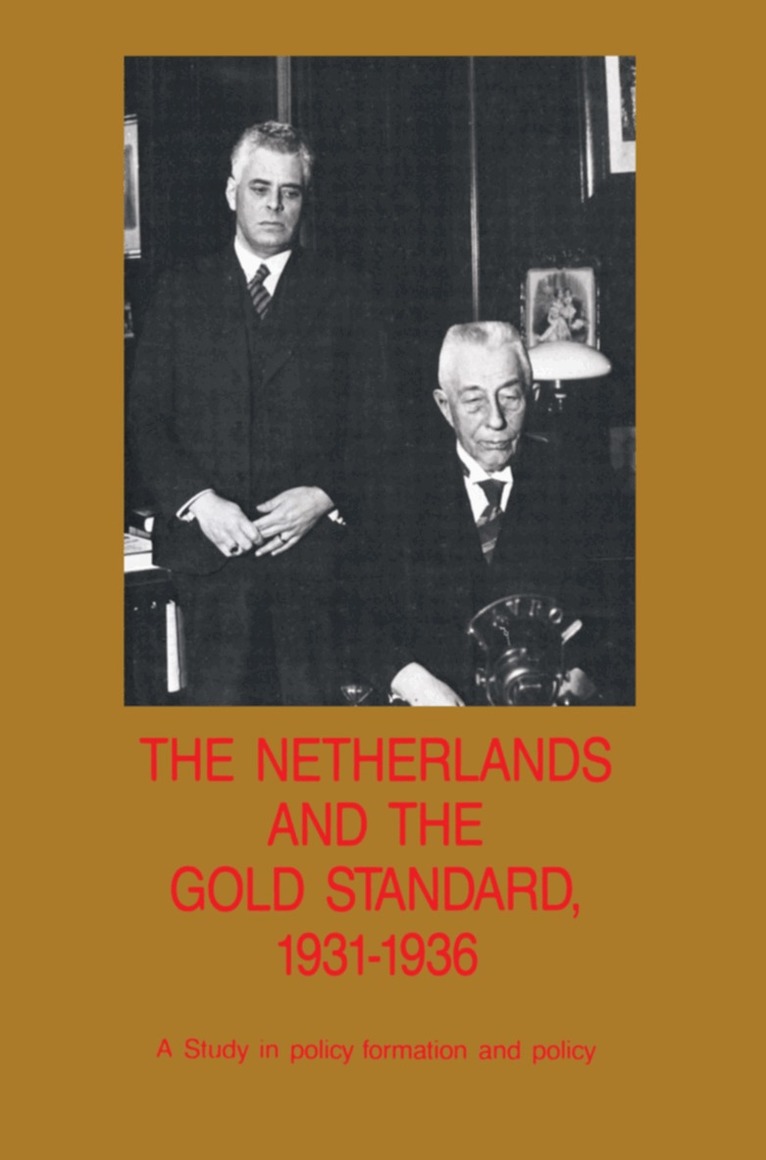
Netherlands and the Gold Standard, 1931–1936
A Study in policy formation and policy
Häftad, 1987
568 kr
Lägg i varukorg
On 26 September 1936, deep in the night, the Dutch cabinet took the decision to cut the guilder's link with gold and to devalue its currency. It was the last of the increasingly isolated and beleaguered 'gold bloc' countries to do so, having outlasted Switzerland by less than a day; the last …
In the way of the Road
The Ecological Consequences of Infrastructure
Av Richard T Griffiths, Alice C Hughes
Häftad, 2021
271 kr
Lägg i varukorg
China and the Ports of the Indian Ocean
Av Richard Griffiths, Richard T. Griffiths
Häftad, 2022
271 kr
Lägg i varukorg
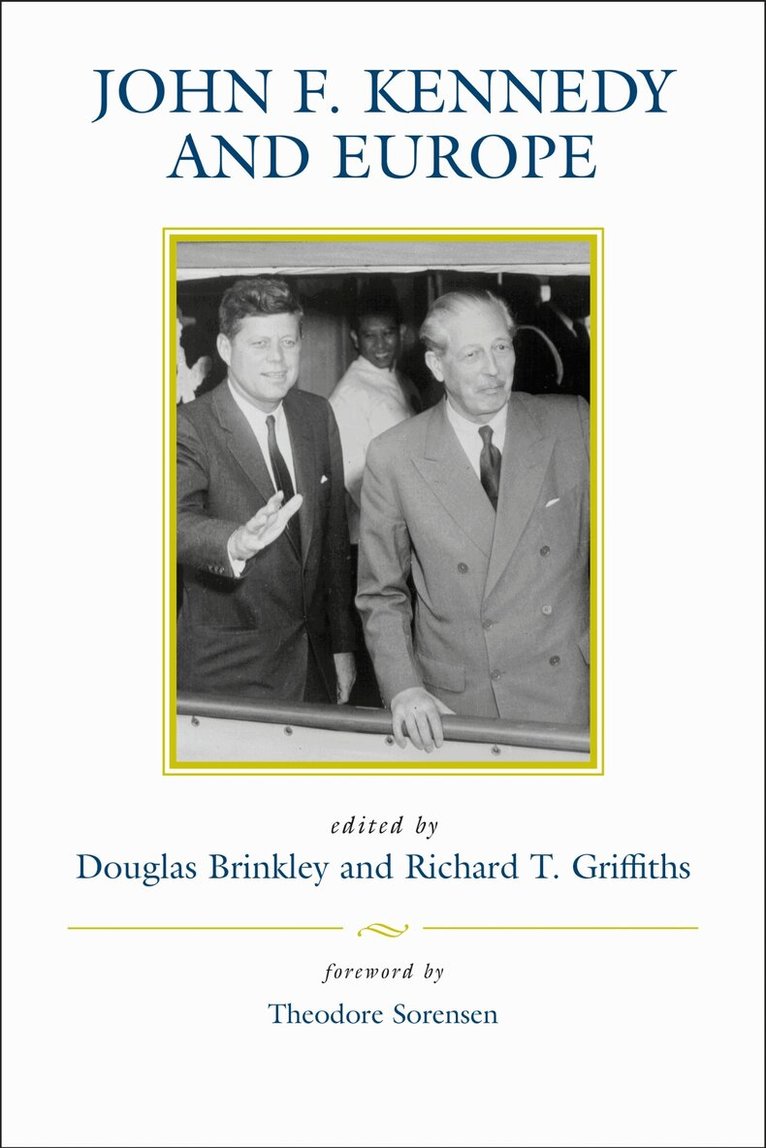
John F. Kennedy and Europe
Av Douglas Brinkley, Richard T. Griffiths
Inbunden, 1999
812 kr
Tillfälligt slut
When John F. Kennedy was inaugurated as the thirty-fifth president of the United States in January 1961, the cold war was at its height. Although the Soviet Union's menace and reach were global and its best opportunities for expansion lay in the newer, poorer countries of the Third World, Kennedy …