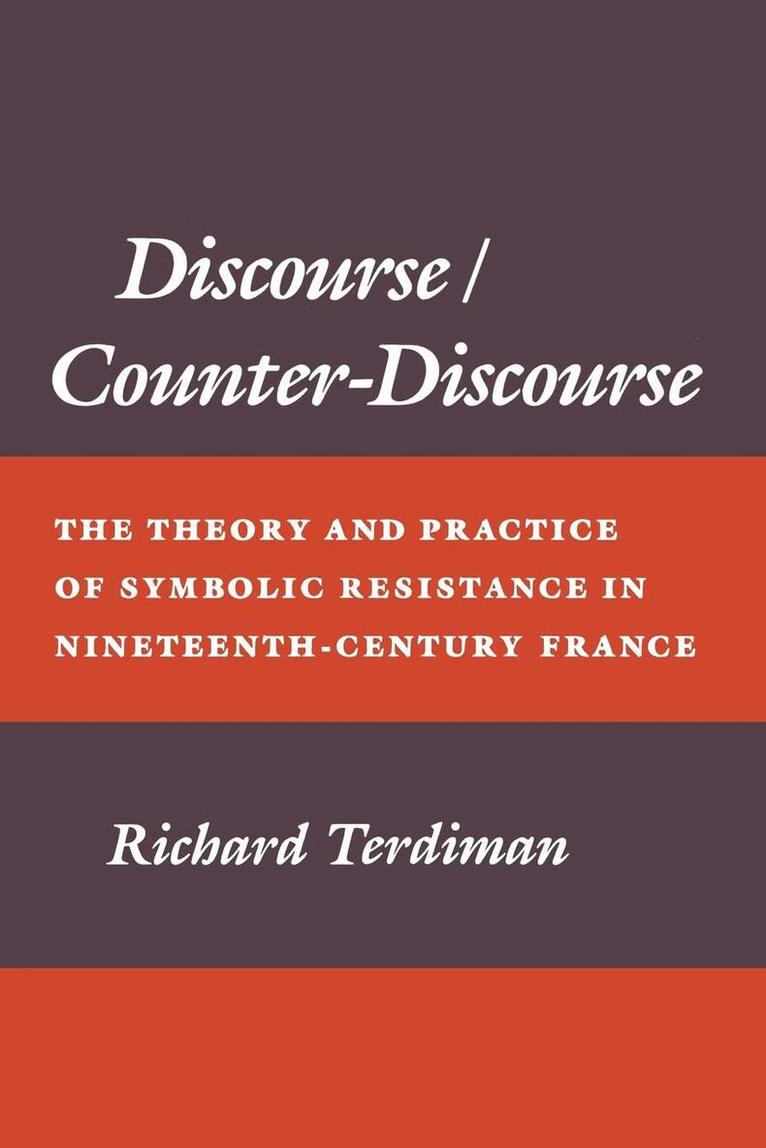
Discourse/Counter-Discourse is situated on the border between cultural history and literary criticism: combining the insights of Marxism and semiotics, it attempts to delineate the cultural function of texts. Focusing on France during a period of remarkable cultural, social, and political transformation, Richard Terdiman examines both the dominant bourgeois discourse—novels, newspapers, and other mass forms of expression—and the effort of intellectuals to devise counter-discourses to combat it.
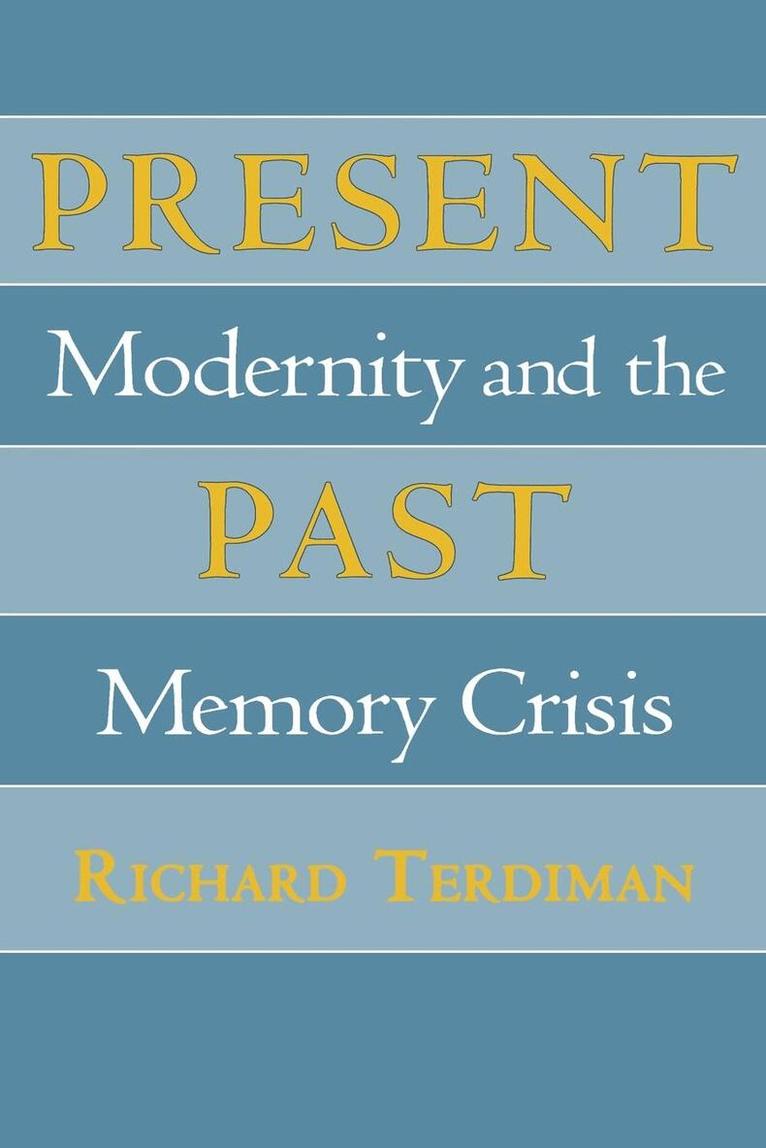
This book is about memory—about how the past persists into the present, and about how this persistence has been understood over the past two centuries. Since the French Revolution, memory has been the source of an intense disquiet. Fundamental cultural theories have sought to understand it, and have striven to represent its stresses.
Discourse/Counter-Discourse is situated on the border between cultural history and literary criticism: combining the insights of Marxism and semiotics, it attempts to delineate the cultural function of texts. Focusing on France during a period of remarkable cultural, social, and political transformation, Richard Terdiman examines both the dominant bourgeois discourse—novels, newspapers, and other mass forms of expression—and the effort of intellectuals to devise counter-discourses to combat it.
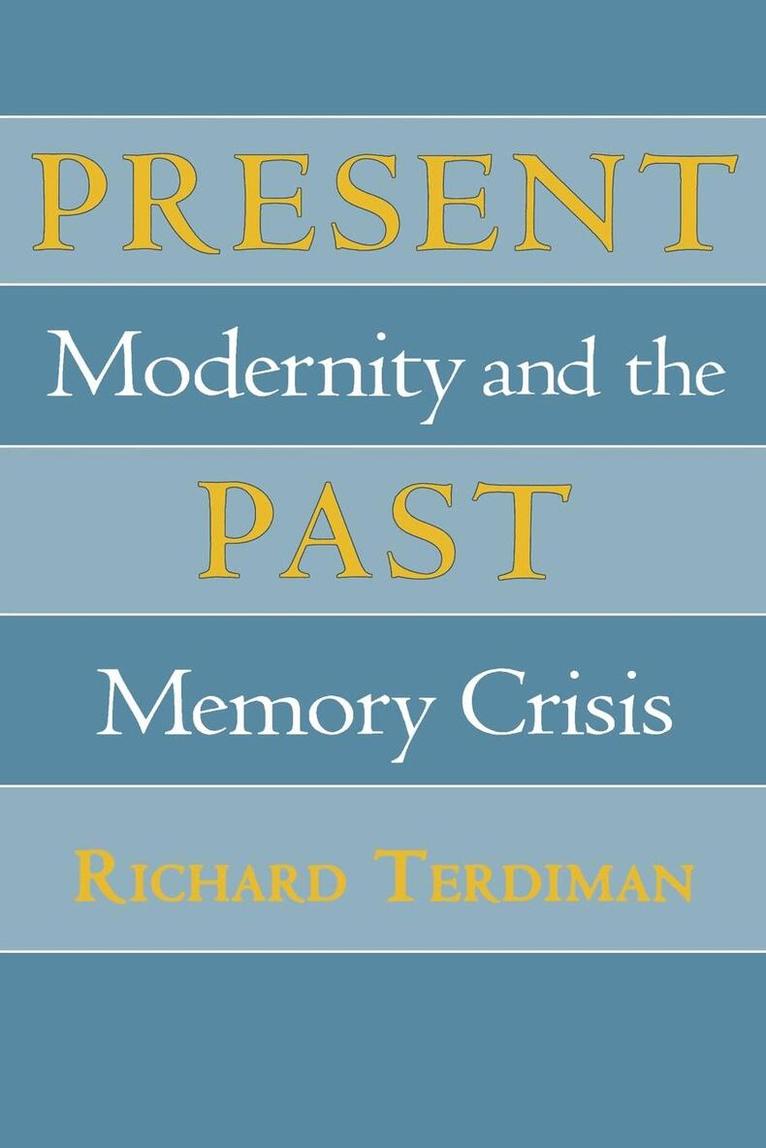
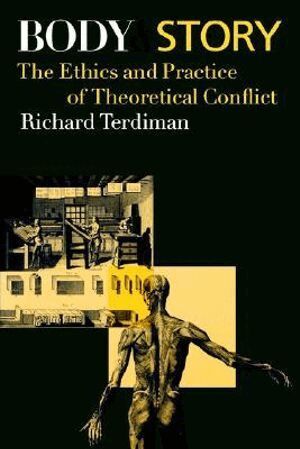
The title Body and Story refers to the division of categories which establishes one axis of this book: that which lies between the world understood in corporeal or material terms and the world understood as text. Richard Terdiman studies this contest between bodies and language--epistemological foundations for the Enlightenment and Postmodernity respectively--through the works of eighteenth-century encyclopedist Denis Diderot and of contemporary philosopher-icon Jacques Derrida. Terdiman argues that despite their very real and irreconcilable opposition, a constant negotiation or mutual interrogation has always taken place between these two domains of theory, even as the balance at times shifts to one side or the other. In analyzing these shifts at the center of the past few centuries' evolving understanding of human experience, he seeks also to develop a new model for understanding how theories can and do legitimately coexist in our intellectual conception of the world, and to offer a new ethics for managing this coexistence.
In Body and Story, Richard Terdiman explores the tension between what might seem to be two fundamentally different ways of understanding the world: as physical reality and as representation in language. In demonstrating the complicated relationship between these two modes of being, he also presents a new bold approach to the problem of conflicts between irreconcilable but equally compelling theoretical ideas. Enlightenment rationalism is most often understood as maintaining that words can meaningfully refer to and grasp things in the material world, while Postmodernism famously argues that nothing exists outside of language. Terdiman challenges this clean distinction, finding the early seeds of Postmodern doubt in the Enlightenment, and demonstrating the stubborn resistance of material reality-particularly that of the body-to language even today.Building on readings of works by 18th-century encyclopedist Denis Diderot and contemporary philosopher-icon Jacques Derrida, Terdiman argues that despite their genuine and profound opposition, a constant negotiation or mutual interrogation has always been taking place between these two world-views, even as the balance at times shifts to one side or the other. In analyzing these shifts he proposes a new model for understanding how seemingly unabridgeable theories legitimately coexist in our intellectual conception of the world, and he suggests a new ethics for managing this coexistence.