Rick Altman - Böcker
Visar alla böcker från författaren Rick Altman. Handla med fri frakt och snabb leverans.
10 produkter
10 produkter
2 569 kr
Skickas inom 3-6 vardagar
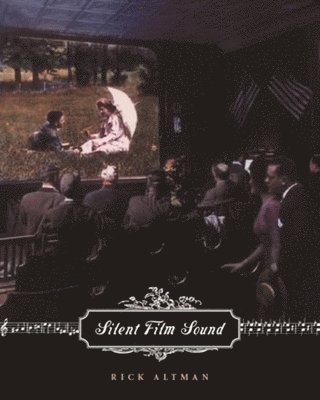
Because silent cinema is widely perceived as having been exactly that-silent-no one has fully examined how souns was used to accompany the films of this era. Silent Film Sound reconsiders all aspects of sound practices during the entire silent film period. Based on extensive origianl reserach and accompanied by gorgeous illustrations, the book challenges the assumptions of earlier histories of this period in film and reveals the complexity and swiftly changing nature of American silent cinema. Contrary to received opinion, silent films were not always accompanied, nor were accompaniments uniform. Beginning with sound practices before cinema's first decade and continuing through to the more familiar sound practices of the 1920s, Rick Altman discusses the variety of sound strategies and the way early cinema exhibitors used these strategies to differentiate their products.During the nickelodeon period prior to 1910, this variety reached its zenith, with theaters often deploying half a dozen competing sound strategies-from carniva-like music in the street, automatic pianos at the rear of the theater, and small orchestras in the pit to lecturers, synchronized sound systems, and voices behind the screen. During this period, musical accompaniment had not yet begun to support the story and its emotions as it would in later years. But in the 1910s, film sound acquiesced to the demands of the burgeoning cinema industry, who successfully argued that accompaniment should enhance film's narrative and emotional content rather than score points by burluesqiung or "kidding" the film. The large theaters and blockbuster productions of the mid-1910s provided a perfect crucible for new instruments, new music publication projects, and the development of a new style of film msuic. From that moment on, film music would become an integral part of the film rather than its adversary, and a new style of cinema sound would favor accompaniment that worked in concert with cinema story-telling.For the first time, Silent Film Sound details the ways in which these diverse intersts and industires cam together to produce an extraordinarily successful audiovisual art. Because silent cinema is widely perceived as having been exactly that-silent-no one has fully examined how sound was used to accompany the films of this era. Silent Film Sound reconsiders all aspects of sound practices during the entire silent film period. Based on extensive original research and accompanied by gorgeous illustrations, the book challenges the assumptions of earlier histories of this period in film and reveals the complexity and swiftly changing nature of American silent cinema. Contrary to received opinion, silent films were not always accompanied, nor were accompaniments uniform. Beginning with sound practices before cinema's first decade and continuing through to the more familiar sound practices of the 1920s, Rick Altman discusses the variety of sound strategies and the way early cinema exhibitors used these strategies to differentiate their products.During the nickelodeon period prior to 1910, this variety reached its zenith, with theaters often deploying half a dozen competing sound strategies-from carnival-like music in the street, automatic pianos at the rear of the theater, and small orchestras in the pit to lecturers, synchronized sound systems, and voices behind the screen. During this period, musical accompaniment had not yet begun to support the story and its emotions as it would in later years. But in the 1910s, film sound acquiesced to the demands of captains of the burgeoning cinema industry, who successfully argued that accompaniment should enhance the film's narrative and emotional content rather than score points by burlesquing or "kidding" the film. The large theaters and blockbuster productions of the mid-1910s provided a perfect crucible for new instruments, new music-publication projects, and the development of a new style of film music. From that moment on, film music would become an integral part of the film rather than its adversary, and a new style of cinema sound would favor accompaniment that worked in concert with cinema storytelling.For the first time, Silent Film Sound details the ways in which these diverse interests and industries came together to produce an extraordinarily successful audiovisual art.
706 kr
Skickas inom 3-6 vardagar
Because silent cinema is widely perceived as having been exactly that-silent-no one has fully examined how souns was used to accompany the films of this era. Silent Film Sound reconsiders all aspects of sound practices during the entire silent film period. Based on extensive origianl reserach and accompanied by gorgeous illustrations, the book challenges the assumptions of earlier histories of this period in film and reveals the complexity and swiftly changing nature of American silent cinema. Contrary to received opinion, silent films were not always accompanied, nor were accompaniments uniform. Beginning with sound practices before cinema's first decade and continuing through to the more familiar sound practices of the 1920s, Rick Altman discusses the variety of sound strategies and the way early cinema exhibitors used these strategies to differentiate their products.During the nickelodeon period prior to 1910, this variety reached its zenith, with theaters often deploying half a dozen competing sound strategies-from carniva-like music in the street, automatic pianos at the rear of the theater, and small orchestras in the pit to lecturers, synchronized sound systems, and voices behind the screen. During this period, musical accompaniment had not yet begun to support the story and its emotions as it would in later years. But in the 1910s, film sound acquiesced to the demands of the burgeoning cinema industry, who successfully argued that accompaniment should enhance film's narrative and emotional content rather than score points by burluesqiung or "kidding" the film. The large theaters and blockbuster productions of the mid-1910s provided a perfect crucible for new instruments, new music publication projects, and the development of a new style of film msuic. From that moment on, film music would become an integral part of the film rather than its adversary, and a new style of cinema sound would favor accompaniment that worked in concert with cinema story-telling.For the first time, Silent Film Sound details the ways in which these diverse intersts and industires cam together to produce an extraordinarily successful audiovisual art. Because silent cinema is widely perceived as having been exactly that-silent-no one has fully examined how sound was used to accompany the films of this era. Silent Film Sound reconsiders all aspects of sound practices during the entire silent film period. Based on extensive original research and accompanied by gorgeous illustrations, the book challenges the assumptions of earlier histories of this period in film and reveals the complexity and swiftly changing nature of American silent cinema. Contrary to received opinion, silent films were not always accompanied, nor were accompaniments uniform. Beginning with sound practices before cinema's first decade and continuing through to the more familiar sound practices of the 1920s, Rick Altman discusses the variety of sound strategies and the way early cinema exhibitors used these strategies to differentiate their products.During the nickelodeon period prior to 1910, this variety reached its zenith, with theaters often deploying half a dozen competing sound strategies-from carnival-like music in the street, automatic pianos at the rear of the theater, and small orchestras in the pit to lecturers, synchronized sound systems, and voices behind the screen. During this period, musical accompaniment had not yet begun to support the story and its emotions as it would in later years. But in the 1910s, film sound acquiesced to the demands of captains of the burgeoning cinema industry, who successfully argued that accompaniment should enhance the film's narrative and emotional content rather than score points by burlesquing or "kidding" the film. The large theaters and blockbuster productions of the mid-1910s provided a perfect crucible for new instruments, new music-publication projects, and the development of a new style of film music. From that moment on, film music would become an integral part of the film rather than its adversary, and a new style of cinema sound would favor accompaniment that worked in concert with cinema storytelling.For the first time, Silent Film Sound details the ways in which these diverse interests and industries came together to produce an extraordinarily successful audiovisual art.
1 725 kr
Skickas inom 7-10 vardagar
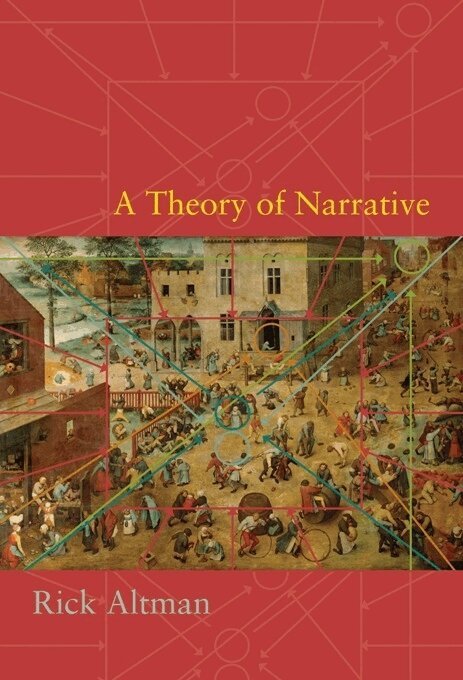
Narrative is a powerful element of human culture, storing and sharing the cherished parts of our personal memories and giving structure to our laws, entertainment, and history. We experience narrative in words, pictures, and film, yet regardless of how the tale is told, story remains independent from the media that makes it concrete. Narrative follows humans wherever they travel and adapts readily to new forms of communication. Constantly evolving and always up-to-date, narrative is a necessary strategy of human expression and a fundamental component of human identity. In order to understand human interaction, award-winning scholar Rick Altman launches a close study of narrative's nature, its variation in different contexts, and the method through which it makes meaning. Altman's approach breaks away from traditional forms of analysis, identifying three basic strategies: single-focus, dual-focus, and multiple-focus.Unpacking an intentionally diverse selection of texts, Altman demonstrates how these strategies function in context and illustrates their theoretical and practical applications in terms of textual analysis, literary and film history, social organization, religion, and politics. He employs inventive terminology and precise analytical methods throughout his groundbreaking work, making this volume ideal for teaching literary and film theory and for exploring the anatomy of narrative on a more general level.
369 kr
Skickas inom 7-10 vardagar
Narrative is a powerful element of human culture, storing and sharing the cherished parts of our personal memories and giving structure to our laws, entertainment, and history. We experience narrative in words, pictures, and film, yet regardless of how the tale is told, story remains independent from the media that makes it concrete. Narrative follows humans wherever they travel and adapts readily to new forms of communication. Constantly evolving and always up-to-date, narrative is a necessary strategy of human expression and a fundamental component of human identity. In order to understand human interaction, award-winning scholar Rick Altman launches a close study of narrative's nature, its variation in different contexts, and the method through which it makes meaning. Altman's approach breaks away from traditional forms of analysis, identifying three basic strategies: single-focus, dual-focus, and multiple-focus.Unpacking an intentionally diverse selection of texts, Altman demonstrates how these strategies function in context and illustrates their theoretical and practical applications in terms of textual analysis, literary and film history, social organization, religion, and politics. He employs inventive terminology and precise analytical methods throughout his groundbreaking work, making this volume ideal for teaching literary and film theory and for exploring the anatomy of narrative on a more general level.
596 kr
Skickas inom 10-15 vardagar
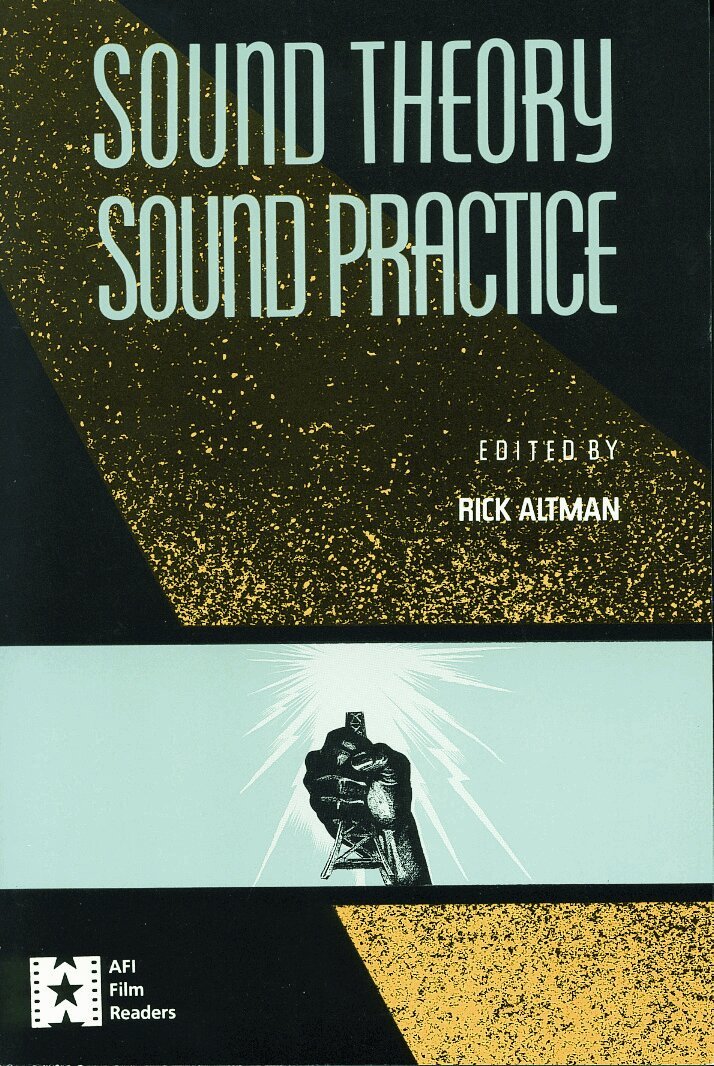
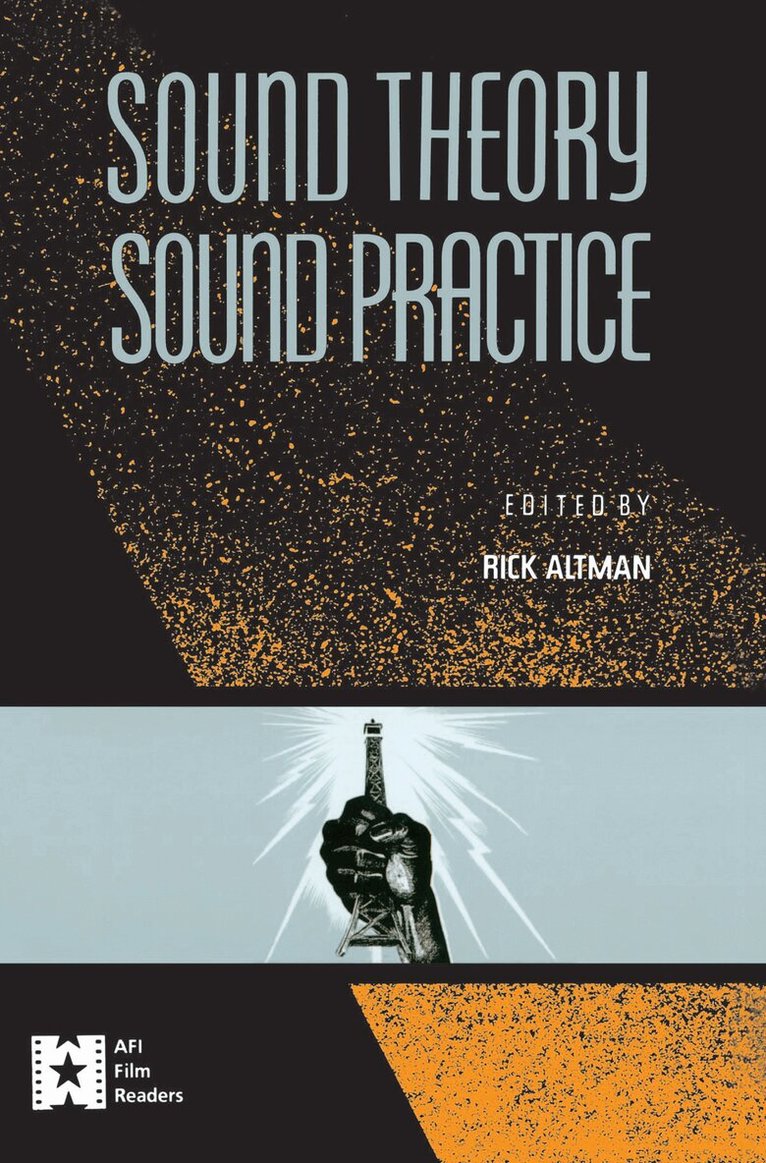
Dramatically broadening the previous field of research on sound, Sound Theory/Sound Practice promises to renew the debate over the importance of sound to cinema, from a theoretical as well as a historical perspective.
251 kr
Skickas inom 5-8 vardagar
467 kr
Skickas inom 7-10 vardagar
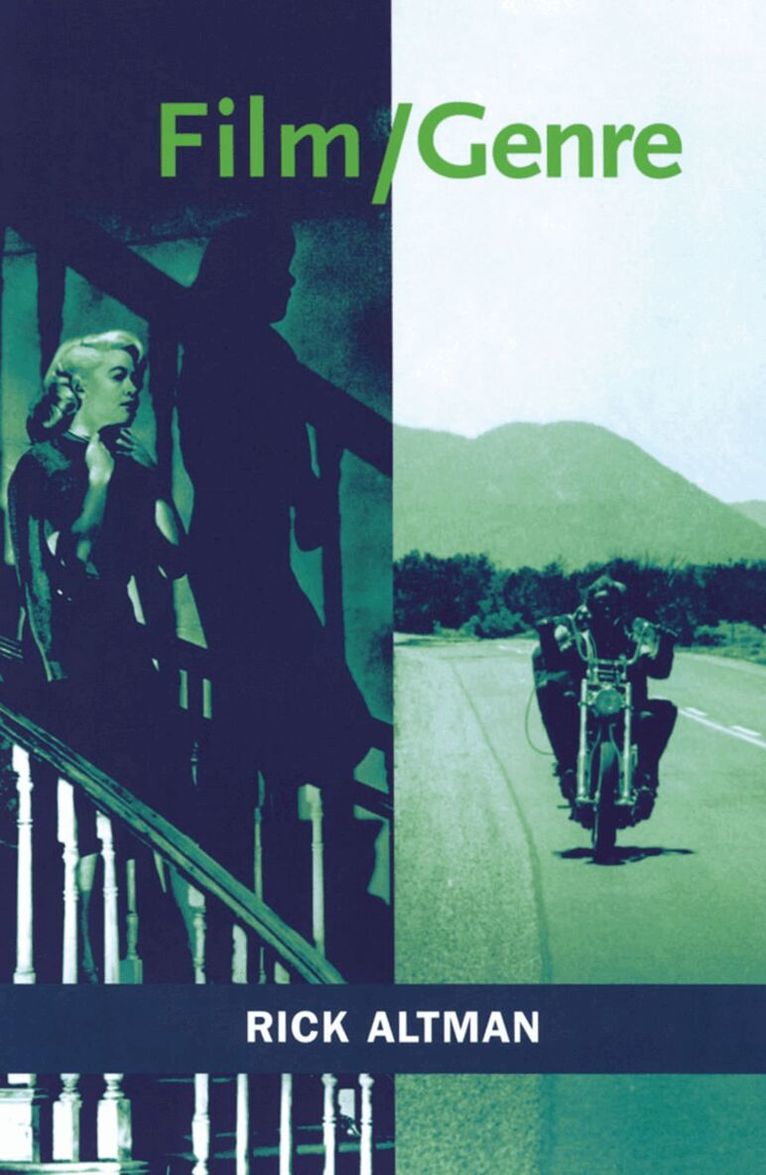
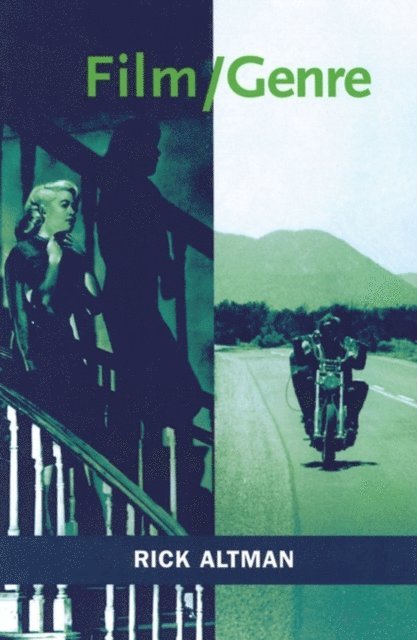
Film/Genre revises our notions of film genre and connects the roles played by industry critics and audiences in making and re-making genre. Altman reveals the conflicting stakes for which the genre game has been played and recognises that the term 'genre' has different meanings for different groups, basing his new genre theory on the uneasy competitive yet complimentary relationship among genre users and discussing a huge range of films from The Great Train Robbery to Star Wars and from The Jazz Singer to The Player.
259 kr
Skickas inom 3-6 vardagar
213 kr
Skickas inom 5-8 vardagar
2 103 kr
Skickas inom 10-15 vardagar
Dramatically broadening the previous field of research on sound, Sound Theory/Sound Practice promises to renew the debate over the importance of sound to cinema, from a theoretical as well as a historical perspective.