Rick Peterson – författare
Visar alla böcker från författaren Rick Peterson. Handla med fri frakt och snabb leverans.
6 produkter
6 produkter
Inbunden, Engelska, 2019
1 185 kr
Skickas inom 5-8 vardagar
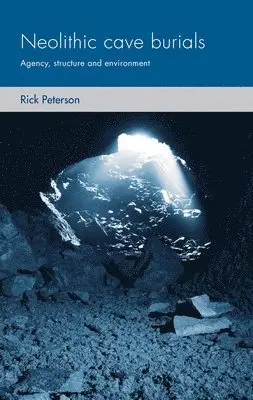
This is the first book-length treatment of Neolithic burial in Britain to focus primarily on cave evidence. It interprets human remains from forty-eight caves and compares them to what we know of Neolithic collective burial elsewhere in Britain and Europe. It reviews the archaeology of these cave burials and treats them as important evidence for the study of mortuary practice. Drawing on evidence from archaeology, anthropology, osteology and cave science, the book demonstrates that cave burial was one of the earliest elements of the British Neolithic. It also shows that Early Neolithic cave-burial practice was highly varied, with many similarities to other burial rites. However, by the Middle Neolithic, a funerary practice which was specific to caves had developed.
E-bok
Engelska, 2021123 kr
Läs direkt efter köp
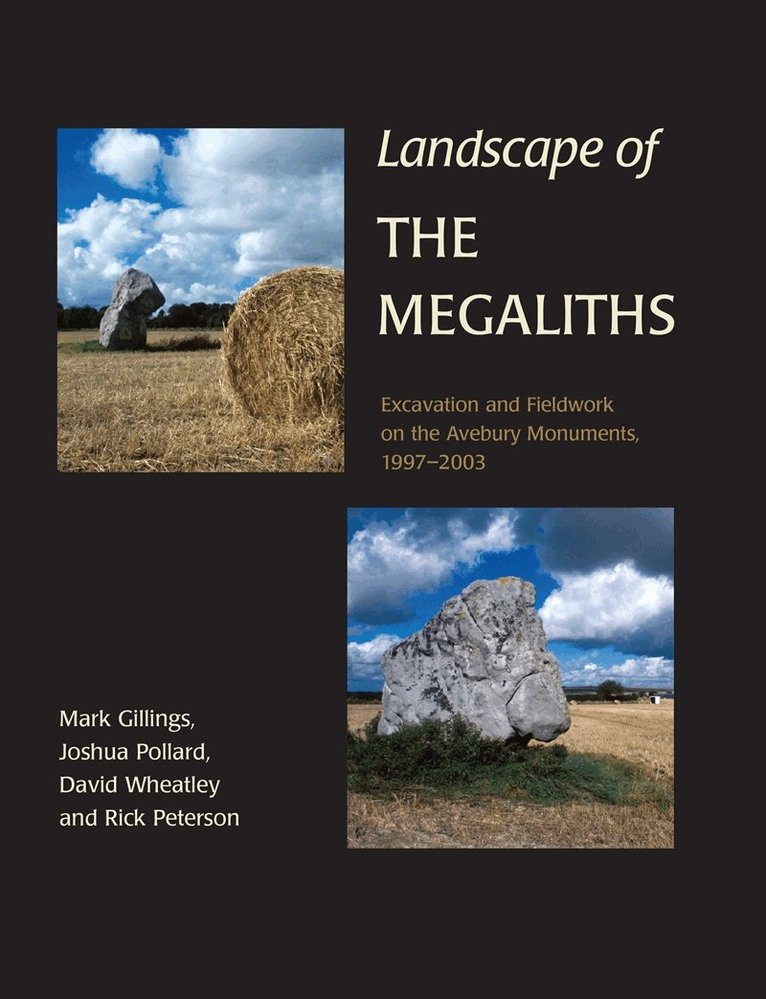
This volume describes the results of the Longstones Project , a joint-universities programme of excavation and survey designed to develop a fuller understanding of the context and dynamics of monument construction in the later Neolithic (3rd millennium BC) of the Avebury region, Wiltshire. Several elements of this internationally important prehistoric monument complex were investigated: an early-mid 3rd millennium BC enclosure at Beckhampton; the recently re-discovered Beckhampton Avenue and Longstones Cove; a section of the West Kennet Avenue; the Falkner's stone circle; and the Cove within Avebury's Northern Inner Circle. The research sheds new light on the complexities and development of this monument rich area and consideration is given to the questions of how and why ceremonial centres such as that at Avebury came into being in the 3rd millennium BC. The importance of understanding the agency - the affective and perceived inherent qualities - of materials and landscapes is stressed; and the unusual character of the Wessex monument complexes is highlighted by comparison with the format and sequences of other ceremonial centres in southern Britain. The second part of the monograph tracks the later, post-prehistoric, lives of Avebury's megalithic monuments including a detailed account of the early 18th-century records of the Beckhampton Avenue made by the antiquary William Stukeley.
Häftad, Engelska, 2003
880 kr
Skickas inom 5-8 vardagar
E-bok
Engelska, 2021123 kr
Läs direkt efter köp
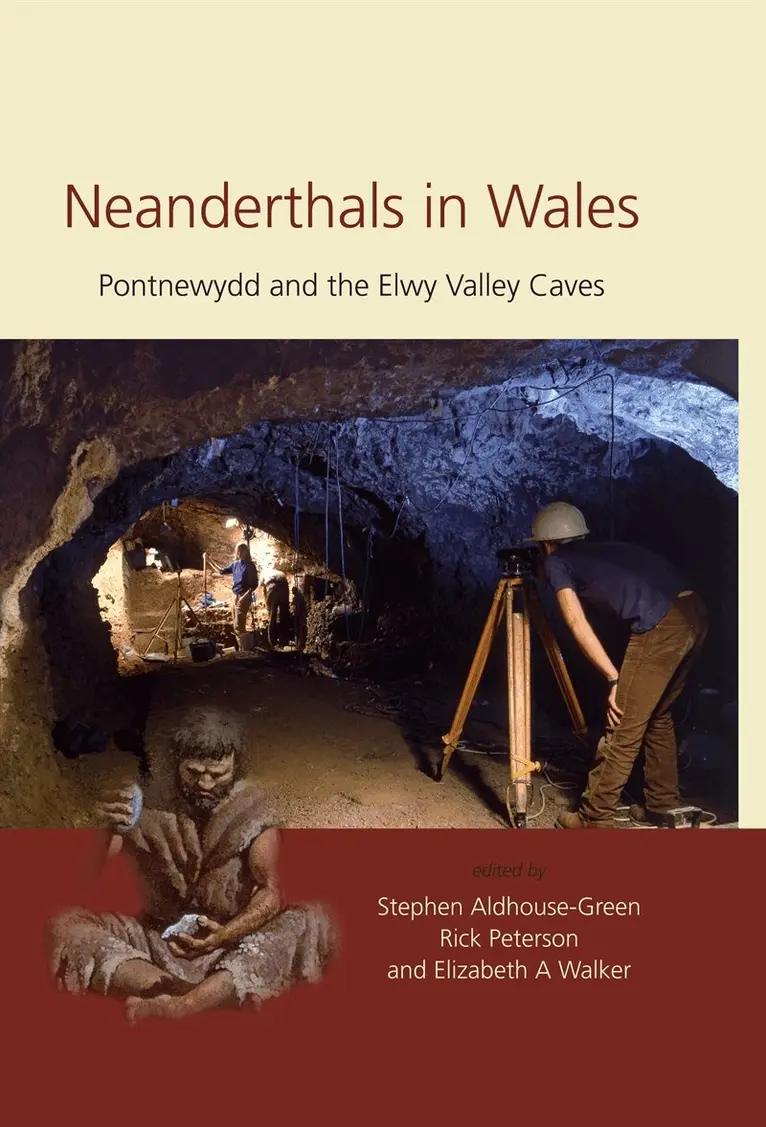
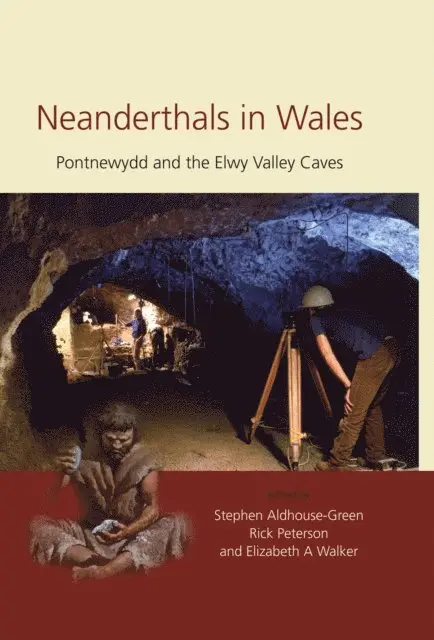
The final publication of results of the excavations at Pontnewydd cave in north-east Wales has been eagerly awaited. The site was investigated as part of the Palaeolithic Settlement of Wales Research Programme, which has been responsible for transforming understanding of the nature of human settlement on the very margins of Eurasia by early Neanderthals. The caves of the Elwy valley in north-east Wales contain evidence of the earliest human occupation of Wales. This monograph documents the results of 20 years of field research. It describes the traces of occupation left around 225,000 years ago by people who were ancestors of the Neanderthals. These include stone tools, animal bones and the remains of the people themselves. The key cave site, Pontnewydd, is full of international significance, producing artefacts and fauna associated with early Neanderthal skeletal material, related to repeated occupations of the cave around a quarter of a million years ago. Key issues relating to gender and diet will be explored. Within the faunal assemblage at Pontnewydd, as also within the potentially contemporary assemblage from the nearby cave of Cefn, it is possible to see interglacial elements which may date to MIS 7 or, even, to the preceding interglacial cycle (MIS 9), fully 50 to 100,000 years earlier. The pointers here are the rhinoceros Stephanorhinus kirchbergensis , a large horse Equus ferus , and the leopard, Panthera pardus . None of these can be later than MIS 7 and may even be of MIS 9 age. Moreover, the species of bear represented at both Pontnewydd and Cefn is the cave bear ( Ursus spelaeus ) and these seem to be replaced by brown bears ( Ursus arctos ) during MIS 11 or 9. This inference of an early date for elements of the Pontnewydd and Cefn faunas is borne out by the presence of macaque at Cefn, a species not known in Britain after MIS 9. This multi-authored monograph will place the Elwy valley caves within a geological and archaeological context; allow a detailed publication of research on the artefacts, fauna and hominid remains; and provide a synthesis of how this work feeds back into understandings of the Palaeolithic settlement on the edge of the then known world.
332 kr
Läs direkt efter köp
The final publication of results of the excavations at Pontnewydd cave in north-east Wales has been eagerly awaited. The site was investigated as part of the Palaeolithic Settlement of Wales Research Programme, which has been responsible for transforming understanding of the nature of human settlement on the very margins of Eurasia by early Neanderthals. The caves of the Elwy valley in north-east Wales contain evidence of the earliest human occupation of Wales. This monograph documents the results of 20 years of field research. It describes the traces of occupation left around 225,000 years ago by people who were ancestors of the Neanderthals. These include stone tools, animal bones and the remains of the people themselves. The key cave site, Pontnewydd, is full of international significance, producing artefacts and fauna associated with early Neanderthal skeletal material, related to repeated occupations of the cave around a quarter of a million years ago. Key issues relating to gender and diet will be explored. Within the faunal assemblage at Pontnewydd, as also within the potentially contemporary assemblage from the nearby cave of Cefn, it is possible to see interglacial elements which may date to MIS 7 or, even, to the preceding interglacial cycle (MIS 9), fully 50 to 100,000 years earlier. The pointers here are the rhinoceros Stephanorhinus kirchbergensis , a large horse Equus ferus , and the leopard, Panthera pardus . None of these can be later than MIS 7 and may even be of MIS 9 age. Moreover, the species of bear represented at both Pontnewydd and Cefn is the cave bear ( Ursus spelaeus ) and these seem to be replaced by brown bears ( Ursus arctos ) during MIS 11 or 9. This inference of an early date for elements of the Pontnewydd and Cefn faunas is borne out by the presence of macaque at Cefn, a species not known in Britain after MIS 9. This multi-authored monograph will place the Elwy valley caves within a geological and archaeological context; allow a detailed publication of research on the artefacts, fauna and hominid remains; and provide a synthesis of how this work feeds back into understandings of the Palaeolithic settlement on the edge of the then known world.
Häftad, Engelska, 2017
345 kr
Tillfälligt slut