Ritesh Saha – författare
Visar alla böcker från författaren Ritesh Saha. Handla med fri frakt och snabb leverans.
5 produkter
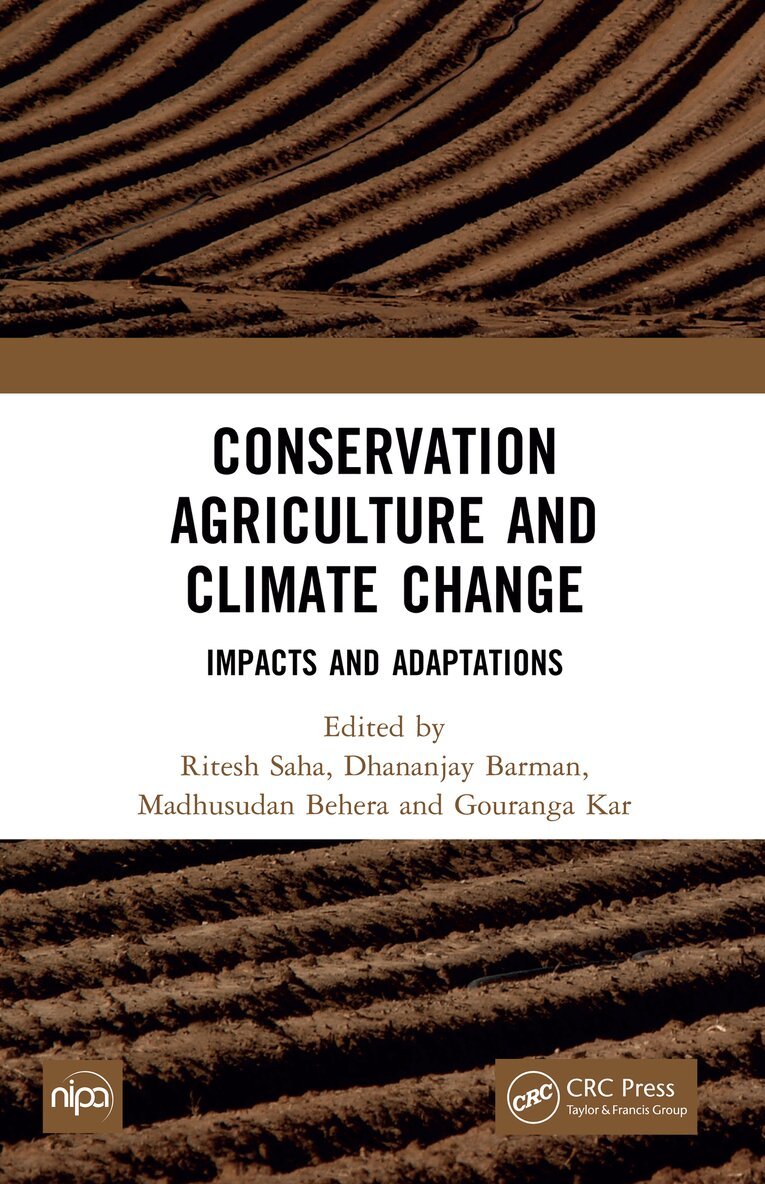
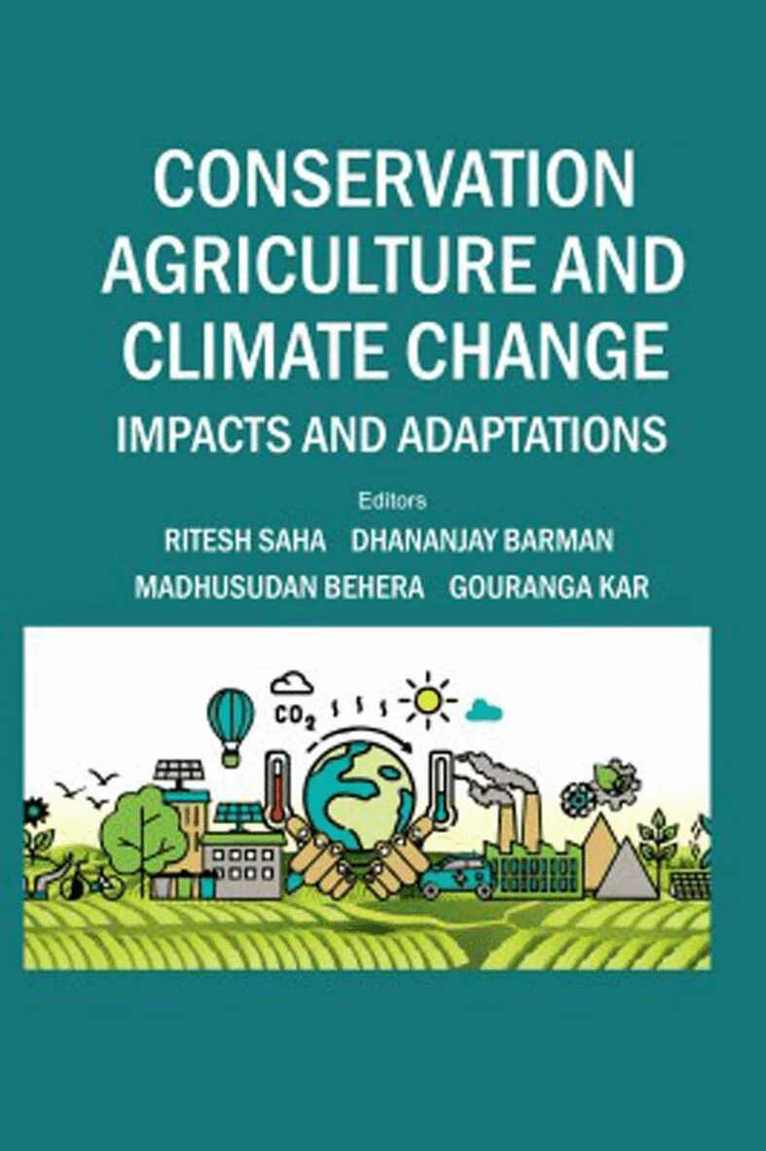
Conservation Agriculture and Climate Change
Impacts and Adaptations
Av Ritesh Saha, Dhananjay Barman m. fl.
E-bok, 2022
883 kr
Lägg i varukorg
Conventional tillage and burning crop residues has degraded the soil resource base and intensified soil degradation with concomitant decrease in crop production capacity. The emerging issue of global warming coupled with greenhouse gases emissions has further aggravated the scenario. Conservation …
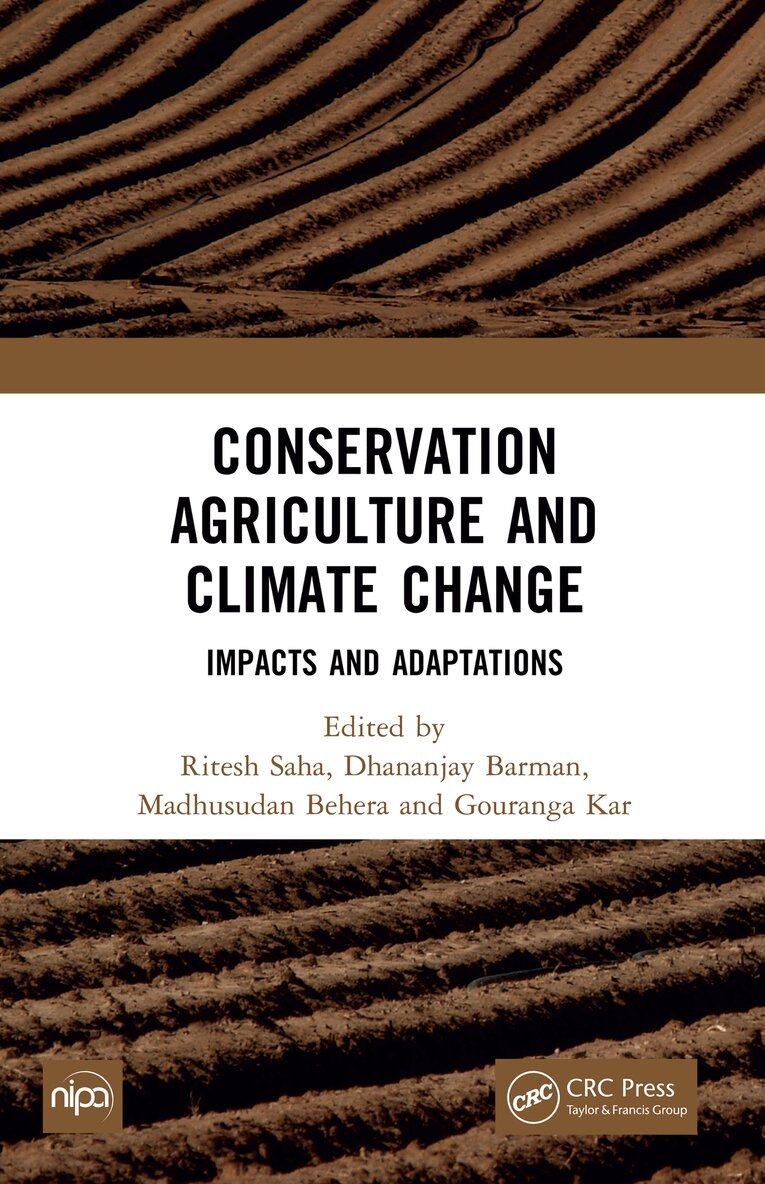
Conservation Agriculture and Climate Change
Impacts and Adaptations
Av Ritesh Saha, Dhananjay Barman m. fl.
E-bok, 2022
883 kr
Lägg i varukorg
Conventional tillage and burning crop residues has degraded the soil resource base and intensified soil degradation with concomitant decrease in crop production capacity. The emerging issue of global warming coupled with greenhouse gases emissions has further aggravated the scenario. Conservation …
Conservation Agriculture and Climate Change
Impacts and Adaptations
Av Ritesh Saha, Dhananjay Barman m. fl.
Inbunden, 2022
2510 kr
Lägg i varukorg
Conventional tillage and burning crop residues has degraded the soil resource base and intensified soil degradation with concomitant decrease in crop production capacity. The emerging issue of global warming coupled with greenhouse gases emissions has further aggravated the scenario. Conservation …
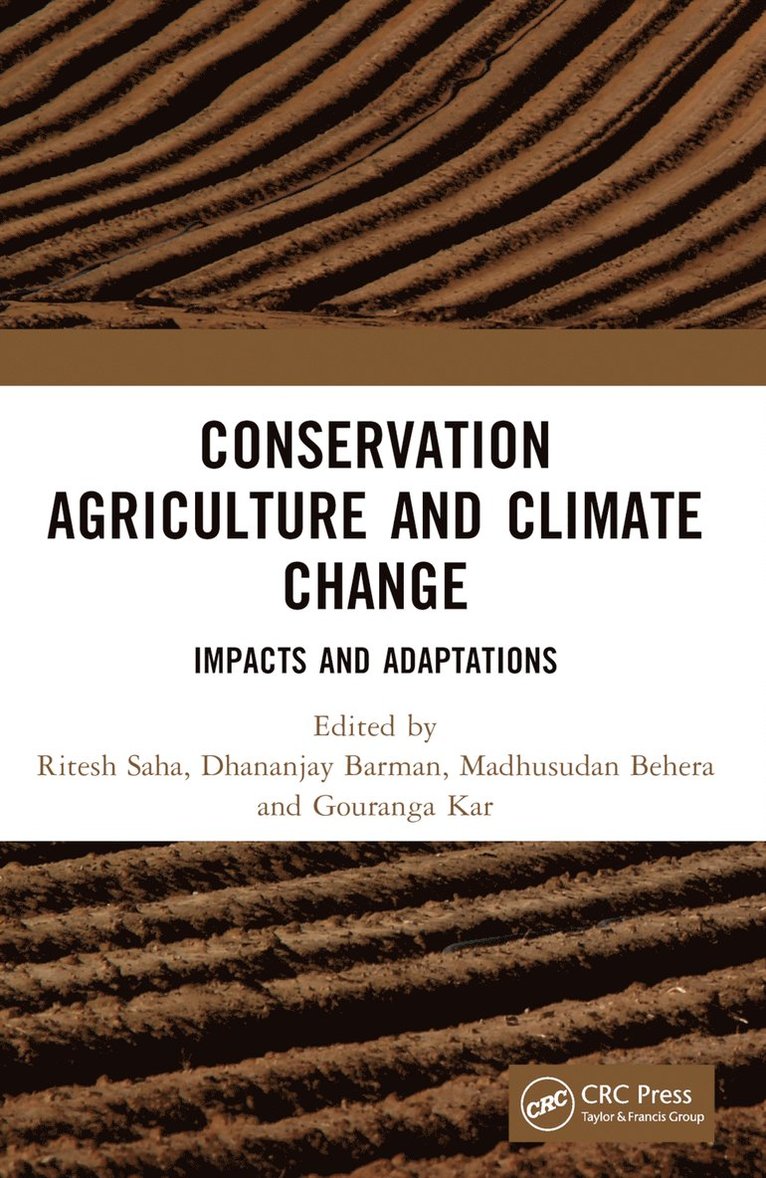
Conservation Agriculture and Climate Change
Impacts and Adaptations
Av Ritesh Saha, Dhananjay Barman m. fl.
Häftad, 2024
749 kr
Lägg i varukorg
Conventional tillage and burning crop residues has degraded the soil resource base and intensified soil degradation with concomitant decrease in crop production capacity. The emerging issue of global warming coupled with greenhouse gases emissions has further aggravated the scenario. Conservation …
Conservation Agriculture and Climate Change
Av Madhusudan Behera & Gouranga Kar, Ritesh Saha, Dhananjay Barman, Ritesh Saha m. fl.
Inbunden, 2020
3293 kr
Lägg i varukorg
The use of conventional tillage and burning crop residues has led to the degradation of the soil resource base and intensified soil degradation, resulting in a decrease in crop production capacity. The exacerbating issue of global warming and greenhouse gas emissions has further compounded the …