Robert B. Gibbs - Böcker
Visar alla böcker från författaren Robert B. Gibbs. Handla med fri frakt och snabb leverans.
2 produkter
2 produkter
334 kr
Skickas
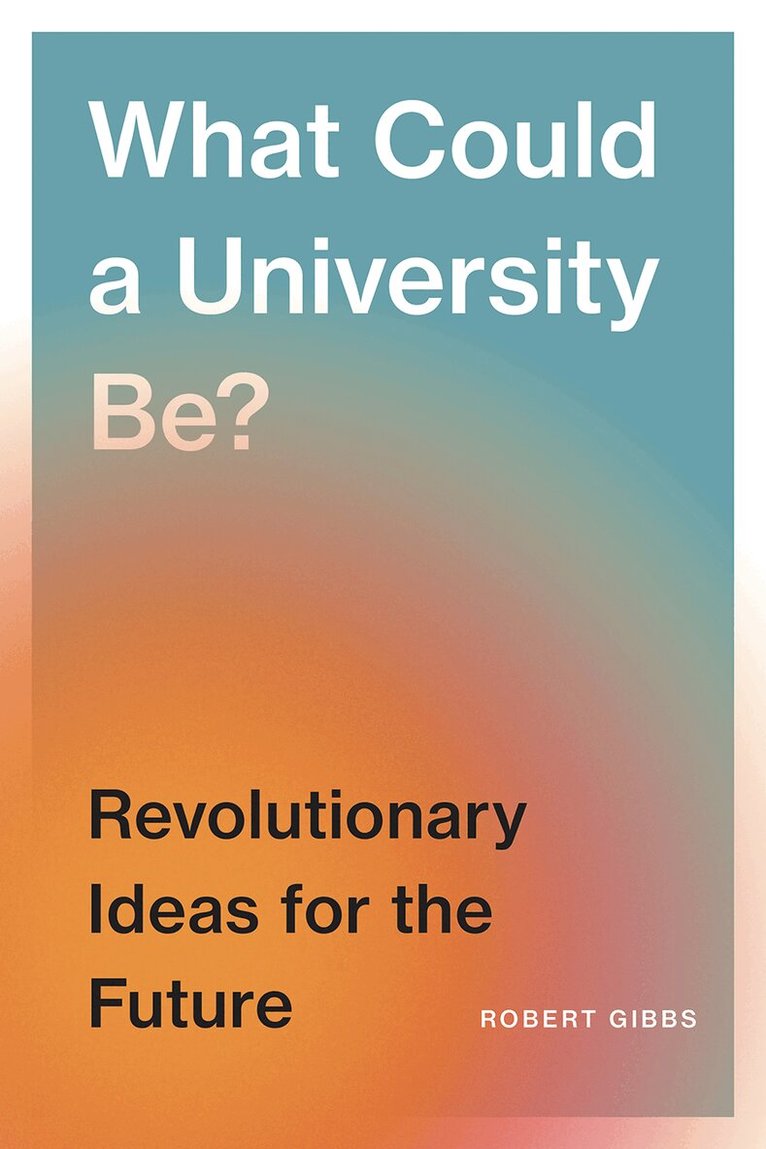
Students are not clients, job seekers, or consumers. Their purpose is the pursuit of knowledge. So why do universities largely restrict inquiry to professors and graduate students? In What Could a University Be? Robert Gibbs imagines a university focused on engaging students in research at all levels and across all faculties, including professional schools.Gibbs proposes a widely applicable model that reverses the traditional top-down flow by teaching students how to conduct research and become knowledge creators rather than passive recipients. His future university embraces different perspectives on what knowledge is and draws its research questions from the society around it.What Could a University Be? will change how readers understand teaching, research, the kinds of thinking in which students should engage, and the role of the university in solving the many challenges of our time.
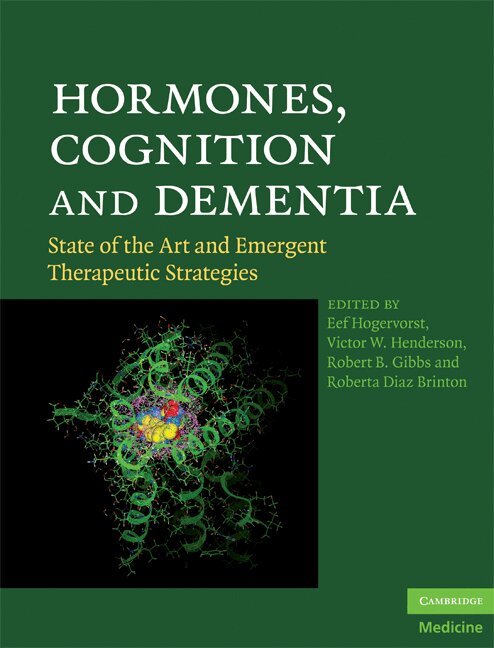
Hormones, Cognition and Dementia
State of the Art and Emergent Therapeutic Strategies
Inbunden, Engelska, 2009
1 226 kr
Skickas inom 7-10 vardagar
A decade ago, oestrogen-containing hormone therapy was viewed as a promising strategy for the prevention and treatment of dementia and age-related cognitive decline. However, treatment trials in women with Alzheimer's disease showed that oestrogens did not reverse cognitive impairment, and clinical trials in healthy older women indicated that oestrogens did not prevent cognitive decline. The Women's Health Initiative Memory Study trial even suggested an increased risk of dementia with treatment late in life. What happened? How are we to understand these findings? What are the implications for middle-aged and older women? What about testosterone, and what about men? And where do we go from here? This book brings together world-renowned experts in basic and clinical research on sex steroids, aging, and cognition to integrate existing findings with emerging new data, and offer challenging hypotheses on these key issues.