Robert C. B. Miller – författare
Visar alla böcker från författaren Robert C. B. Miller. Handla med fri frakt och snabb leverans.
3 produkter
3 produkter
Inbunden, Engelska, 2003
234 kr
Skickas inom 5-8 vardagar
The teaching of economic history is in decline in our schools and universities. Yet much can be learned from the analysis of historical economic events. In railway.com Robert Miller combines such analysis with an explanation of the technological developments in order to draw parallels between the early British railways and the ICT revolution. Study of the former enables us to understand likely trends in the latter. Furthermore, a number of important policy implications can be drawn from the study of the economic history of both events. Robert Miller shows too how stock market bubbles do not necessarily lead to economic losses. The use of central planning for allocating capital in network development has simply led to technological networks being under-provided. The author also considers the issues of technology 'lock in' and examines how markets, even in apparently unsophisticated economies, can solve complex resource allocation problems.
E-bok
PDF, Engelska, 201552 kr
Läs direkt efter köp
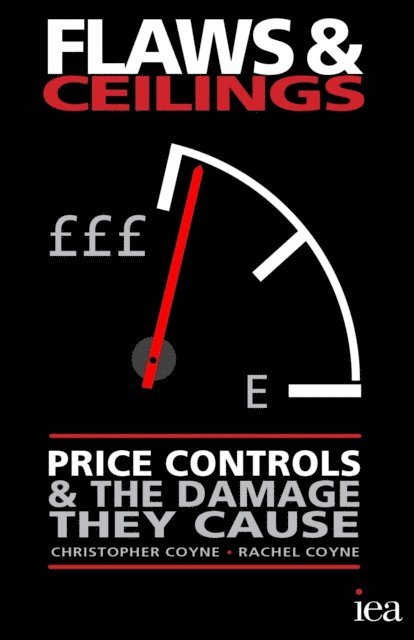
Price controls across many sectors are currently being hotly debated. New controls in the housing market, more onerous minimum wages, minimum prices for alcohol, and freezes on energy prices are very high up the agenda of most politicians at the moment. Even without any further controls, wages, university fees, railway fares and many financial products already have their prices at least partly determined by politicians rather than by supply and demand in the market. Indeed, barely a sector of the UK economy is unaffected in one way or another by government controls on prices. This book demonstrates why economists do not like price controls and shows why they are widely regarded as being amongst the most damaging political interventions in markets. The authors analyse, in a very readable fashion, the damage they cause. Crucially, the authors also explain why, despite universal criticism from economists, price controls are so popular amongst politicians.
E-bok
Engelska, 201552 kr
Läs direkt efter köp
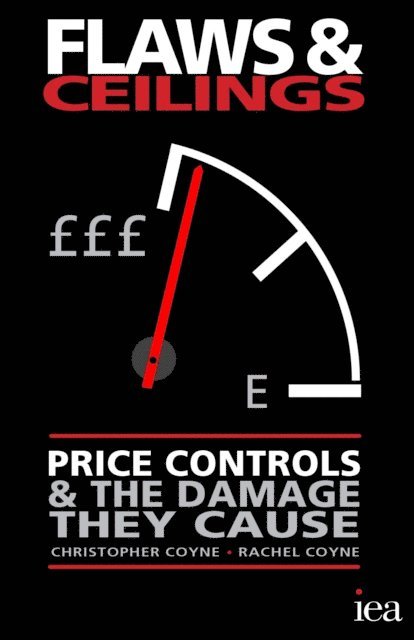
Price controls across many sectors are currently being hotly debated. New controls in the housing market, more onerous minimum wages, minimum prices for alcohol, and freezes on energy prices are very high up the agenda of most politicians at the moment. Even without any further controls, wages, university fees, railway fares and many financial products already have their prices at least partly determined by politicians rather than by supply and demand in the market. Indeed, barely a sector of the UK economy is unaffected in one way or another by government controls on prices. This book demonstrates why economists do not like price controls and shows why they are widely regarded as being amongst the most damaging political interventions in markets. The authors analyse, in a very readable fashion, the damage they cause. Crucially, the authors also explain why, despite universal criticism from economists, price controls are so popular amongst politicians.