Robert D. Hicks – författare
Visar alla böcker från författaren Robert D. Hicks. Handla med fri frakt och snabb leverans.
3 produkter
3 produkter
Inbunden, Engelska, 2019
459 kr
Skickas inom 5-8 vardagar
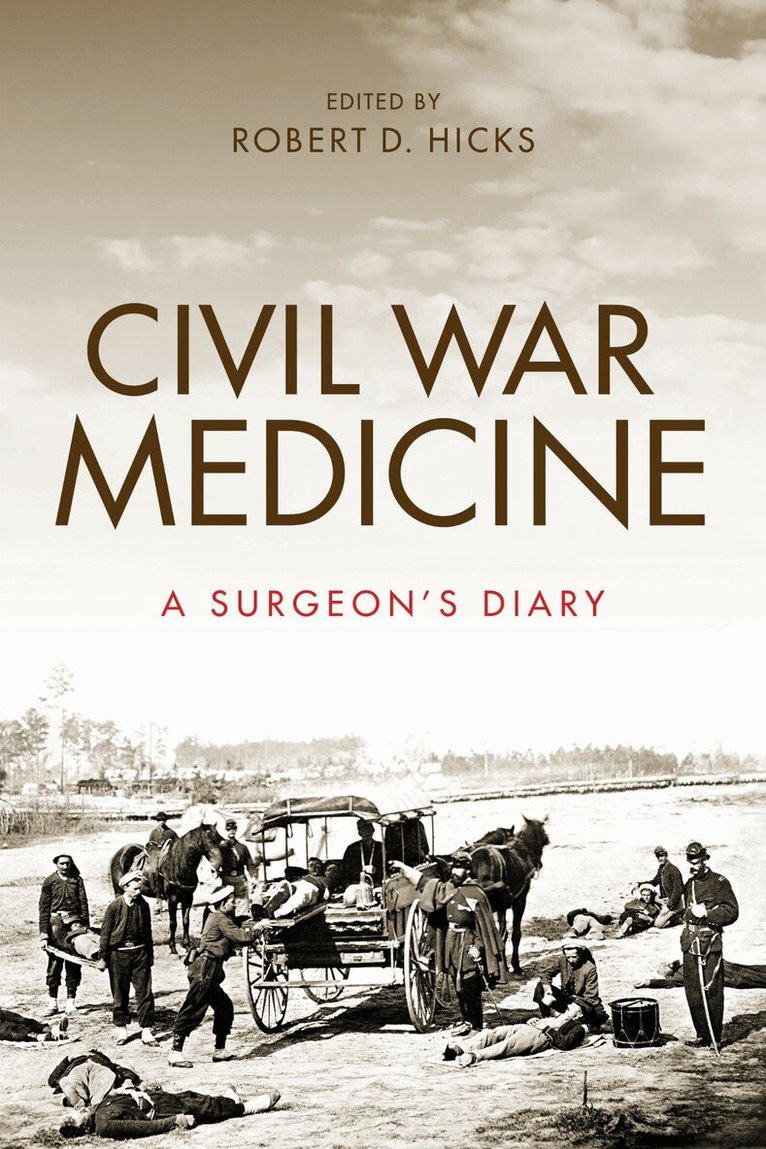
In this never before published diary, 29-year-old surgeon James Fulton transports readers into the harsh and deadly conditions of the Civil War as he struggles to save the lives of the patients under his care. Fulton joined a Union army volunteer regiment in 1862, only a year into the Civil War, and immediately began chronicling his experiences in a pocket diary. Despite his capture by the Confederate Army at Gettysburg and the confiscation of his medical tools, Fulton was able to keep his diary with him at all times. He provides a detailed account of the next two years, including his experiences treating the wounded and diseased during some of the most critical campaigns of the Civil War and his relationships with soldiers, their commanders, civilians, other health-care workers, and the opposing Confederate army. The diary also includes his notes on recipes for medical ailments from sore throats to syphilis.In addition to Fulton's diary, editor Robert D. Hicks and experts in Civil War medicine provide context and additional information on the practice and development of medicine during the Civil War, including the technology and methods available at the time, the organization of military medicine, doctor-patient interactions, and the role of women as caregivers and relief workers. Civil War Medicine: A Surgeon's Diary provides a compelling new account of the lives of soldiers during the Civil War and a doctor's experience of one of the worst health crises ever faced by the United States.
Inbunden, Engelska, 2024
396 kr
Skickas inom 3-6 vardagar
Most histories of wounded Civil War veterans construe them as feminized men whose manhood has suffered due to their inability to provide for and raise families or engage in business. Wounded for Life complicates this picture by examining how seven veterans—six soldiers and one physician—coped with their changed bodies in their postwar lives.Through these intimate stories, author Robert D. Hicks looks at the veteran's body as shaped by the trauma of the battlefield and hospital and the construction of a postwar identity in relation to that trauma. Through his research, he reveals the changing social circumstances of the late 19th and early 20th centuries as they impacted the traumatized veteran's body. This engaging book is equal parts Civil War history, disability and gender history, and the history of the body that discloses the impact of war on a wounded warrior.
Häftad, Engelska, 2003
331 kr
Skickas inom 5-8 vardagar
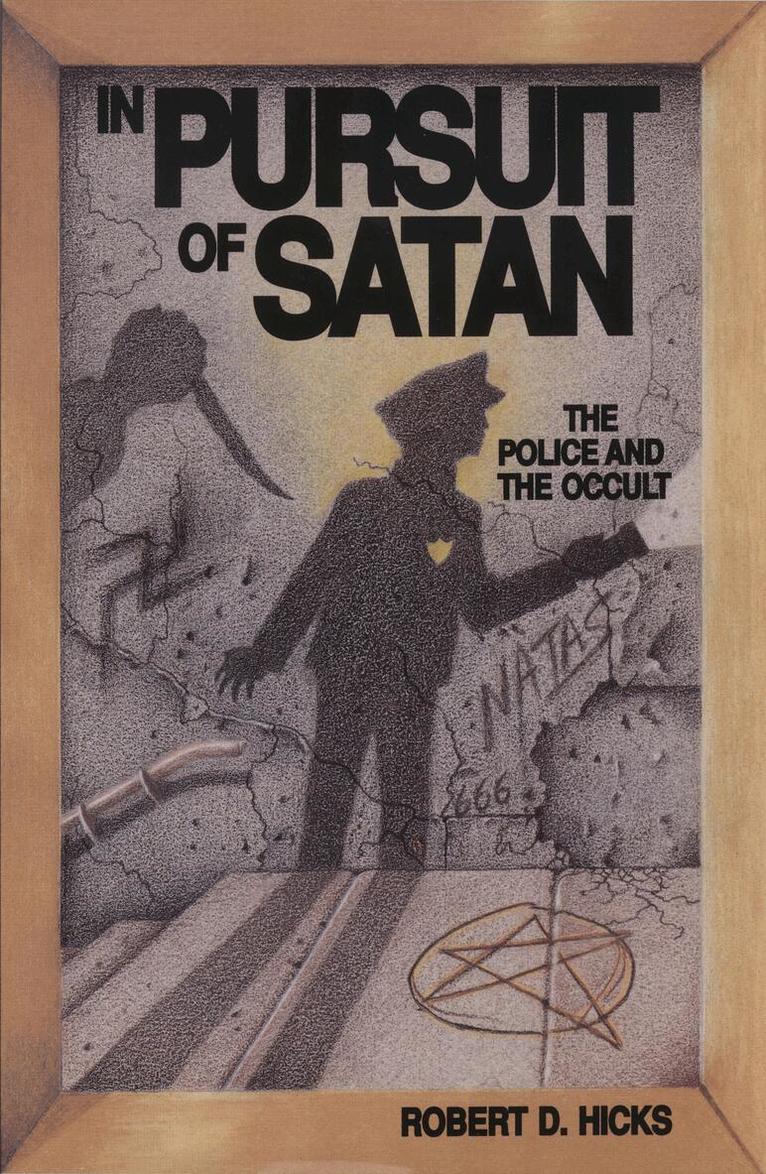
Mutilated animals. Defaced tombstones. Sexual abuse in daycare centers. Is America threatened by a satanic conspiracy? In this book, Robert D. Hicks exposes law enforcement's obsessive preoccupation with satanism as a model for criminal behavior. While satanic belief has played a part in crimes ranging from petty vandalism to serial murders, Hicks avows that there is no substantial evidence for the existence of a nationwide satanic crime continuum.Hicks points out that the satanic criminal model is expedient largely due to its simplicity and economy, reducing to simple formulas such complex problems as drug abuse, teen suicide, and sexual molestation. His research utilizes a unique blend of law-enforcement methodology, anthropology, folklore, history, sociology, psychology and psychiatry. He attributes the cult conspiracy theory to beliefs fueled by Christian fundamentalist sects and to the ungovernable mechanisms of rumor-panics, subversive mythology, and urban legend.In Pursuit of Satan documents examples of rumor-panics in which the police have fomented fear by attributing crimes to satanists, indulging in sheer speculation and promulgating misinformation through the sensationalist news media. Hicks examines the construction of the satanic ideology among law enforcement officials, focusing on the exploitation of satanism as a new scapegoat for public fears and addressing the phenomenon of credulity among police forces and allied professionals in social work, psychiatry, and psychology.