Robert Hornback – författare
Visar alla böcker från författaren Robert Hornback. Handla med fri frakt och snabb leverans.
5 produkter
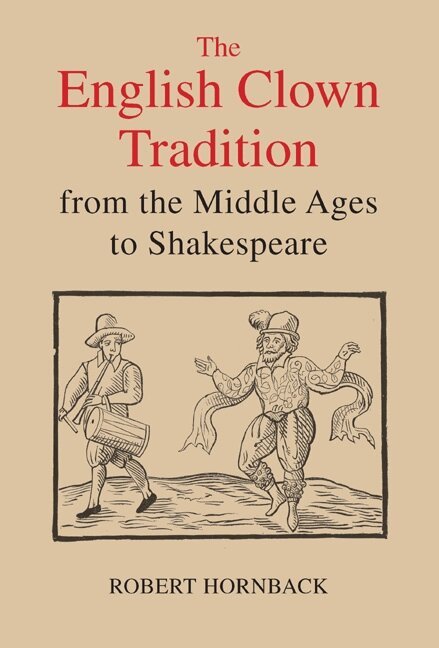
English Clown Tradition from the Middle Ages to Shakespeare
Inbunden, 2009
982 kr
Lägg i varukorg
A new account of medieval and Renaissance clown traditions reveals the true extent of their cultural influence.From the late-medieval period through to the seventeenth century, English theatrical clowns carried a weighty cultural significance, only to have it stripped from them, sometimes …
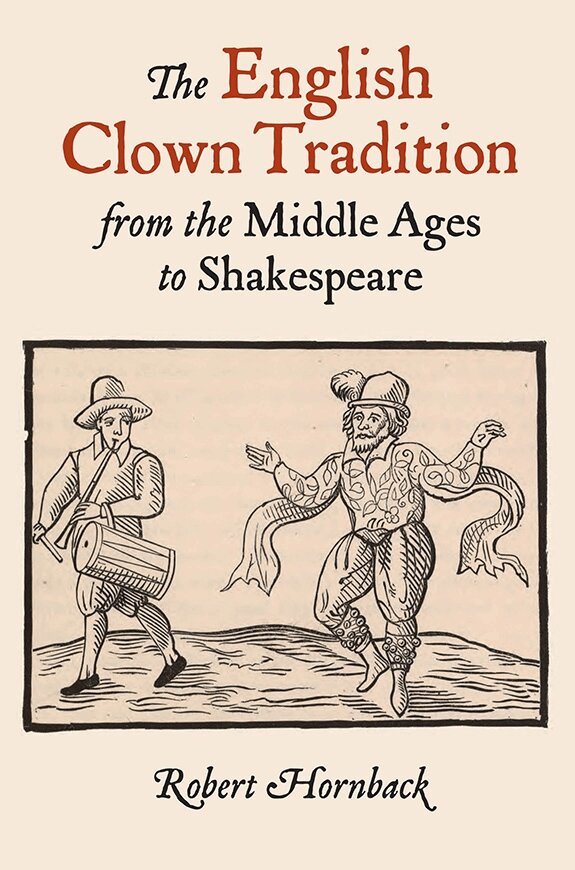
English Clown Tradition from the Middle Ages to Shakespeare
Häftad, 2013
345 kr
Lägg i varukorg
A new account of medieval and Renaissance clown traditions reveals the true extent of their cultural influence.From the late-medieval period through to the seventeenth century, English theatrical clowns carried a weighty cultural significance, only to have it stripped from them, sometimes …
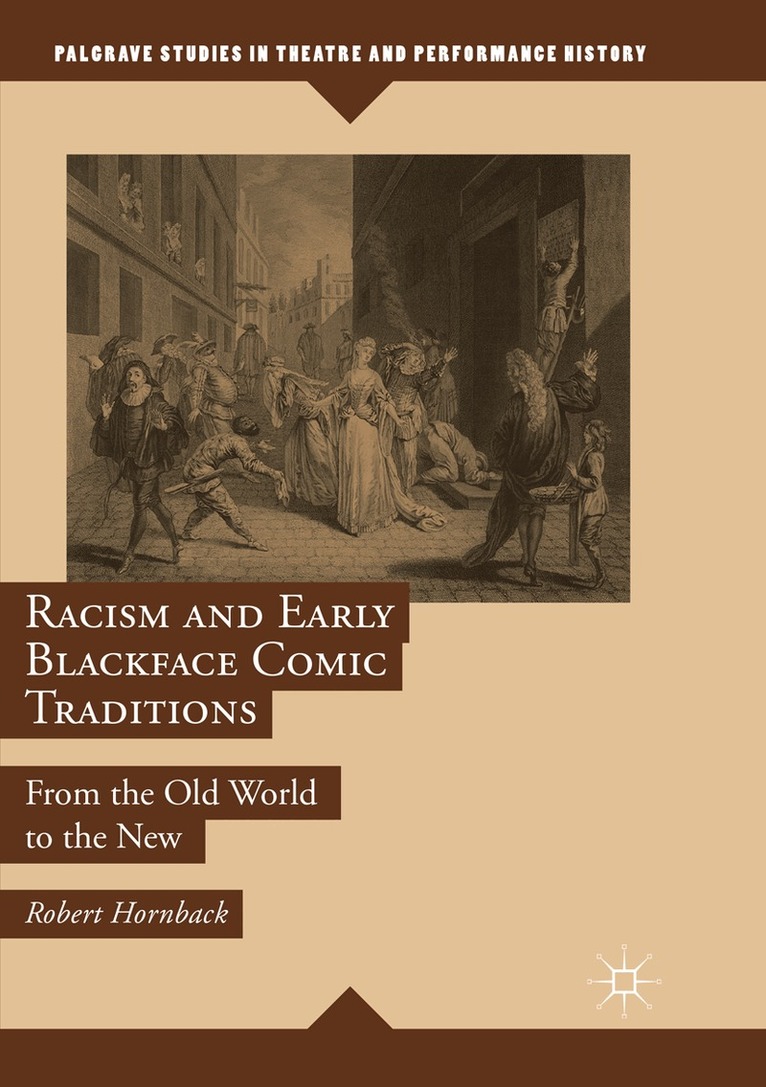
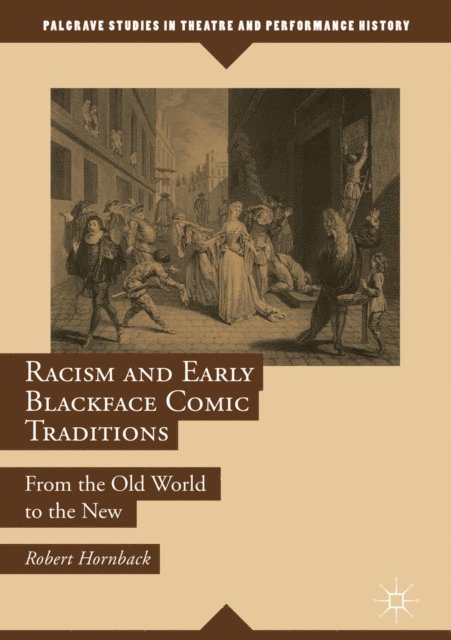
Racism and Early Blackface Comic Traditions
From the Old World to the New
Häftad, 2018
938 kr
Lägg i varukorg
This book traces blackface types from ancient masks of grinning Africans and phallus-bearing Roman fools through to comedic medieval devils, the pan-European black-masked Titivillus and Harlequin, and racial impersonation via stereotypical 'black speech' explored in the Renaissance by Lope de Vega …
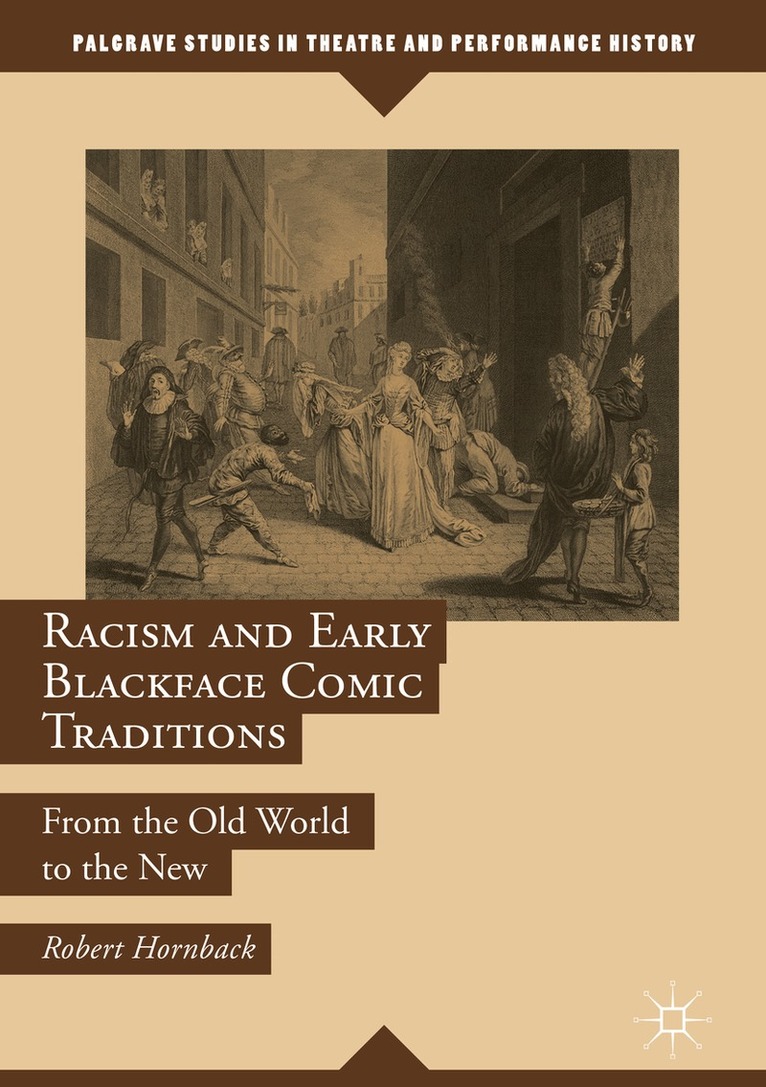
Racism and Early Blackface Comic Traditions
From the Old World to the New
Inbunden, 2018
1129 kr
Lägg i varukorg
This book traces blackface types from ancient masks of grinning Africans and phallus-bearing Roman fools through to comedic medieval devils, the pan-European black-masked Titivillus and Harlequin, and racial impersonation via stereotypical 'black speech' explored in the Renaissance by Lope de Vega …
Racism and Early Blackface Comic Traditions
From the Old World to the New
E-bok, 2018
1502 kr
Lägg i varukorg
This book traces blackface types from ancient masks of grinning Africans and phallus-bearing Roman fools through to comedic medieval devils, the pan-European black-masked Titivillus and Harlequin, and racial impersonation via stereotypical ''black speech'' explored in the Renaissance by Lope de …