Robert J. Blanchard – författare
Visar alla böcker från författaren . Handla med fri frakt och snabb leverans.
4 produkter
4 produkter
Inbunden, Engelska, 1989
5 228 kr
Skickas inom 10-15 vardagar
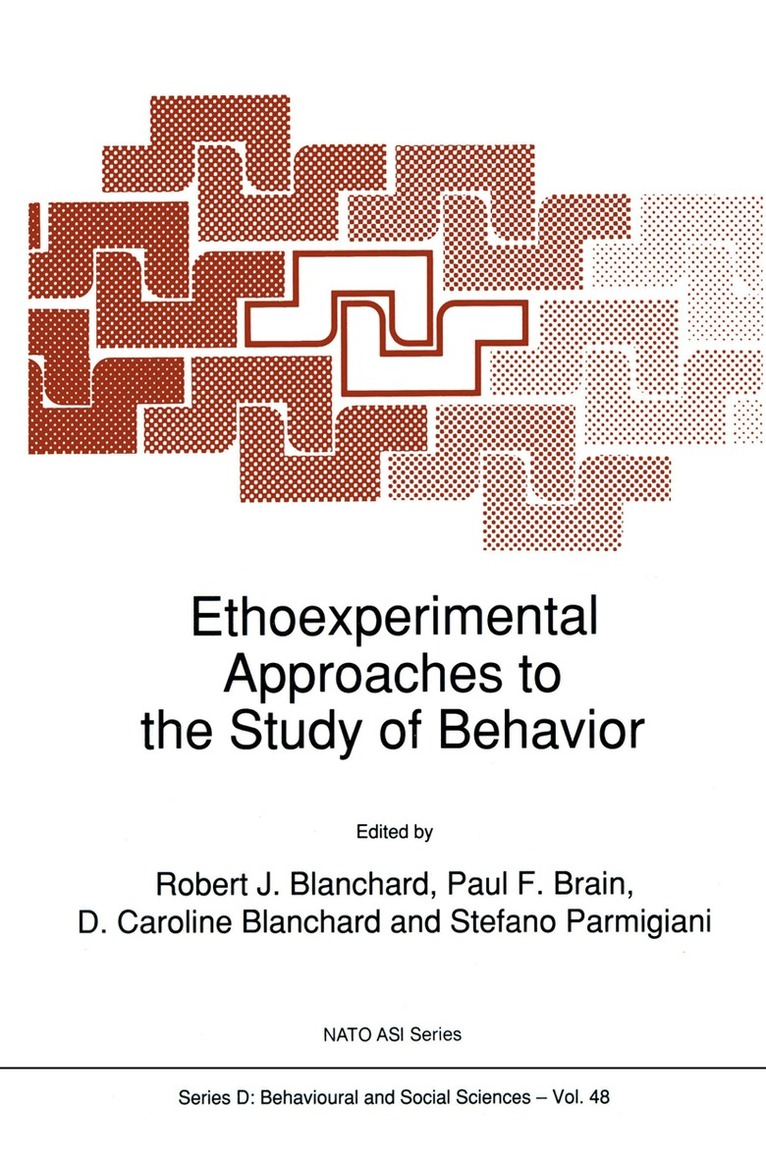
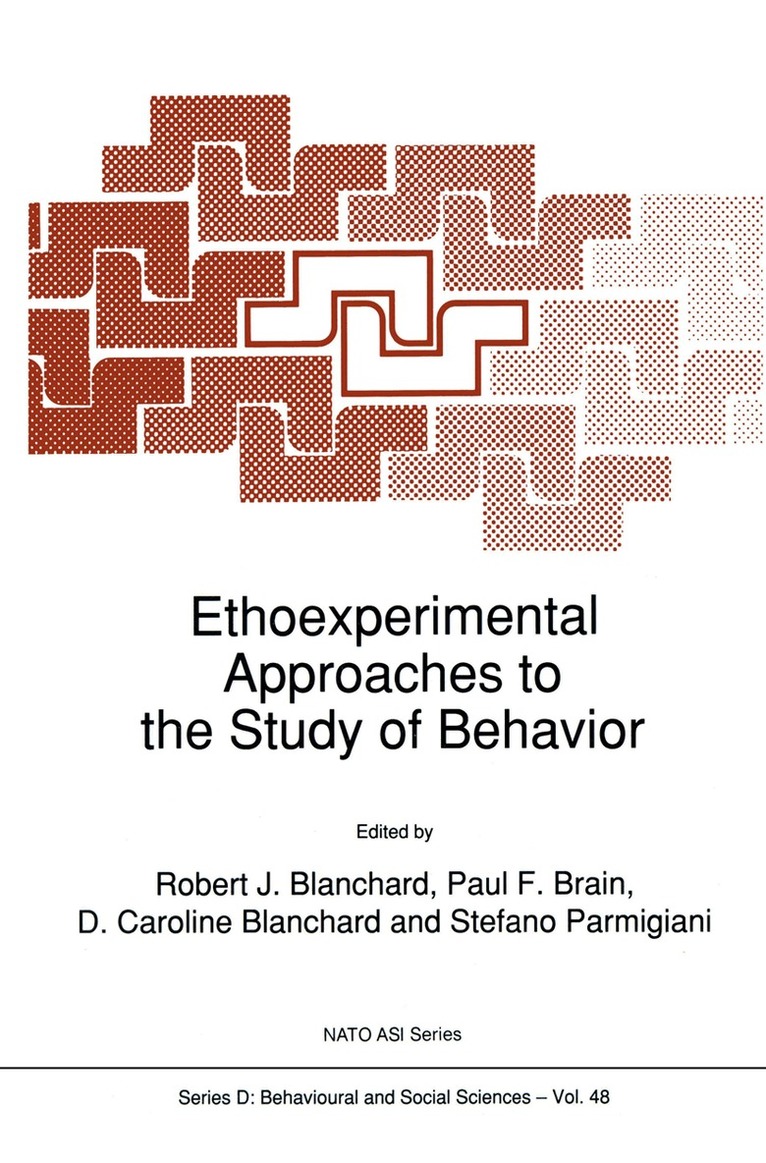
This volume is the outcome of a NATO Advanced Study Institute on the Ethoexperimental Analysis of Behavior, which was held at II Ciocco in Tuscany, in July, 1988. This particular ASI had an interesting history. In 1980, a NATO ASI on the topic of the Biology of Aggression was held in Bonas, France. This meeting brought together a group of European and American researchers and students from diverse areas, including Psychology, Zoology, Genetics and the like, all of whom were involved or becoming involved in the study of aggression. The Bonas meeting outlined several emerging trends in aggression research, the most prominent of which was an increased emphasis on the behavioral aspects of aggression. This included studying a variety of aggressive behaviors rather than single measures; an interest in what might have been previously considered minutiae, such as the targets for bites or blows and the specifics of movement relationships in dyadic interactions; and a desire to relate the dependent variables of laboratory tests to the typical aggressive behaviors seen for related animals in their natural habitats. This increased attention to natural patterns of aggressive behavior was also very interesting in light of the many findings presented at the Bonas meeting which indicated particular involvement of a number of biological systems in aggression: These findings suggested that aggression constitutes an evolved neurobehavioral system (quite possibly more than one, in fact) representing the activities of a relatively specific biological substrate expressed through a patterned system of behaviors.
E-bok
PDF, Engelska, 2013761 kr
Läs direkt efter köp
Advances in the Study of Aggression, Volume 1 aims to span some of the variety of aggression research, pinpointing areas in which phenomena or concepts that have arisen or been tested extensively with animal models are now being applied to human aggression. Chapter 1 presents an article on the relevance of animal aggression research to human aggression and discusses a brief sociobiological view of aggression and its immediate determinants over a number of mammalian species. A description of some features of human aggression and endeavor and its link to the animal model is also considered in this chapter. Chapter 2 is an article on the biological explanations of human aggression and the resulting therapies offered by such approaches, and Chapter 3 is an article on the development of stable aggressive reaction patterns in males. The next chapter is about the control of aggressive behavior by changes in attitudes, values, and the conditions of learning. Chapter 5 describes the coercive interactions of siblings and parents as well as those for siblings and identified problem children. Differences in sibling reactions between normal and distressed families together with the relationship of these differences to increased rates of coercive behaviors in distressed families are encompassed in this chapter. The text concludes by discussing advances in aggression research. Psychologists, psychiatrists, sociologists, anthropologists will find the book invaluable.
E-bok
PDF, Engelska, 2013761 kr
Läs direkt efter köp
Advances in the Study of Aggression, Volume 2 is a compendium of papers that discusses application of techniques and programs to human problems of aggression control. Papers evaluate interactive variables and phenomena in aggressive behavior: namely, the behavior of victims and perpetrators; the experience of the aggressive person before and after the aggressive event; pharmacological agents such as alcohol; and limitations on access to social opportunities for these same persons. A significant commonality of these papers is their recognition of the importance cognitive factors play in the control of aggression. One paper argues that a variety of emotional, physiological, situational, social, and cognitive antecedents regulate the expression of aggressive behavior. Another paper explains that in using punishment techniques, which can effectively control aggression, the inherent problems should be balanced against the benefits to victims, to the aggressor, and to society. One paper reviews studies that have examined the impact of television violence on children, as well as the attitude program designed by Huesmann et al. (1983) to mitigate these effects. The paper points out that though programs designed to mitigate the effects of sexual violence on young adults can be worthwhile, waiting until late adolescence or early adulthood is already waiting too long. The compendium can prove valuable for police administrators, criminologists, counselors, psychologists, lawyers, social workers, and parents of young and adolescent children.
Häftad, Engelska, 2011
5 540 kr
Skickas inom 10-15 vardagar
This volume is the outcome of a NATO Advanced Study Institute on the Ethoexperimental Analysis of Behavior, which was held at II Ciocco in Tuscany, in July, 1988. This particular ASI had an interesting history. In 1980, a NATO ASI on the topic of the Biology of Aggression was held in Bonas, France. This meeting brought together a group of European and American researchers and students from diverse areas, including Psychology, Zoology, Genetics and the like, all of whom were involved or becoming involved in the study of aggression. The Bonas meeting outlined several emerging trends in aggression research, the most prominent of which was an increased emphasis on the behavioral aspects of aggression. This included studying a variety of aggressive behaviors rather than single measures; an interest in what might have been previously considered minutiae, such as the targets for bites or blows and the specifics of movement relationships in dyadic interactions; and a desire to relate the dependent variables of laboratory tests to the typical aggressive behaviors seen for related animals in their natural habitats. This increased attention to natural patterns of aggressive behavior was also very interesting in light of the many findings presented at the Bonas meeting which indicated particular involvement of a number of biological systems in aggression: These findings suggested that aggression constitutes an evolved neurobehavioral system (quite possibly more than one, in fact) representing the activities of a relatively specific biological substrate expressed through a patterned system of behaviors.