Robert Mangaliso Sobukwe – författare
Visar alla böcker från författaren Robert Mangaliso Sobukwe. Handla med fri frakt och snabb leverans.
4 produkter
4 produkter
E-bok
PDF, Engelska, 2019570 kr
Läs direkt efter köp
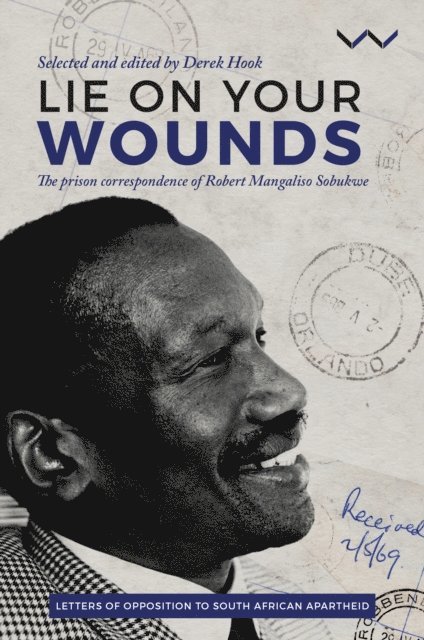
This book, comprising approximately 300 letters, provides access to the voice of Robert Sobukwe via the single most poignant resource of Sobukwe’s voice that exists: his prison letters. Not only do the letters evince Sobukwe’s storytelling abilities, they convey the complexity of a man who defied easy categorization. More than this: they are testimony both to the desolate conditions of his imprisonment and to Sobukwe’s unbending commitment to the cause of African liberation. The memory of Robert Mangaliso Sobukwe, inspirational political leader and first President of the Pan-Africanist Congress, has been sadly neglected in post-apartheid South Africa. In 1960, Sobukwe led the Anti-Pass Protests, which culminated in the Sharpeville Massacre, which proved a crucial turning point in the eventual demise of apartheid. Nevertheless, Sobukwe – a man once thought to hold greater promise for the liberation of South Africa than even Nelson Mandela – has been consistently marginalised in histories of the liberation struggle. Jailed for nine years, including a six-year period of near complete solitary confinement on Robben Island, Sobukwe was silenced throughout his life, a condition that has been extended into the post-apartheid present, so much so that we can say that Sobukwe was better known during rather than after apartheid. Given Sobukwe’s antagonistic relations both to white liberalism and to the African National Congress (whom he felt had betrayed the principles of African Nationalism), it is unsurprising that he has been subjected to a ‘consensus of forgetting’. With the changing political climate of recent years, the decline of the African National Congress’s hegemonic hold on power, the re-emergence of Black Consciousness and Africanist political discourse, the growth of student protests, Sobukwe is being looked to once again.
E-bok
Engelska, 2019570 kr
Läs direkt efter köp
This book, comprising approximately 300 letters, provides access to the voice of Robert Sobukwe via the single most poignant resource of Sobukwe’s voice that exists: his prison letters. Not only do the letters evince Sobukwe’s storytelling abilities, they convey the complexity of a man who defied easy categorization. More than this: they are testimony both to the desolate conditions of his imprisonment and to Sobukwe’s unbending commitment to the cause of African liberation. The memory of Robert Mangaliso Sobukwe, inspirational political leader and first President of the Pan-Africanist Congress, has been sadly neglected in post-apartheid South Africa. In 1960, Sobukwe led the Anti-Pass Protests, which culminated in the Sharpeville Massacre, which proved a crucial turning point in the eventual demise of apartheid. Nevertheless, Sobukwe – a man once thought to hold greater promise for the liberation of South Africa than even Nelson Mandela – has been consistently marginalised in histories of the liberation struggle. Jailed for nine years, including a six-year period of near complete solitary confinement on Robben Island, Sobukwe was silenced throughout his life, a condition that has been extended into the post-apartheid present, so much so that we can say that Sobukwe was better known during rather than after apartheid. Given Sobukwe’s antagonistic relations both to white liberalism and to the African National Congress (whom he felt had betrayed the principles of African Nationalism), it is unsurprising that he has been subjected to a ‘consensus of forgetting’. With the changing political climate of recent years, the decline of the African National Congress’s hegemonic hold on power, the re-emergence of Black Consciousness and Africanist political discourse, the growth of student protests, Sobukwe is being looked to once again.
E-bok
PDF, Engelska, 2024618 kr
Läs direkt efter köp
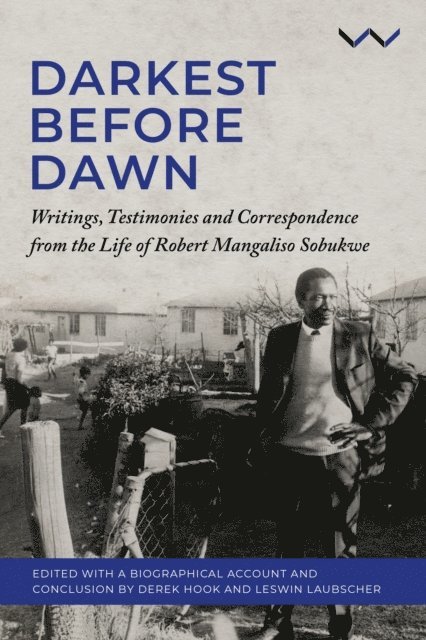
There are several accounts of Robert Sobukwe’s courageous role in contesting South Africa’s system of apartheid and of his incarceration on Robben Island after the Anti-Pass Campaign that led to the tragic events of Sharpeville in March 1960. Far less attention has been paid to the years the founder of the Pan Africanist Congress of Azania spent in Kimberley, between 1969–1978, after his release from the Island. Darkest Before Dawn captures the story of the post-prison years of Sobukwe’s life and is the follow-up to Lie on Your Wounds: The Prison Correspondence of Robert Mangaliso Sobukwe. This latest compilation, complete with a biographical narrative by the editors and enriched with images from Sobukwe’s life during this period, demonstrates the many challenges he faced and his continued political resolve to fight for an end to apartheid. This is captured in the many meetings he had in spite of banning orders and letters he exchanged with friends and admirers, including the celebrated novelist Bessie Head whose letters to Sobukwe are published here for the first time. Sobukwe continued to meet political allies, such as Black Consciousness leader Steve Biko, pursue a legal career and play host to international visitors. The portrait of Sobukwe that emerges is that of a highly ethical man, a figure of dignity and fortitude, and a wise elder whose commitment to the people of Africa and to the vision of Pan Africanism remained undeterred, despite being forced to live, under near impossible conditions in his final years. To do justice to Sobukwe’s legacy, his intellectual contribution and his unfailing desire to pursue liberation for African people, we need to view his biography against the backdrop of his words. Darkest Before Dawn includes a definitive collection of his political writings, speeches, unpublished court testimonies, interviews with activists Gail Gerhart and Joe Thloloe, and expansive annotations by the compilers. The book ends with a reflective essay which highlights the ongoing pertinence of Sobukwe''s legacy.
E-bok
Engelska, 2024544 kr
Läs direkt efter köp
There are several accounts of Robert Sobukwe’s courageous role in contesting South Africa’s system of apartheid and of his incarceration on Robben Island after the Anti-Pass Campaign that led to the tragic events of Sharpeville in March 1960. Far less attention has been paid to the years the founder of the Pan Africanist Congress of Azania spent in Kimberley, between 1969–1978, after his release from the Island. Darkest Before Dawn captures the story of the post-prison years of Sobukwe’s life and is the follow-up to Lie on Your Wounds: The Prison Correspondence of Robert Mangaliso Sobukwe. This latest compilation, complete with a biographical narrative by the editors and enriched with images from Sobukwe’s life during this period, demonstrates the many challenges he faced and his continued political resolve to fight for an end to apartheid. This is captured in the many meetings he had in spite of banning orders and letters he exchanged with friends and admirers, including the celebrated novelist Bessie Head whose letters to Sobukwe are published here for the first time. Sobukwe continued to meet political allies, such as Black Consciousness leader Steve Biko, pursue a legal career and play host to international visitors. The portrait of Sobukwe that emerges is that of a highly ethical man, a figure of dignity and fortitude, and a wise elder whose commitment to the people of Africa and to the vision of Pan Africanism remained undeterred, despite being forced to live, under near impossible conditions in his final years. To do justice to Sobukwe’s legacy, his intellectual contribution and his unfailing desire to pursue liberation for African people, we need to view his biography against the backdrop of his words. Darkest Before Dawn includes a definitive collection of his political writings, speeches, unpublished court testimonies, interviews with activists Gail Gerhart and Joe Thloloe, and expansive annotations by the compilers. The book ends with a reflective essay which highlights the ongoing pertinence of Sobukwe''s legacy.