Robert Noggle – författare
Visar alla böcker från författaren Robert Noggle. Handla med fri frakt och snabb leverans.
4 produkter
Manipulation
Its Nature, Mechanisms, and Moral Status
Inbunden, 2025
1828 kr
Lägg i varukorg
Gaslighting, flattery, misdirection, nagging, emotional blackmail, charm offensives, playing on emotions. These are all examples of ordinary manipulation. Such manipulation is common in everyday life, which is unfortunate, since manipulation seems like a bad thing. Manipulation: Its Nature, …
Manipulation
Its Nature, Mechanisms, and Moral Status
E-bok, 2025
1192 kr
Lägg i varukorg
Gaslighting, flattery, misdirection, nagging, emotional blackmail, charm offensives, playing on emotions. These are all examples of ordinary manipulation. Such manipulation is common in everyday life, which is unfortunate, since manipulation seems like a bad thing. Manipulation: Its Nature, …
Manipulation
Its Nature, Mechanisms, and Moral Status
E-bok, 2025
1192 kr
Lägg i varukorg
Gaslighting, flattery, misdirection, nagging, emotional blackmail, charm offensives, playing on emotions. These are all examples of ordinary manipulation. Such manipulation is common in everyday life, which is unfortunate, since manipulation seems like a bad thing. Manipulation: Its Nature, …
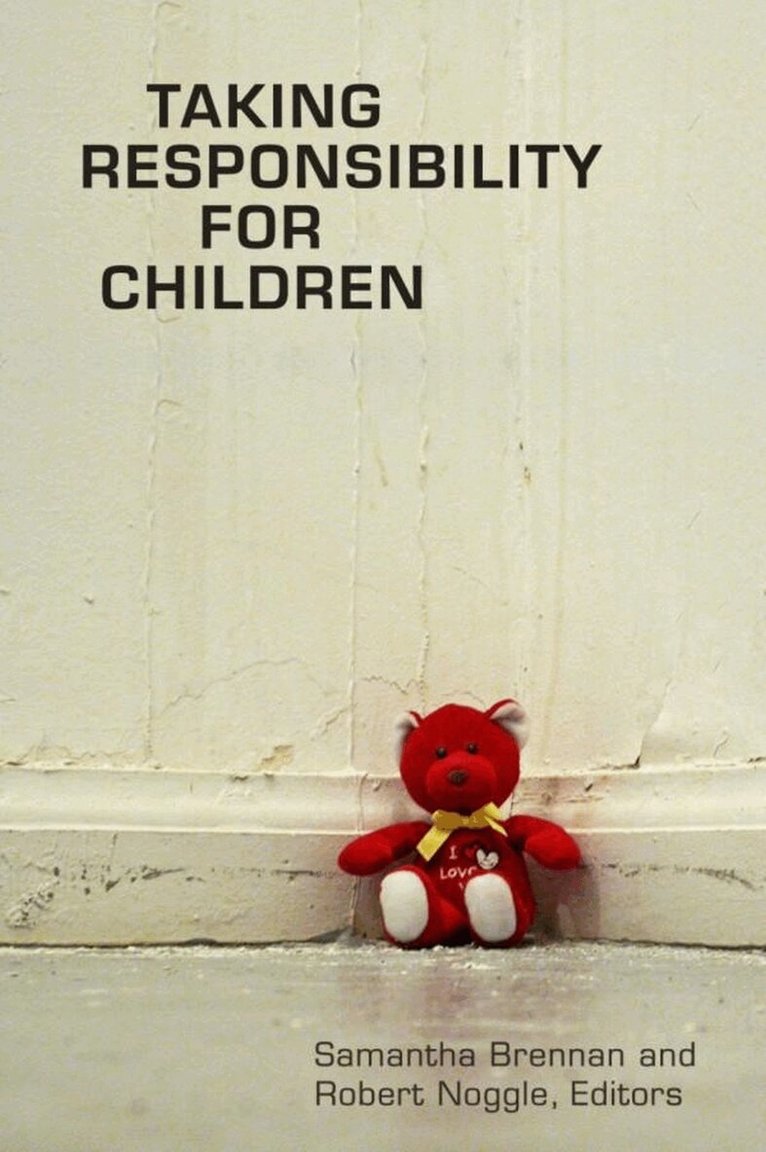
Taking Responsibility for Children
Av Samantha Brennan, Robert Noggle
Häftad, 2007
503 kr
Lägg i varukorg
What do we as a society, and as parents in particular, owe to our children? Each chapter in Taking Responsibility for Children offers part of an answer to that question. Although they vary in the approaches they take and the conclusions they draw, each contributor explores some aspect of the moral …