Robert W. Pearcy – författare
Visar alla böcker från författaren Robert W. Pearcy. Handla med fri frakt och snabb leverans.
2 produkter
2 produkter
Häftad, Engelska, 1990
1 082 kr
Skickas inom 10-15 vardagar
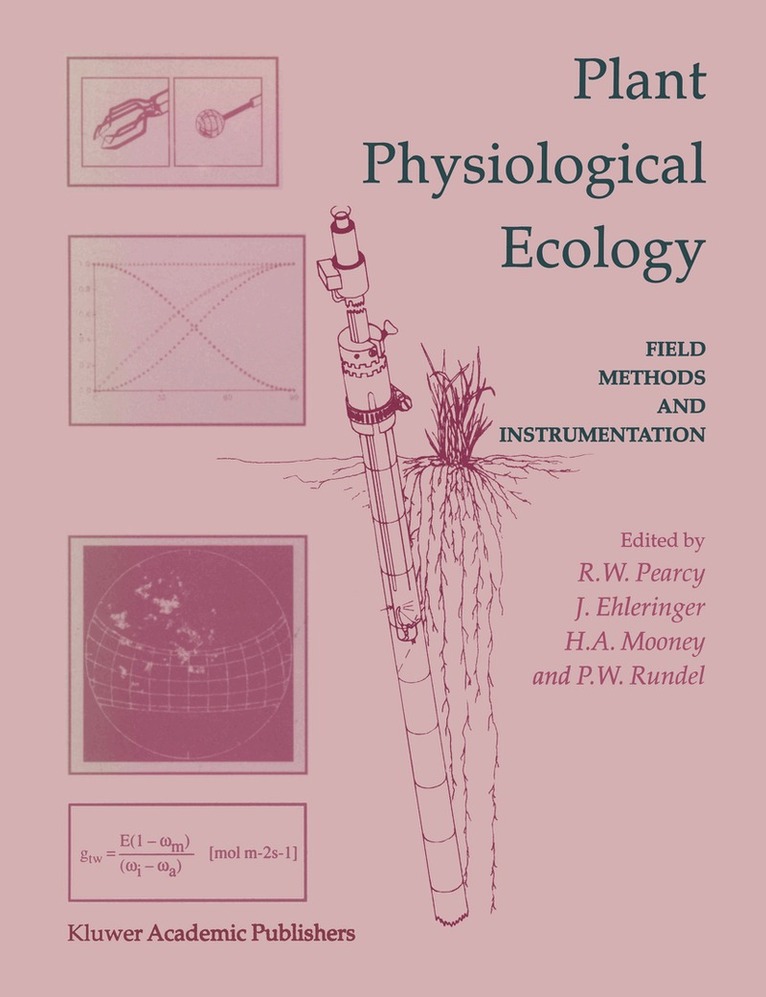
Providing the researcher with the methodology appropriate to field experiments and useful analytical techniques this book includes measurements both of the environment itself and of the physiological and morphological responses of plants to it. In some cases, for example stable isotope measurements, investigations are performed in the laboratory on samples collected under field conditions, while other chapters cover analytical techniques for use in the field. Many techniques reviewed are based on the central theme of the acquisition of resources such as carbon, light, water and nutrients, and the use of these resources for plant growth. Methods for estimating some of the costs of allocation of these resources to particular functions are also covered. A methodological framework is provided for extending from organ level measurements to whole plants on root system and canopy structure, and to ecosystem level processes.
E-bok
PDF, Engelska, 20121 367 kr
Läs direkt efter köp
capable of providing at least a relative measure of stomatal aperture were first used shortly thereafter (Darwin and Pertz, 1911). The Carnegie Institution of Washington''s Desert Research Laboratory in Tucson from 1905 to 1927 was the first effort by plant physiologists and ecologists to conduct team research on the water relations of desert plants. Measurements by Stocker in the North African deserts and Indonesia (Stocker, 1928, 1935) and by Lundegardh (1922) in forest understories were pioneering attempts to understand the environmental controls on photosynthesis in the field. While these early physiological ecologists were keen observers and often posed hypotheses still relevant today they were strongly limited by the methods and technologies available to them. Their measurements provided only rough approximations of the actual plant responses. The available laboratory equip ment was either unsuited or much more difficult to operate under field than laboratory conditions. Laboratory physiologists distrusted the results and ecologists were largely not persuaded of its relevance. Consequently, it was not until the 1950s and 1960s that physiological ecology began its current resurgence. While the reasons for this are complicated, the development and application of more sophisticated instruments such as the infrared gas analyzer played a major role. In addition, the development of micrometeorology led to new methods of characterizing the plant environments.