Robert Westman – författare
Visar alla böcker från författaren Robert Westman. Handla med fri frakt och snabb leverans.
5 produkter
5 produkter
Häftad, Svenska, 2024
461 kr
Skickas inom 5-8 vardagar
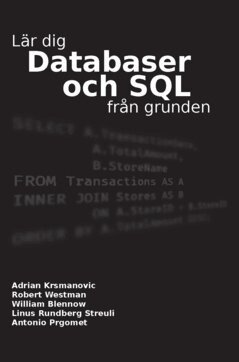
Databaser är en fundamental byggsten inom IT och har en central betydelse för att individer, företag, organisationer och samhällen ska kunna verka i modern tid. Denna bok lär ut databaser och SQL från grunden. Bokens primära fokus är på relationsdatabaser där kodexempel demonstreras i databashanterarna MySQL och Microsoft SQL Server (MSSQL). Boken har även ett kapitel som täcker icke-relationella databaser. Eftersom boken lär ut databaser och SQL från grunden innebär det att inga förkunskaper inom dessa områden förutsätts. Boken kan användas i kurser av olika slag inom exempelvis yrkeshögskolan, företag eller andra organisationer. Boken lämpar sig också för självstudier. Även de som har viss erfarenhet av databaser och SQL kan med fördel läsa boken för att få en gedigen grund. Smakprov för boken finns på dess hemsida: https://github.com/AntonioPrgomet/laer_dig_databaser_och_sql_1uppl
Inbunden, Engelska, 2011
840 kr
Skickas inom 5-8 vardagar
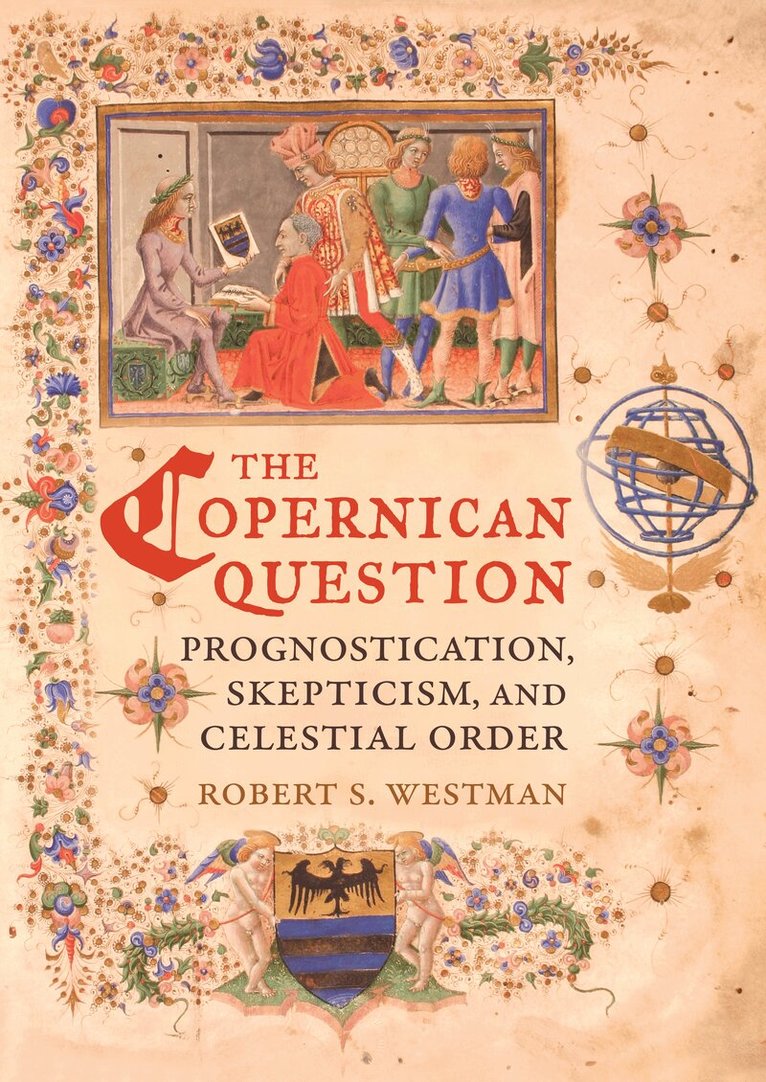
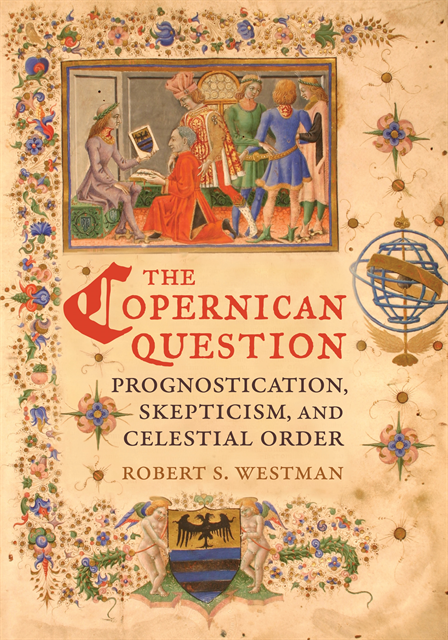
In 1543, Nicolaus Copernicus publicly defended his hypothesis that the earth is a planet and the sun a body resting near the center of a finite universe. But why did Copernicus make this bold proposal? And why did it matter? "The Copernican Question" reframes this pivotal moment in the history of science, centering the story on a conflict over the credibility of astrology that erupted in Italy just as Copernicus arrived in 1496. Copernicus engendered enormous resistance when he sought to protect astrology by reconstituting its astronomical foundations. Robert S. Westman shows that efforts to answer the astrological skeptics became a crucial unifying theme of the early modern scientific movement. His interpretation of this 'long sixteenth century', from the 1490s to the 1610s, offers a new framework for understanding the great transformations in natural philosophy in the century that followed.
E-bok
Engelska, 2023406 kr
Läs direkt efter köp
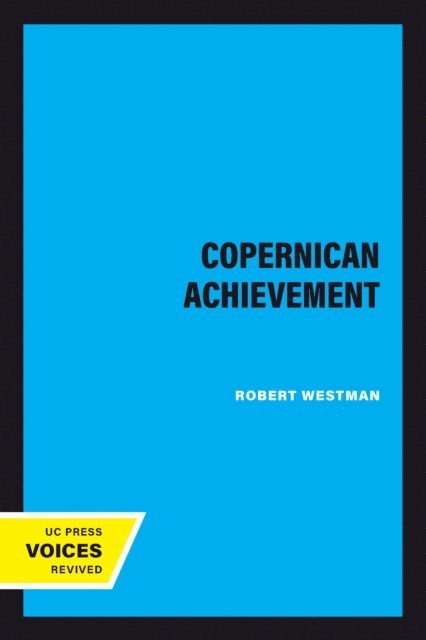
The Copernican Achievement captures the pivotal discussions and insights from the 1973 symposium at UCLA, commemorating the profound influence of Nicolaus Copernicus on science and thought. This volume presents papers from leading scholars in history and philosophy of science, including lively and incisive debates among renowned figures such as Imre Lakatos and Stephen Toulmin. Organized by John G. Burke, with contributions from scholars like Edward Rosen and Julian Schwinger, the conference delved into the transformative impact of Copernican theory and its enduring legacy. Supported by UCLA''s Department of History and College of Letters and Sciences, The Copernican Achievement showcases an engaging blend of historical perspective and philosophical rigor. With diverse and often controversial perspectives, this collection explores how Copernicus''s revolutionary ideas reshaped scientific paradigms and human understanding of the cosmos. Ideal for historians, philosophers, and students of science, this volume offers fresh insights into the Copernican revolution and its continued relevance to scientific inquiry. This title was originally published in 1975. The Copernican Achievement captures the pivotal discussions and insights from the 1973 symposium at UCLA, commemorating the profound influence of Nicolaus Copernicus on science and thought. This volume presents papers from leading scholars in history and
Häftad, Engelska, 2020
423 kr
Skickas inom 5-8 vardagar
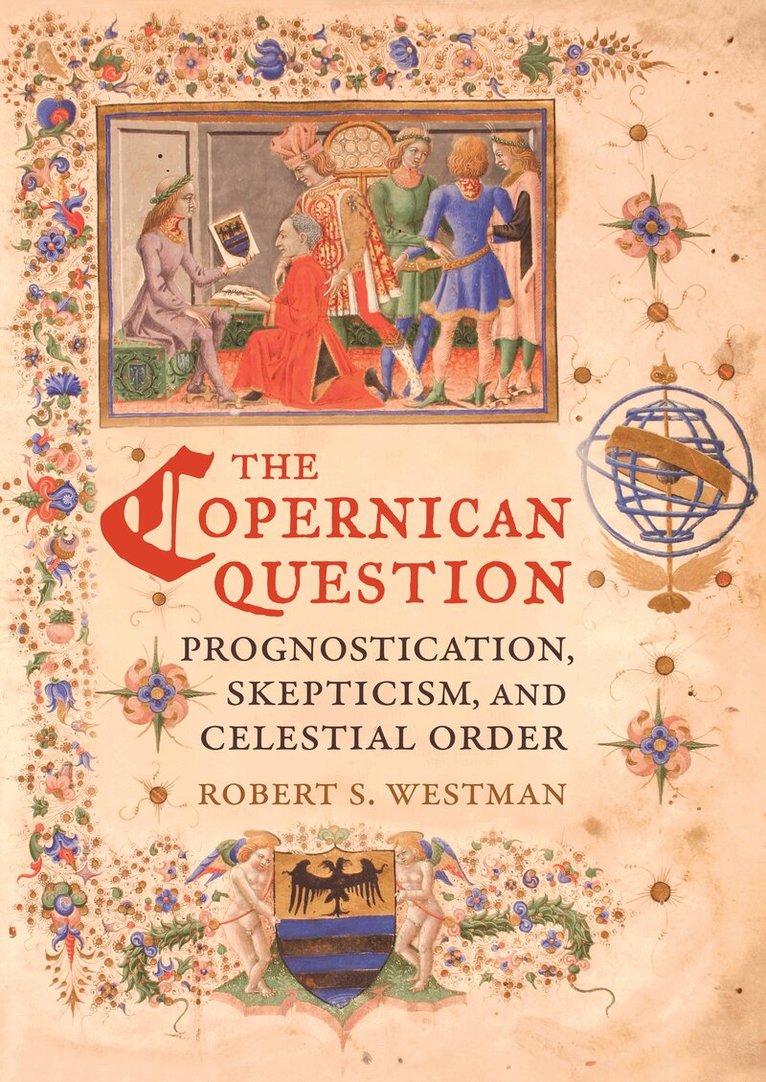
In 1543, Nicolaus Copernicus publicly defended his hypothesis that the earth is a planet and the sun a body resting near the center of a finite universe. But why did Copernicus make this bold proposal? And why did it matter? The Copernican Question reframes this pivotal moment in the history of science, centering the story on a conflict over the credibility of astrology that erupted in Italy just as Copernicus arrived in 1496. Copernicus engendered enormous resistance when he sought to protect astrology by reconstituting its astronomical foundations. Robert S. Westman shows that efforts to answer the astrological skeptics became a crucial unifying theme of the early modern scientific movement. His interpretation of this "long sixteenth century," from the 1490s to the 1610s, offers a new framework for understanding the great transformations in natural philosophy in the century that followed.
E-bok
Engelska, 2011728 kr
Läs direkt efter köp
In 1543, Nicolaus Copernicus publicly defended his hypothesis that the earth is a planet and the sun a body resting near the center of a finite universe. But why did Copernicus make this bold proposal? And why did it matter? The Copernican Question reframes this pivotal moment in the history of science, centering the story on a conflict over the credibility of astrology that erupted in Italy just as Copernicus arrived in 1496. Copernicus engendered enormous resistance when he sought to protect astrology by reconstituting its astronomical foundations. Robert S. Westman shows that efforts to answer the astrological skeptics became a crucial unifying theme of the early modern scientific movement. His interpretation of this "long sixteenth century," from the 1490s to the 1610s, offers a new framework for understanding the great transformations in natural philosophy in the century that followed.