Roberto Luzzi – författare
Visar alla böcker från författaren Roberto Luzzi. Handla med fri frakt och snabb leverans.
6 produkter
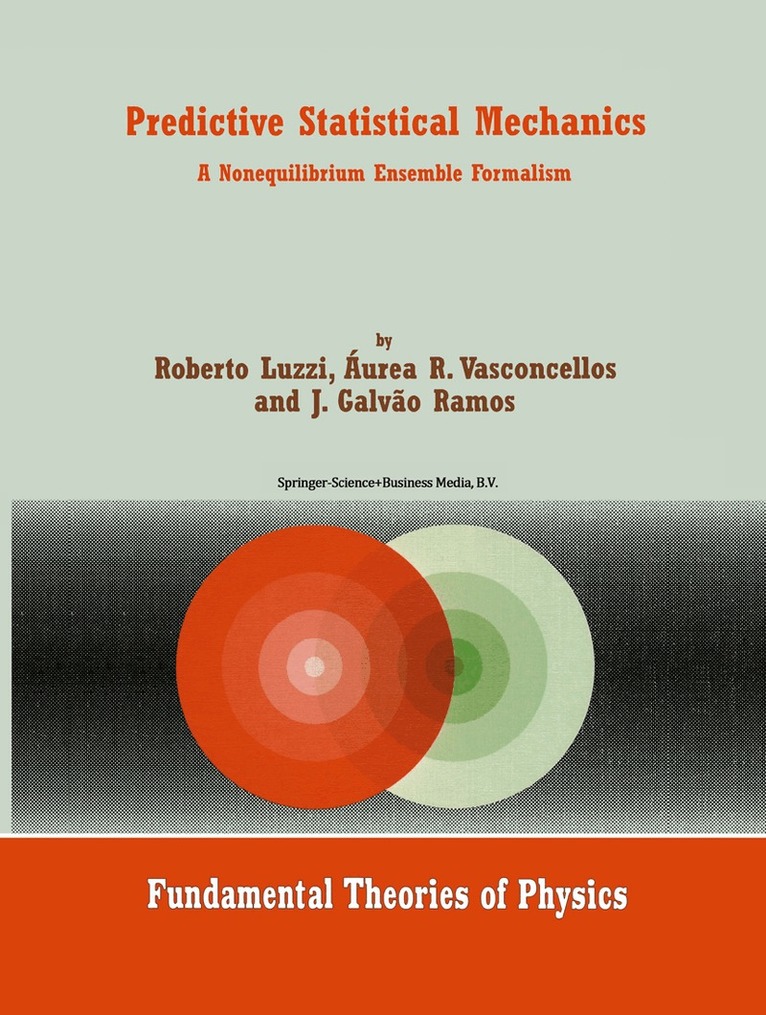
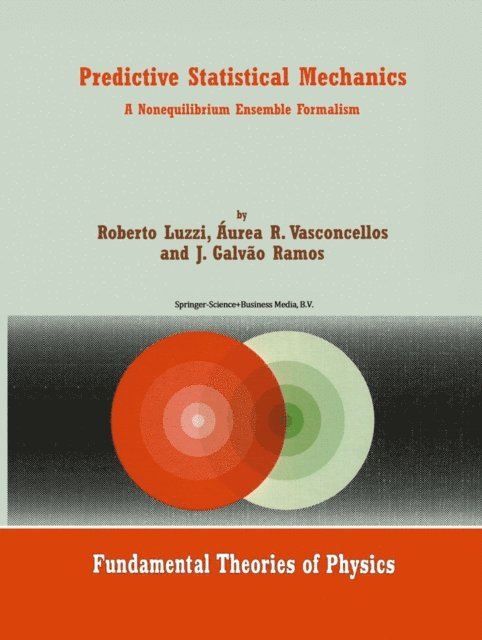
Predictive Statistical Mechanics
A Nonequilibrium Ensemble Formalism
Av Roberto Luzzi, Áurea R. Vasconcellos m. fl.
Inbunden, 2002
1096 kr
Lägg i varukorg
Chapters 1 to 5 include a description of the philosophy, foundations, and construction (methodology) of the formalism, including the derivation of a nonequilibrium grand-canonical ensemble for far-from-equilibrium systems as well as the derivation of a quantum nonlinear kinetic theory and a …
Statistical Foundations of Irreversible Thermodynamics
Av J. Galvao Ramos, Aurea R. Vasconcellos m. fl.
E-bok, 2013
571 kr
Lägg i varukorg
Thermodynamics is considered to be an offshoot of the Industrial Revo lution that began in England in the second half of the 18th Century and from there spread to other parts of the world. The word thermodynamics is derived from the Greek therme (meaning heat) and dynamis (meaning force). As well …
Statistical Foundations of Irreversible Thermodynamics
Av Roberto Luzzi, Aurea R. Vasconcellos m. fl.
Häftad, 2000
443 kr
Lägg i varukorg
Thermodynamics is considered to be an offshoot of the Industrial Revo lution that began in England in the second half of the 18th Century and from there spread to other parts of the world. The word thermodynamics is derived from the Greek therme (meaning heat) and dynamis (meaning force). As well …
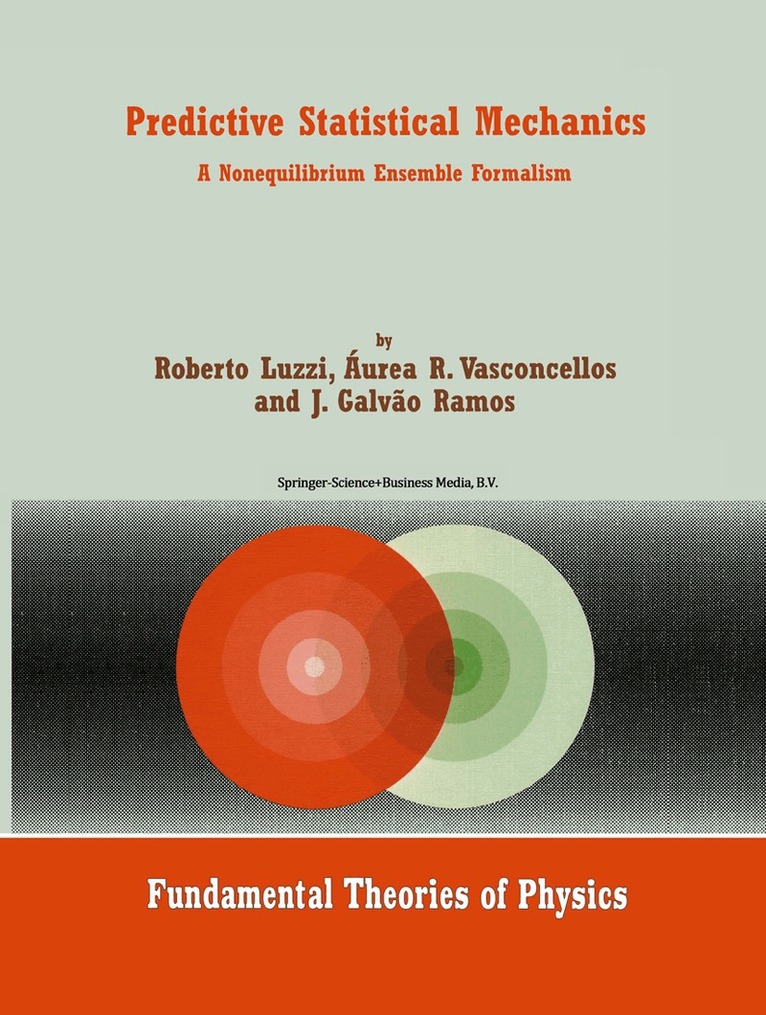
Predictive Statistical Mechanics
A Nonequilibrium Ensemble Formalism
Av Roberto Luzzi, Áurea R. Vasconcellos m. fl.
Häftad, 2010
1096 kr
Lägg i varukorg
Chapters 1 to 5 include a description of the philosophy, foundations, and construction (methodology) of the formalism, including the derivation of a nonequilibrium grand-canonical ensemble for far-from-equilibrium systems as well as the derivation of a quantum nonlinear kinetic theory and a …
Predictive Statistical Mechanics
A Nonequilibrium Ensemble Formalism
Av J. Galvao Ramos, Aurea R. Vasconcellos m. fl.
E-bok, 2013
1413 kr
Lägg i varukorg
Chapters 1 to 5 include a description of the philosophy, foundations, and construction (methodology) of the formalism, including the derivation of a nonequilibrium grand-canonical ensemble for far-from-equilibrium systems as well as the derivation of a quantum nonlinear kinetic theory and a …
Semiconductor Non-Equilibrium Statistics
Av Clóves Gonçalves Rodrigues, Áurea Rosas Vasconcellos m. fl.
Inbunden, 2021
1665 kr
Tillfälligt slut