Robin Adamson – författare
Visar alla böcker från författaren Robin Adamson. Handla med fri frakt och snabb leverans.
8 produkter
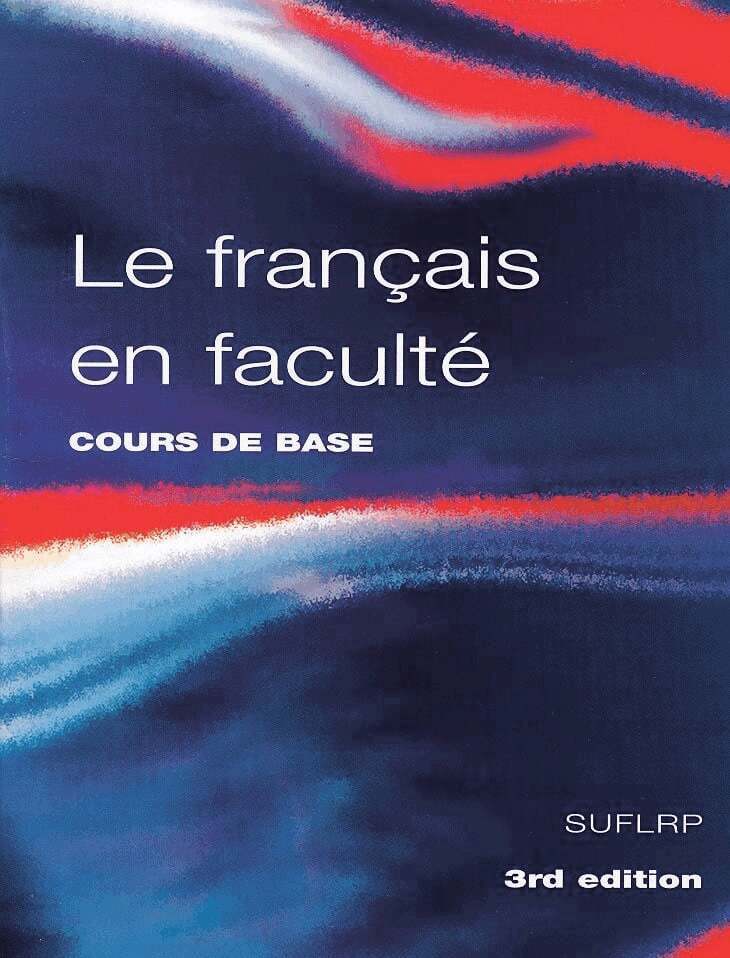
Le Francais en Faculte
Av Robin Adamson, Geoff Hare m. fl.
Häftad, 1999
652 kr
Lägg i varukorg
Substantially revised and updated, this is the third edition of a highly popular book which has been helping students for decades. It provides a sound base of linguistic competence upon which students can build with confidence. Comprises twelve thematic modules each including a relevant and …
Le Francais en Faculte
Av Richard Wakely, Anthony Lodge m. fl.
E-bok, 2014
745 kr
Lägg i varukorg
Substantially revised and updated, this is the third edition of a highly popular book which has been helping students for decades. It provides a sound base of linguistic competence upon which students can build with confidence. Comprises twelve thematic modules each including a relevant and …
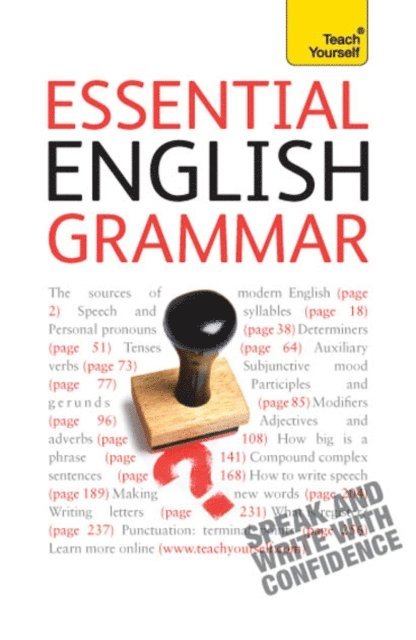
Essential French Grammar: Teach Yourself
Av Robin Adamson, Brigitte Edelston
E-bok, 2010
45 kr
Lägg i varukorg
Essential French Grammar will help you get more out of your study of French. Essential French Grammar is an up-to-date introduction to French grammar. You don''t need to know a lot about grammar before you start. Everything is explained simply and there are lots of examples to illustrate each …
Le Francais en Faculte
Av Richard Wakely, Anthony Lodge m. fl.
E-bok, 2014
750 kr
Lägg i varukorg
Substantially revised and updated, this is the third edition of a highly popular book which has been helping students for decades. It provides a sound base of linguistic competence upon which students can build with confidence. Comprises twelve thematic modules each including a relevant and …
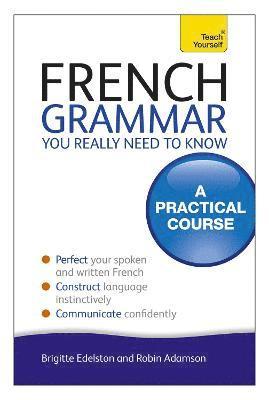
French Grammar You Really Need To Know: Teach Yourself
Häftad, 2012
184 kr
Lägg i varukorg
Comprehensive and clear explanations of key grammar patterns and structures are reinforced and contextualized through authentic materials. You will not only learn how to construct grammar correctly, but when and where to use it so you sound natural and appropriate. French Grammar You Really Need to …
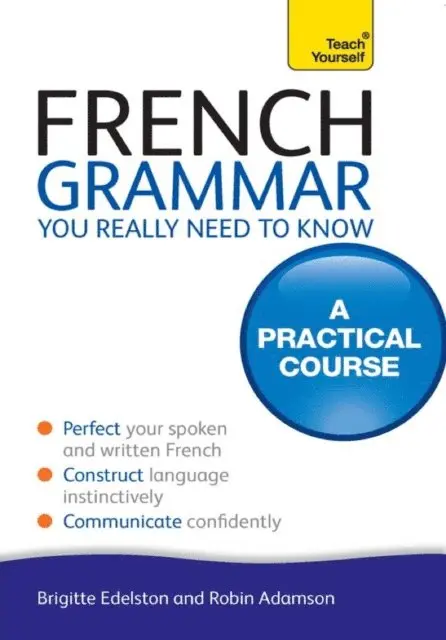
French Grammar You Really Need To Know: Teach Yourself
E-bok, 2012
45 kr
Lägg i varukorg
Comprehensive and clear explanations of key grammar patterns and structures are reinforced and contextualized through authentic materials. You will not only learn how to construct grammar correctly, but when and where to use it so you sound natural and appropriate. French Grammar You Really Need to …
Defence of French
A Language in Crisis?
Inbunden, 2007
1210 kr
Lägg i varukorg
Why do the French defend their language so passionately? Can a world language like French really be in crisis? By tracing the long history of language defence in France and by examining the multiplicity of official and non-official defensive activities and attitudes, the book aims to answer these …
Le Francais en Faculte
Av Robin Adamson, Geoff Hare m. fl.
Inbunden, 2016
2548 kr
Tillfälligt slut
Substantially revised and updated, this is the third edition of a highly popular book which has been helping students for decades. It provides a sound base of linguistic competence upon which students can build with confidence. Comprises twelve thematic modules each including a relevant and …